
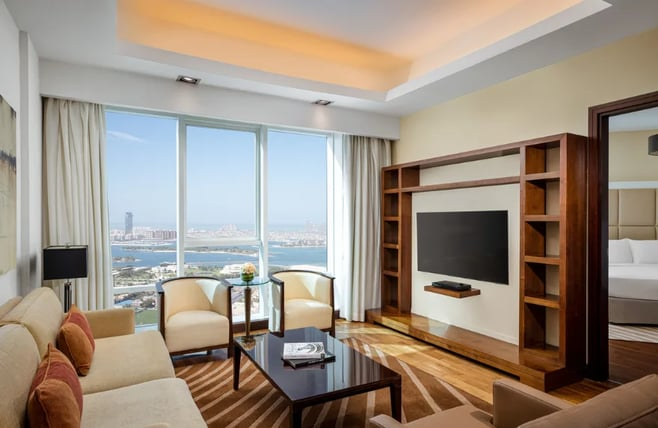
Dubai is one of the most competitive short stay markets in the region. Guests expect hotel-level comfort, but owners still need the unit to run efficiently, especially with heavy AC usage and high turnover. That is where energy planning becomes a real operational advantage, not a nice extra.
In this guide, we will look at simple, high impact changes that reduce utility surprises, lower maintenance issues, and help guests leave better reviews. If you are comparing operators or setting up your unit for consistent performance, this also ties directly into holiday home management in Dubai.
Why energy planning matters more in short stays
In long stays, usage patterns stabilize. In short stays, usage spikes and changes every few days.
Common examples:
- AC left running all day while guests are out.
- Hot water systems pushed harder with frequent showers and quick turnovers.
- Lights, appliances, and chargers running constantly.
- Higher laundry loads and frequent cleaning cycles.
Even when nightly revenue is healthy, unmanaged consumption can quietly cut margins.
What guests actually notice (and review)
Guests rarely praise “low electricity use.” They praise the outcomes that come from smart setup.
What shows up in reviews:
- AC cools quickly and stays stable, even in summer.
- Hot water is reliable.
- The apartment is bright and comfortable.
- WiFi is stable and the workspace works.
- The unit feels well maintained, no strange smells, no dampness, no weak water pressure.
These are comfort signals. Most of them connect to energy systems and maintenance discipline.
Step 1: Fix the AC experience first
In Dubai, AC is the product. Everything else is second.
Owner checklist:
- Service the AC on a fixed schedule, not only when it breaks.
- Clean filters and check drainage to avoid leaks and odor.
- Confirm thermostats are accurate.
- Keep a simple temperature guide in the unit so guests do not fight the controls.
If you want to reduce runaway usage, consider smart controls, but do it carefully. Guests dislike anything that feels like comfort is being restricted. The goal is stable comfort with smarter defaults.
Step 2: Upgrade lighting to reduce heat and improve photos
Lighting impacts three things at once: energy load, how the unit feels, and how your listing photos look.
Quick wins:
- Switch to LED everywhere.
- Use warm neutral tones in living and bedroom areas.
- Add task lighting near the sofa and workspace.
- Replace flickering or mismatched bulbs immediately.
This is one of the lowest cost upgrades that improves guest satisfaction and listing quality.
Step 3: Hot water reliability, avoid complaints and emergency calls
Hot water issues create the fastest negative reviews.
Owner checklist:
- Confirm the water heater is sized correctly for the unit type.
- Test temperature stability during turnover checks.
- For frequent issues, upgrade the thermostat or replace aging units early.
- Add basic instructions so guests do not turn off the wrong switch.
A stable hot water setup reduces support calls and keeps your ratings safer.
Step 4: Smart plugs and monitoring, reduce surprises
Short stays create unpredictable consumption. Monitoring gives you control without creating friction for guests.
Practical approach:
- Monitor heavy loads: AC, water heater, and major appliances.
- Track spikes and investigate patterns.
- Use alerts for unusual draw, it often signals a malfunction.
This is also useful for remote owners who want confidence the unit is running normally between stays.
Step 5: Where solar fits for Dubai holiday homes
For villas, townhouses, and some low rise properties, rooftop solar may be a real option depending on building permissions and local rules. For high rise apartments, it is usually harder to implement directly, so efficiency upgrades often deliver the fastest wins.
A safe way to position solar in a holiday home plan:
- Start with energy efficiency improvements first.
- If the property type supports it, evaluate solar as a longer-term operating cost reducer.
- Always confirm feasibility and approvals based on your specific building and local authority requirements.
The goal is not to chase a trend. It is to reduce operating costs while improving guest comfort and unit reliability.
Step 6: Tie energy setup into operations, not one time upgrades
Most owners do one big setup and then stop. The best operators treat the unit like a system.
A simple operating rhythm:
- Turnover checklist includes AC performance, hot water check, and quick lighting scan.
- Monthly includes filter checks, drainage checks, and basic appliance tests.
- Quarterly includes deeper inspection and preventive maintenance.
- Seasonal includes rate and demand planning plus comfort preparation.
This is where strong short stay operators stand out. It is also why many owners choose a managed approach rather than self managing.
What to look for in a holiday home operator
If you are selecting a holiday home management partner, ask how they handle energy-related issues operationally, not only as repairs.
Good questions:
- What is the maintenance schedule for AC, and who signs it off?
- How do you detect issues early?
- What is your process for guest comfort complaints?
- How do you prevent repeat failures, not just fix once?
- Do you provide reporting that helps owners spot cost issues?
A strong operator protects reviews and reduces expensive emergency fixes.
Closing
The easiest way to raise performance in Dubai short stays is to treat comfort as a system, then manage that system proactively. Energy planning, preventive maintenance, and smart monitoring are not add-ons. They are part of what keeps bookings stable and reviews strong.
If you are building a unit plan now, or comparing operators, make sure your checklist includes comfort systems, not only furniture and photos.


