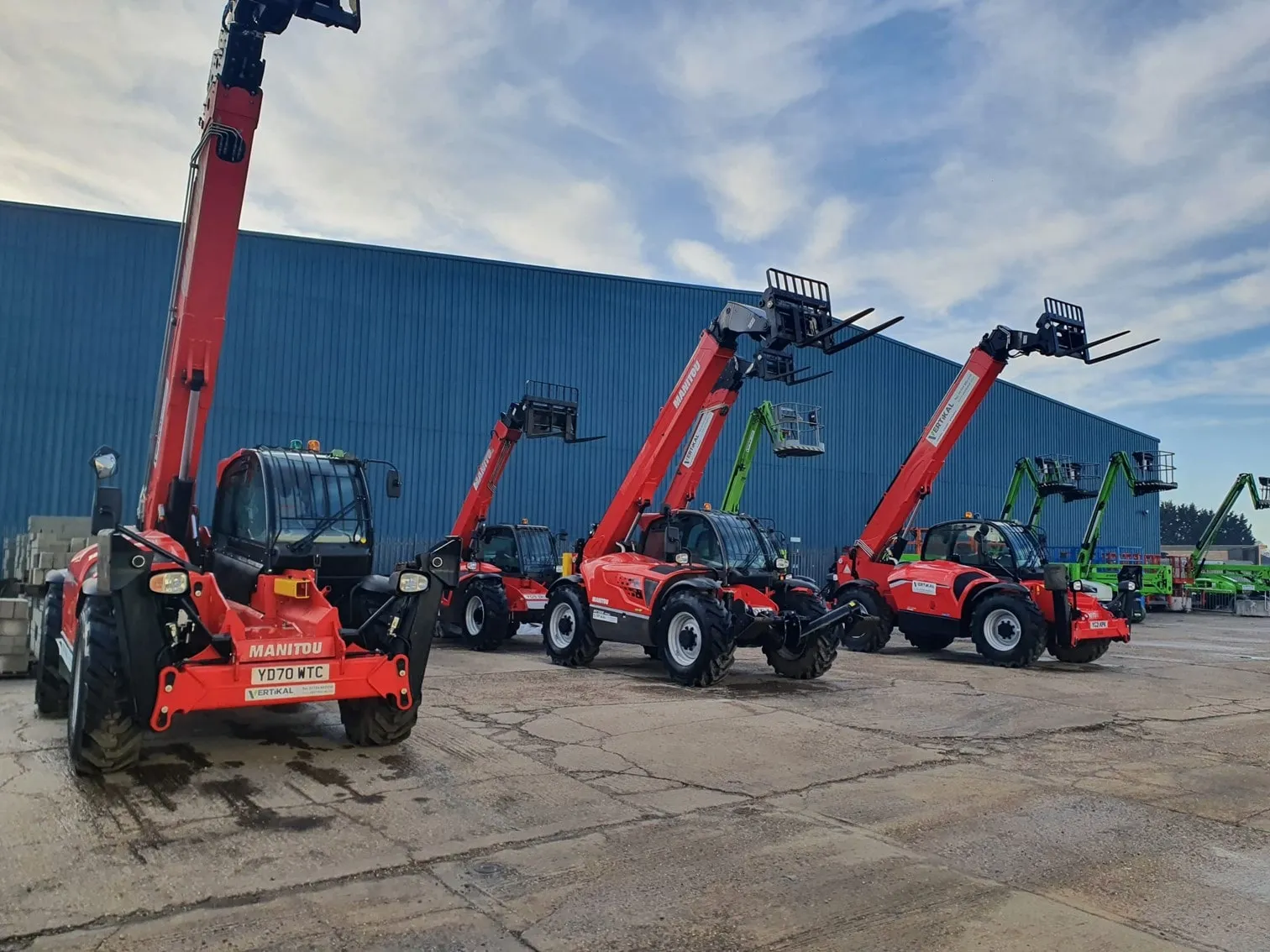
Telehandlers are versatile machines used across construction, agriculture, and industrial sites to lift and move heavy loads. Their performance, however, is directly influenced by surrounding weather conditions. Changes in temperature, moisture, wind, and ground conditions can affect stability, lifting capacity, and overall safety. Operators who understand weather-related impacts can prevent accidents and equipment damage. Weather awareness also helps reduce downtime and maintenance costs. Proper planning ensures telehandlers remain efficient in all environments.
Impact of Rain and Wet Conditions on Telehandlers
Rain creates slippery and muddy surfaces, reducing traction and increasing the risk of skidding. Wet ground can cause telehandlers to sink or lose balance, especially when lifting heavy loads. Braking and steering response may become slower, affecting maneuverability. Water exposure can lead to corrosion of metal parts and electrical components. Load handling becomes less predictable due to unstable footing. Operators must reduce speed and reassess load limits in wet conditions.
Effects of Extreme Heat on Telehandler Performance
High temperatures can cause telehandler engines to overheat, reducing efficiency and reliability. Hydraulic systems may lose pressure as fluids thin under excessive heat. Tires, seals, and hoses experience faster wear and potential failure. Operators are also more prone to fatigue, increasing safety risks. Cooling systems must work harder, raising fuel consumption. Regular checks and scheduled breaks are essential during hot weather operations.
Cold Weather Challenges for Telehandlers
Cold weather makes starting engines more difficult due to reduced battery efficiency. Hydraulic fluids thicken in low temperatures, slowing boom movement and control response. Metal components may become brittle, increasing wear during operation. Visibility can be reduced due to fog, frost, or snow buildup. Cold conditions also affect tire grip on frozen surfaces. Using winter-grade fluids and warming the machine before use is crucial.
Wind Conditions and Load Stability
Strong winds significantly impact telehandler stability, especially when lifting loads at height. Suspended loads can sway, increasing the risk of tipping or collision. Wind pressure on the boom reduces precise control and positioning. Lightweight or wide loads are particularly dangerous in gusty conditions. Operators must strictly follow manufacturer wind limits. Operations should stop immediately if wind speeds exceed safe thresholds.
Dust, Sand, and Dry Weather Effects
Dry and dusty environments can clog air filters, restricting airflow to the engine. Dust accelerates wear on moving parts such as joints and hydraulic seals. Reduced visibility from airborne particles increases accident risk. Sand can infiltrate sensitive components, leading to premature failure. Engines may overheat due to reduced cooling efficiency. Frequent cleaning and filter replacement are essential in dusty conditions.
Snow and Ice Impact on Telehandler Operations
Snow and ice severely reduce traction, making telehandlers harder to control. Icy surfaces increase stopping distances and tipping risks. Hydraulic lines and controls may freeze, affecting responsiveness. Snow accumulation adds extra weight and reduces visibility. Cold weather also affects operator comfort and focus. Specialized tires and de-icing procedures improve safety in winter environments.
Operator Safety in Different Weather Conditions
Weather conditions directly influence operator safety and awareness. Rain, fog, or dust can reduce visibility, increasing collision risks. Extreme temperatures cause physical stress, reducing reaction time. Proper training helps operators recognize weather-related hazards early. Wearing appropriate PPE improves comfort and safety. Adjusting work schedules based on weather forecasts is a smart preventive strategy.
Maintenance Practices for Weather-Related Wear
Weather accelerates wear on telehandler components if maintenance is neglected. Regular inspections help identify rust, leaks, or fluid issues early. Lubrication protects joints and moving parts from moisture and dust damage. Seasonal maintenance ensures the correct fluids are used for temperature extremes. Cleaning after harsh weather prevents long-term corrosion. Preventive care extends equipment lifespan and reliability.
Best Practices for Operating Telehandlers in All Weather
Operators should always assess weather conditions before starting work. Reducing load weight improves stability in adverse environments. Maintaining slower speeds allows better control on slippery or uneven ground. Monitoring wind speeds is essential during elevated lifts. Following manufacturer guidelines ensures safe operation limits are respected. Knowing when to pause work is key to preventing accidents.
Why Choose FERAQuip
FERAQuip provides high-quality telehandlers designed to perform reliably in diverse weather conditions. Their equipment features robust engineering, advanced safety systems, and durable components. FERAQuip emphasizes operator training to ensure safe machine handling in challenging environments. Regular maintenance support helps reduce downtime caused by weather-related wear. Their machines are tested for stability, efficiency, and durability. Choosing FERAQuip means dependable performance in any climate.
Built for All-Weather Performance
FERAQuip telehandlers are engineered to operate reliably in extreme weather conditions, including heat, rain, wind, and cold. High-grade materials and weather-resistant components protect critical systems from corrosion and moisture damage. Advanced cooling and filtration systems help machines perform consistently in dusty or humid environments. This all-weather capability ensures uninterrupted operations on construction, industrial, and agricultural sites. Businesses can rely on FERAQuip equipment regardless of climate challenges. Consistent performance reduces project delays caused by environmental factors.
Robust Engineering and Durable Design
Every FERAQuip telehandler is built with heavy-duty frames, reinforced booms, and premium hydraulic systems. These machines are designed to handle demanding loads while maintaining structural stability. Durable components minimize wear and tear, even under continuous use in harsh conditions. Precision engineering ensures smooth lifting, placement, and maneuvering. This robust construction extends equipment lifespan and lowers replacement costs. FERAQuip focuses on strength without compromising operational efficiency.
Advanced Safety Systems for Harsh Environments
Safety is a top priority at FERAQuip, especially when operating in challenging weather conditions. Telehandlers are equipped with stability control systems, load monitoring, and emergency shut-off features. Enhanced visibility designs and ergonomic operator cabins improve control and awareness. Anti-slip surfaces and secure access points reduce accident risks during wet or uneven conditions. These safety features protect both operators and job sites. FERAQuip ensures compliance with international safety standards.
Operator Training and Skill Development
FERAQuip emphasizes comprehensive operator training to ensure safe and efficient machine handling. Training programs focus on proper telehandler operation in adverse weather and complex site conditions. Operators learn best practices for load management, stability control, and hazard prevention. Well-trained operators reduce the risk of accidents and equipment misuse. This approach improves productivity and extends machine life. FERAQuip supports clients by promoting responsible and confident equipment operation.
Reliable Maintenance and Support Services
Regular maintenance is essential for equipment exposed to weather-related stress, and FERAQuip provides strong after-sales support. Scheduled servicing helps prevent breakdowns caused by moisture, temperature fluctuations, or dust accumulation. Quick access to spare parts minimizes downtime and repair delays. Expert technicians ensure machines remain in optimal working condition. Preventive maintenance improves reliability and operational efficiency. FERAQuip’s support services help businesses maintain consistent performance year-round.
Tested for Stability, Efficiency, and Longevity
FERAQuip telehandlers undergo rigorous testing to ensure stability and balance under varying loads and weather conditions. Performance testing focuses on fuel efficiency, lifting precision, and long-term durability. These tests ensure machines meet demanding industry requirements. Proven reliability helps reduce operational risks on site. Customers gain confidence in equipment performance before deployment. FERAQuip delivers machines that perform consistently over time.
Dependable Performance Across Industries
Choosing FERAQuip means investing in telehandlers that adapt to diverse industries and environments. From construction sites to industrial warehouses, their machines deliver dependable results. Weather-resistant design and safety-focused features ensure continuous productivity. Reduced downtime and lower maintenance costs improve overall project efficiency. FERAQuip supports long-term operational success. It’s a trusted choice for businesses seeking reliability in any climate.
Conclusion
Weather conditions play a critical role in telehandler performance and safety. Rain, heat, cold, wind, and dust each present unique operational challenges. Understanding these effects allows operators to adjust techniques and prevent hazards. Proper maintenance and training further reduce weather-related risks. Proactive planning improves efficiency and equipment longevity. Safe, weather-aware operation ensures consistent productivity year-round.
FAQs
Can telehandlers operate safely in rain?
Yes, but reduced traction requires slower speeds and lighter loads.
How does wind affect telehandler lifting capacity?
Strong winds reduce stability and increase the risk of load sway.
What fluids should be used in cold weather?
Winter-grade hydraulic and engine fluids are recommended.
Does dust damage telehandler engines?
Yes, dust clogs filters and accelerates component wear.
When should telehandler operations stop due to weather?
Operations should stop during extreme wind, ice, or unsafe visibility.