
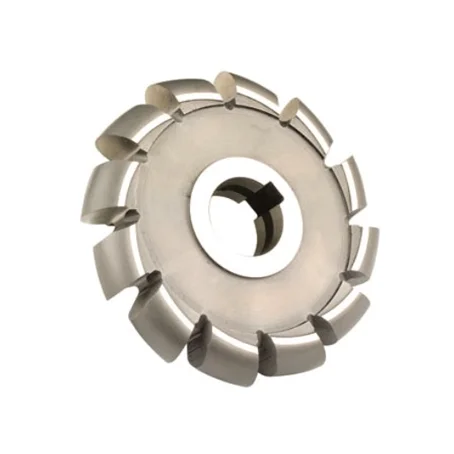
In modern manufacturing, efficiency and precision are essential for maintaining productivity and meeting tight production deadlines. Machining operations, especially milling, play a crucial role in producing high-quality components for industries such as automotive, aerospace, heavy engineering, and industrial equipment. However, machining errors and unplanned downtime can significantly impact production output, increase costs, and affect product quality.
One of the most effective ways to minimize these challenges is by using high-quality milling cutters. These cutting tools directly influence machining accuracy, tool life, and process stability. When selected and maintained properly, they can greatly reduce errors while ensuring smooth and uninterrupted operations.
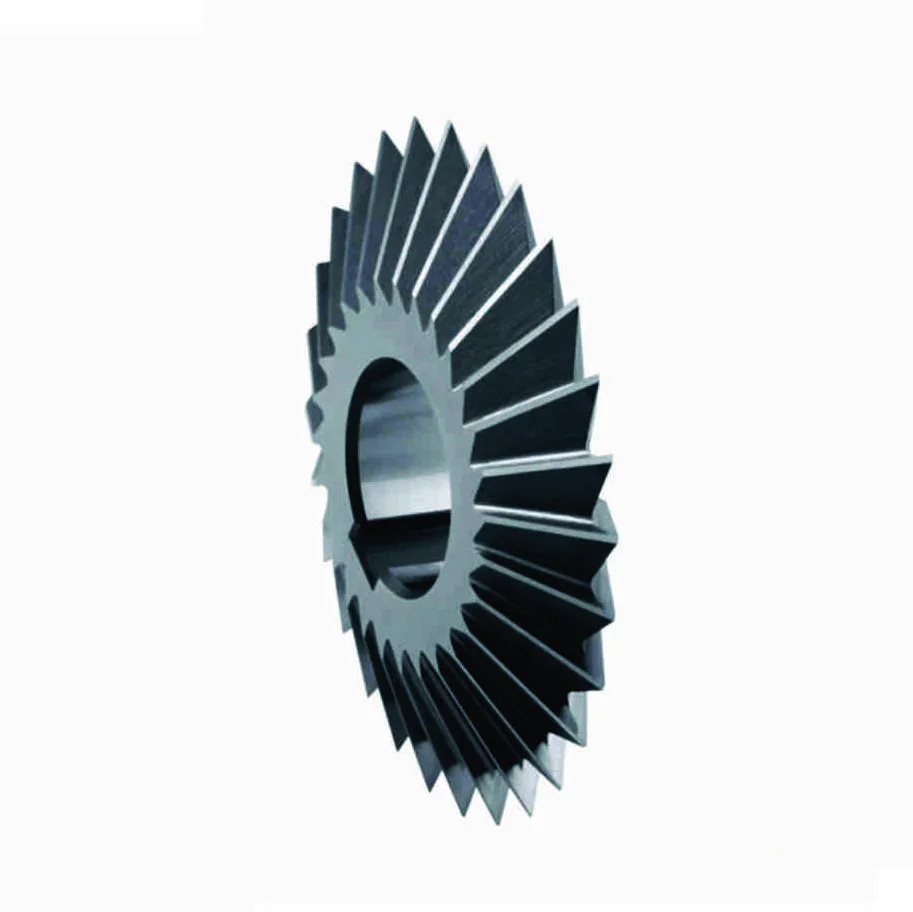
Understanding Machining Errors and Downtime
Machining errors can occur due to several factors, including tool wear, incorrect cutting parameters, poor tool geometry, or machine instability. Common issues include:
- Dimensional inaccuracies
- Poor surface finish
- Tool breakage
- Inconsistent part quality
Downtime, on the other hand, refers to the period when machines are not operational. This can happen due to tool failure, frequent tool changes, maintenance requirements, or unexpected breakdowns.
Both machining errors and downtime can lead to increased production costs, delayed deliveries, and reduced customer satisfaction. Addressing these issues requires a combination of proper tooling, machine setup, and process optimization.
The Role of Milling Cutters in Reducing Errors
Cutting tools are at the core of any machining operation. The design, material, and quality of milling cutters determine how effectively material is removed from the workpiece.
High-quality milling cutters are manufactured with precision-ground edges and optimized geometries that ensure accurate cutting performance. This helps maintain tight tolerances and consistent part dimensions.
When the cutting edges are sharp and properly aligned, the tool produces clean cuts, reducing the likelihood of dimensional errors and surface defects. This level of precision is essential for industries where components must meet strict specifications.
Improved Tool Stability and Reduced Vibration
One of the common causes of machining errors is vibration during the cutting process. Vibration can lead to poor surface finish, tool wear, and inaccuracies in the final product.
Advanced milling cutters are designed to provide better stability during machining. Their optimized geometry reduces cutting forces and minimizes vibration, resulting in smoother cutting operations.
Stable cutting conditions not only improve part quality but also extend tool life and reduce the risk of tool breakage.
Longer Tool Life and Fewer Interruptions
Tool wear is inevitable in machining processes, but high-quality cutting tools are designed to last longer under demanding conditions. Durable materials such as high-speed steel and carbide provide excellent resistance to wear and heat.
Longer tool life means fewer tool changes, which directly reduces machine downtime. Frequent tool replacement interrupts production and increases setup time, affecting overall efficiency.
By using reliable milling cutters, manufacturers can maintain continuous production cycles and minimize unnecessary stoppages.
Better Surface Finish and Reduced Rework
Surface finish is a critical factor in many machining applications. Poor surface quality often requires additional finishing processes such as grinding or polishing, which increases production time and cost.
High-quality milling cutters produce smoother surfaces due to their sharp cutting edges and precise geometry. This reduces the need for secondary operations and helps maintain consistent product quality.
Reducing rework not only saves time but also minimizes material waste, contributing to overall cost efficiency.
Optimized Cutting Performance
Efficient material removal is essential for maintaining productivity in machining operations. High-performance milling cutters are designed to operate at optimal cutting speeds and feed rates without compromising accuracy.
Advanced tool coatings reduce friction and heat generation, allowing tools to perform efficiently even under high-speed machining conditions. This ensures stable cutting performance and reduces the risk of errors caused by overheating or tool degradation.
Optimized cutting performance helps manufacturers achieve faster production cycles while maintaining high-quality standards.
Compatibility with Modern CNC Machines
Modern manufacturing relies heavily on CNC machines and automated systems. These machines require cutting tools that can deliver consistent performance under precise control.
High-quality milling cutters are designed to work seamlessly with CNC equipment. Their reliable performance supports automated machining processes, reducing the likelihood of human error and improving overall efficiency.
Consistent tool performance ensures that CNC programs run smoothly without interruptions, further minimizing downtime.
Preventing Tool Breakage and Machine Damage
Tool breakage is one of the most common causes of downtime in machining operations. Broken tools can damage the workpiece, disrupt production, and even cause harm to the machine.
High-quality milling cutters are engineered to withstand cutting forces and thermal stress, reducing the risk of sudden failure. Their robust design ensures safe and reliable operation, even in demanding machining environments.
Preventing tool breakage not only protects the machine but also ensures uninterrupted production.
Cost Savings Through Reduced Errors and Downtime
Reducing machining errors and downtime has a direct impact on production costs. When manufacturers use reliable cutting tools, they can achieve higher efficiency and lower operational expenses.
Key cost-saving benefits include:
- Reduced scrap and rework
- Lower maintenance costs
- Fewer tool replacements
- Increased machine utilization
Although premium cutting tools may require a higher initial investment, their long-term benefits make them a cost-effective choice for manufacturers.
Best Practices for Maximizing Tool Performance
To fully benefit from high-quality milling cutters, manufacturers should follow best practices such as:
- Selecting the right tool for the specific application
- Using proper cutting speeds and feed rates
- Ensuring correct tool alignment and setup
- Regularly inspecting tools for wear
- Maintaining proper coolant application
These practices help maintain tool performance and ensure consistent machining results.
Conclusion
Machining errors and downtime are major challenges that can affect productivity, quality, and profitability in manufacturing operations. The choice of cutting tools plays a critical role in addressing these issues.
High-quality milling cutters help reduce errors by providing accurate cutting performance, improved stability, and better surface finish. Their durability and efficiency minimize downtime by reducing tool wear, preventing breakage, and supporting continuous production.
By investing in reliable cutting tools and following proper machining practices, manufacturers can enhance productivity, reduce operational costs, and maintain high standards of quality in their production processes.
