
So you’ve been thinking about going small. Not just decluttering a closet or tossing out old stuff, but actually downsizing your whole life. It sounds freeing. And yeah, it can be. But there’s a catch most people don’t talk about enough.
Finding the right tiny house for sale isn’t just about looks or price. It’s about not waking up six months later thinking… “what did I just do?”
That regret hits harder in a tiny space. There’s nowhere to hide from a bad decision when your entire home is 200 square feet.
Let’s slow it down a bit and talk through how to actually get it right.
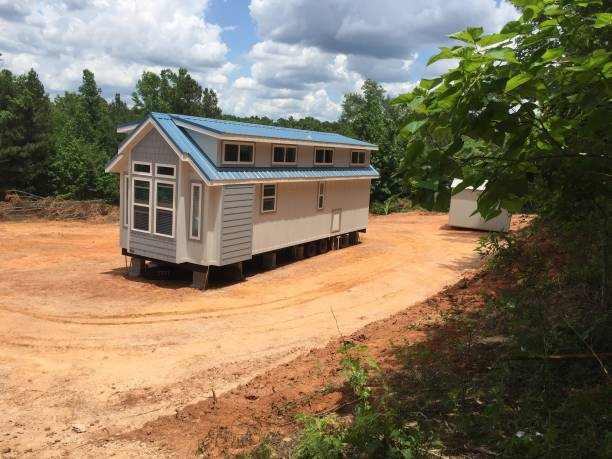
Know Why You Want a Tiny House (Be Honest About It)
This sounds basic. It’s not.
People jump into tiny homes for all kinds of reasons. Some want financial freedom. Some want mobility. Others are just tired of big, empty houses that feel like a burden.
But here’s the thing — your reason matters more than the house itself.
If you’re chasing cheaper living but still want luxury space… that’s a mismatch. If you want freedom but hate tight quarters, well, that’s going to get uncomfortable fast.
Sit with it for a second. Why are you really doing this?
Because the “perfect” tiny house is different for someone escaping rent… versus someone building a minimalist lifestyle.
Budget Isn’t Just the Price Tag
A lot of listings look affordable at first glance. Clean photos. Smart layout. Decent price.
But the number you see? That’s rarely the full story.
There’s delivery. Setup. Utilities. Land, if you don’t already have it. Permits. Hookups. Repairs you didn’t expect.
And yeah, those little upgrades that seem optional at first… they add up fast.
So when you’re looking at a tiny house for sale, don’t just ask, “can I afford this?” Ask:
Can I afford this and everything that comes after it?
Because being house-poor in a tiny house… kind of defeats the purpose.
Layout Matters More Than You Think
Photos can be deceiving. Really deceiving.
A tiny home might look spacious online, but once you step inside, it’s a different story. Low ceilings. Awkward storage. Stairs that feel more like a ladder.
The layout is everything.
Where do you cook? Where do you sit? Can you actually stand comfortably? What about storage for everyday stuff, not just staged items?
And sleeping lofts… they’re cool until you have to climb up there half-asleep at 2 am.
Walk through it mentally. Better yet, physically if you can. Imagine your real routine, not the Instagram version.
Location Changes Everything
This is where a lot of people mess up.
They find a beautiful tiny house. Good price. Nice design. Done deal, right?
Except… where is it going?
Parking a tiny home isn’t always simple. Some areas are strict. Others are vague but still tricky.
Which brings us to something people tend to ignore until it’s too late.
Understanding Tiny House Regulations (Don’t Skip This)
This part isn’t exciting. But it matters. A lot.
Tiny house regulations vary depending on where you are. Some places allow them as permanent residents. Others treat them like RVs. Some don’t allow them at all unless certain conditions are met.
Zoning laws. Building codes. Minimum size requirements. Utility rules.
It can get messy.
So before you fall in love with a place, check the rules where you plan to live. Not after. Before.
Because of the worst-case scenario? You buy a tiny house… and then realize you can’t legally live in it where you want.
That’s not just frustrating. That’s expensive.
New vs Used — It’s Not Always Obvious
There’s something appealing about a brand-new tiny home. Clean. Custom. No history.
But using tiny houses can be a smart move, too. Lower cost. Sometimes already set up with utilities or land.
The downside? Wear and tear. Hidden issues. Poor DIY builds (and yeah, there are plenty of those out there).
If you’re buying used, inspect everything. Plumbing, wiring, insulation. Look for shortcuts. Ask questions, even if they feel basic.
If something feels off… it probably is.
Think About Daily Living, Not Just the Idea
Tiny living sounds great in theory. Minimalism. Simplicity. Less stress.
But daily life is where it either works… or doesn’t.
Where do your clothes go? Your shoes? Your laptop setup? Your groceries?
What happens when it rains for three days straight and you’re stuck inside?
Or when you have guests. Even one guest can feel like a crowd in a tiny home.
It’s not about scaring yourself out of it. It’s about being realistic.
The goal isn’t just to own a tiny house. It’s to actually enjoy living in it.
Quality Over Trendy Features
Some tiny homes look amazing. Like straight out of a design magazine.
But flashy features don’t always mean good quality.
That fold-out table might look cool, but is it sturdy? That hidden storage… is it actually usable?
Focus on the basics first. Structure. Insulation. Ventilation. Build quality.
A simple, well-built tiny home will beat a trendy one that falls apart after a year.
Every time.
Don’t Rush the Decision
This is a big one.
People get excited. They see a listing. It feels right. They don’t want to miss out.
So they move fast.
And sometimes… that works out. But a lot of times, it doesn’t.
Take your time. Look at multiple options. Sleep on it. Ask questions. Then ask more.
The right tiny house for sale will still be the right one tomorrow.
If it disappears? There will be another.
Better to miss one than regret the one you rushed into.
Work With Builders Who Actually Get It
Not all builders understand tiny living.
Some treat it like a smaller version of a regular house. That’s a mistake.
Good builders design for function. They think about space, weight, mobility (if it’s on wheels), and long-term durability — especially when working within tiny house regulations, which can change how everything is built.
Companies like Trailer Made Trailers, for example, focus on the foundation side of things, which is more important than people realize. Because if the base isn’t solid, nothing else really matters.
You don’t need a big brand. But you do need someone who knows what they’re doing.
Conclusion
Finding the perfect tiny house isn’t about chasing some ideal you saw online.
It’s about alignment. Your lifestyle, your budget, your expectations… all of it needs to match the reality of tiny living.
Take your time. Ask uncomfortable questions. Be a little skeptical, even when something looks perfect.
Because when you get it right, a tiny house can be more than just a place to live. It can feel like control. Like freedom. Like you finally cut out all the noise you didn’t need.
But when you get it wrong… yeah, you’ll feel that too.
So go slow. Stay honest with yourself.