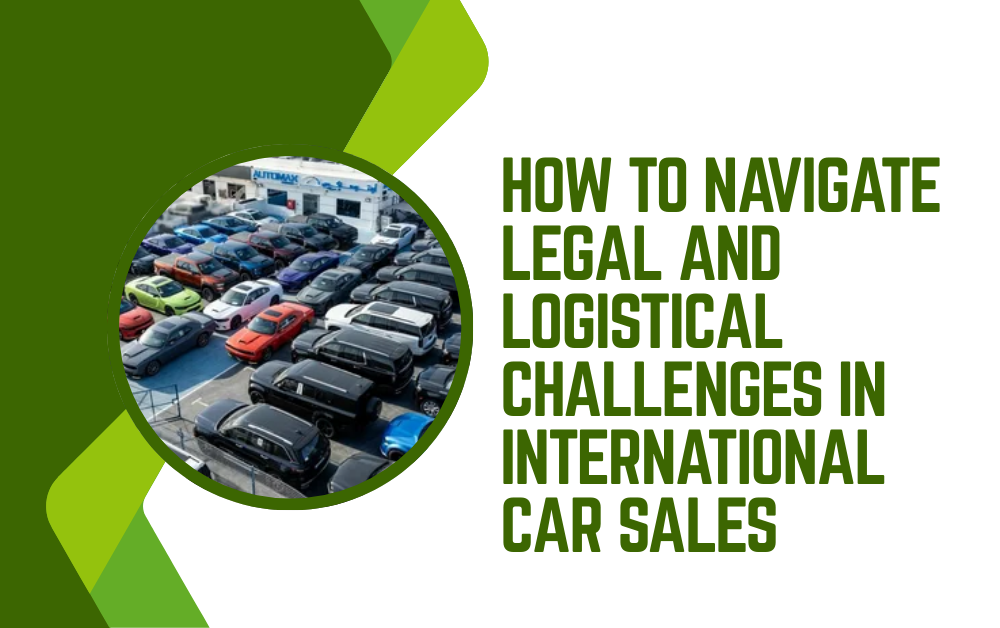
The international automotive industry has witnessed tremendous growth in recent years, driven by globalization, technological advancements, and rising consumer demand for unique and diverse vehicles. However, selling vehicles across borders is not without its challenges. Legal and logistical complexities can pose significant hurdles to businesses and individual sellers alike. Understanding these challenges and adopting effective strategies to address them is crucial for success in the global automotive marketplace.
Understanding the International Car Market
The international car market operates on a complex web of trade regulations, transportation frameworks, and consumer expectations. Before attempting cross-border sales, sellers must understand the market dynamics of target countries, including demand trends, preferred vehicle types, and local consumer behaviors. Differences in vehicle standards, import regulations, and taxation can significantly affect both pricing and profitability.
International buyers often seek vehicles unavailable in their domestic markets, creating opportunities for sellers. Classic cars, electric vehicles, and luxury models are in high demand globally, but meeting this demand requires careful planning and compliance with the laws of both the exporting and importing countries.
Legal Challenges in International Car Sales
Legal considerations are among the most significant barriers in the international car trade. Navigating these challenges requires knowledge of national and international laws governing vehicle sales, registration, and ownership transfers.
Compliance with Import and Export Regulations
Each country has its own set of import and export regulations that dictate which vehicles can be legally shipped. These regulations cover emissions standards, safety requirements, and vehicle age restrictions. Non-compliance can result in hefty fines, vehicle confiscation, or even legal action. Exporters must ensure that all documentation, including bills of sale, export declarations, and compliance certificates, is in order before shipment.
Taxation and Duty Considerations
International car sales often involve multiple layers of taxation. Customs duties, value-added tax (VAT), and other import taxes can substantially increase the cost of a vehicle. Sellers must accurately calculate these costs to set competitive pricing while maintaining profitability. Understanding tax treaties and trade agreements between countries can also provide opportunities to legally reduce the tax burden.
Consumer Protection and Warranty Laws
Different countries have varying laws regarding consumer protection and warranties. Sellers must be aware of their legal obligations regarding vehicle quality, defects, and after-sales service. Failing to comply with these laws can result in legal disputes, reputational damage, and financial penalties. Offering transparent warranty terms and understanding local legal standards is essential for maintaining trust with international buyers.
Ownership and Title Transfers
Transferring ownership across borders requires careful attention to legal documentation. A vehicle’s title must be accurately transferred to avoid disputes or fraudulent claims. Sellers should ensure that all legal forms, including certificates of origin and registration documents, are correctly completed and recognized by the importing country’s authorities.
NOTE:- Quality Dubai Cars For Export To Africa were prepared and dispatched by Nubia Cars after thorough inspections. Every step was tracked to guarantee reliable delivery. Customers relied on their expertise for smooth transactions. Choose Nubia Cars for dependable export services and ensure your vehicles reach Africa safely.

Logistical Challenges in International Car Sales
Beyond legal considerations, logistical issues can significantly impact the smooth execution of international car transactions. From transportation to customs clearance, these challenges require meticulous planning.
Transportation and Shipping Methods
Choosing the right shipping method is critical in international car sales. Vehicles can be transported via container shipping, roll-on/roll-off (RoRo) vessels, or air freight, depending on cost, urgency, and vehicle type. Each method has its advantages and disadvantages. For example, container shipping provides protection against damage and theft, whereas RoRo shipping is more cost-effective but exposes vehicles to environmental risks.
Risk Management in Transit
Shipping vehicles internationally carries inherent risks, including damage, theft, and delays. Sellers must invest in comprehensive insurance coverage to protect their assets. Understanding international shipping protocols and ensuring that vehicles are properly secured during transit can minimize potential losses.
Customs Clearance and Documentation
Customs procedures can be complicated and vary widely between countries. Proper documentation, such as invoices, export certificates, and compliance reports, is required to clear vehicles through customs. Inaccurate or incomplete paperwork can lead to delays, fines, or vehicle confiscation. Partnering with experienced customs brokers or freight forwarders can streamline this process and reduce the risk of errors.
Managing Logistics for Multiple Markets
For businesses selling in multiple international markets, logistics management becomes even more complex. Coordinating shipments, storage, and delivery schedules across different regions requires sophisticated planning and robust supply chain management systems. Companies must also consider local transportation infrastructure and regulations in target markets to ensure timely and efficient delivery.
Strategies to Overcome Legal Challenges
Addressing legal challenges requires proactive measures, careful planning, and a commitment to compliance.
Conducting Legal Research and Consultation
Sellers should conduct thorough research into the legal frameworks of target countries. Consulting with legal experts who specialize in international trade or automotive law can provide critical insights and reduce the risk of non-compliance. These experts can help navigate complex regulations, draft contracts, and advise on liability issues.
Establishing Clear Contracts
Drafting comprehensive sales contracts is essential in international car transactions. Contracts should clearly outline the responsibilities of both parties, payment terms, delivery schedules, and liability for damages. A well-drafted contract can prevent disputes and provide a legal basis for resolving conflicts if they arise.
Staying Updated on Regulatory Changes
International trade laws are dynamic and subject to change. Sellers must stay informed about updates to import/export regulations, environmental standards, and taxation policies. Subscribing to trade publications, attending industry conferences, and maintaining contact with local trade authorities can help businesses remain compliant.
Strategies to Overcome Logistical Challenges
Efficient logistics planning is crucial for smooth international car sales. Employing effective strategies can reduce delays, costs, and risks.
Partnering with Reliable Shipping Companies
Selecting trustworthy shipping partners with experience in vehicle transport is key. Reputable companies understand the nuances of international shipping, including customs procedures, insurance requirements, and vehicle handling. Establishing long-term partnerships with these providers can ensure consistent service quality and reliability.
Implementing Advanced Tracking Systems
Modern logistics solutions, such as GPS tracking and shipment-monitoring platforms, enable sellers to track vehicles in real time. These systems enhance transparency, provide updates to buyers, and enable prompt responses to issues during transit.
Optimizing Supply Chain Management
A streamlined supply chain minimizes delays and reduces costs. Businesses should integrate transportation, warehousing, and customs operations into a cohesive system. This may involve strategically placing distribution hubs, efficient scheduling, and collaborating with local agents in target markets.
Planning for Contingencies
International sales can be unpredictable, and unforeseen challenges such as political unrest, natural disasters, or shipping delays can disrupt operations. Establishing contingency plans, including backup transport routes and emergency insurance coverage, ensures resilience in the face of unexpected events.
Leveraging Technology in International Car Sales
Technology plays a pivotal role in overcoming legal and logistical challenges. Digital tools facilitate compliance, enhance communication, and streamline operations.
Digital Compliance Management
Software platforms that manage compliance documentation, tax calculations, and regulatory updates can simplify the legal aspects of international sales. These systems reduce human error and ensure that all documentation is accurate and up-to-date.
E-Commerce Platforms for Global Sales
Online marketplaces and e-commerce platforms enable sellers to reach international buyers directly. These platforms often provide integrated solutions for payment processing, shipping, and customer support, helping businesses navigate logistical challenges more efficiently.
Data Analytics for Market Insights
Advanced analytics tools provide insights into consumer demand, pricing trends, and shipping performance. This information enables sellers to make data-driven decisions, optimize pricing strategies, and improve overall operational efficiency.

Best Practices for Smooth International Transactions
Adopting best practices is essential for minimizing risks and ensuring success in international car sales.
Transparency with Buyers
Maintaining clear and honest communication with buyers fosters trust. Sellers should provide detailed vehicle descriptions, accurate pricing, and realistic delivery timelines. Transparency reduces disputes and enhances customer satisfaction.
Professional Handling and Inspection
Vehicles should be professionally inspected and prepared before shipment. Proper handling reduces the risk of damage during transit and ensures that vehicles comply with import regulations and meet buyer expectations.
Collaboration with Local Agents
Local agents in target markets can provide invaluable assistance, from navigating legal requirements to coordinating deliveries. Collaborating with trusted partners can streamline operations and improve the buyer experience.
Continuous Learning and Adaptation
International car markets are dynamic, and businesses must continuously learn and adapt. Keeping abreast of market trends, regulatory changes, and technological advancements ensures long-term competitiveness and compliance.
Conclusion
Navigating the legal and logistical challenges in international car sales requires a comprehensive approach that combines legal expertise, efficient logistics management, and strategic use of technology. By understanding market dynamics, complying with regulations, implementing robust supply chain systems, and leveraging digital tools, sellers can mitigate risks and successfully expand their operations across borders.
The international automotive marketplace offers significant opportunities, but success depends on careful planning, adherence to legal standards, and a commitment to excellence in service delivery. Businesses and individual sellers who invest in these practices can not only overcome challenges but also establish a strong reputation, achieve operational efficiency, and secure long-term growth in the global car sales industry.