
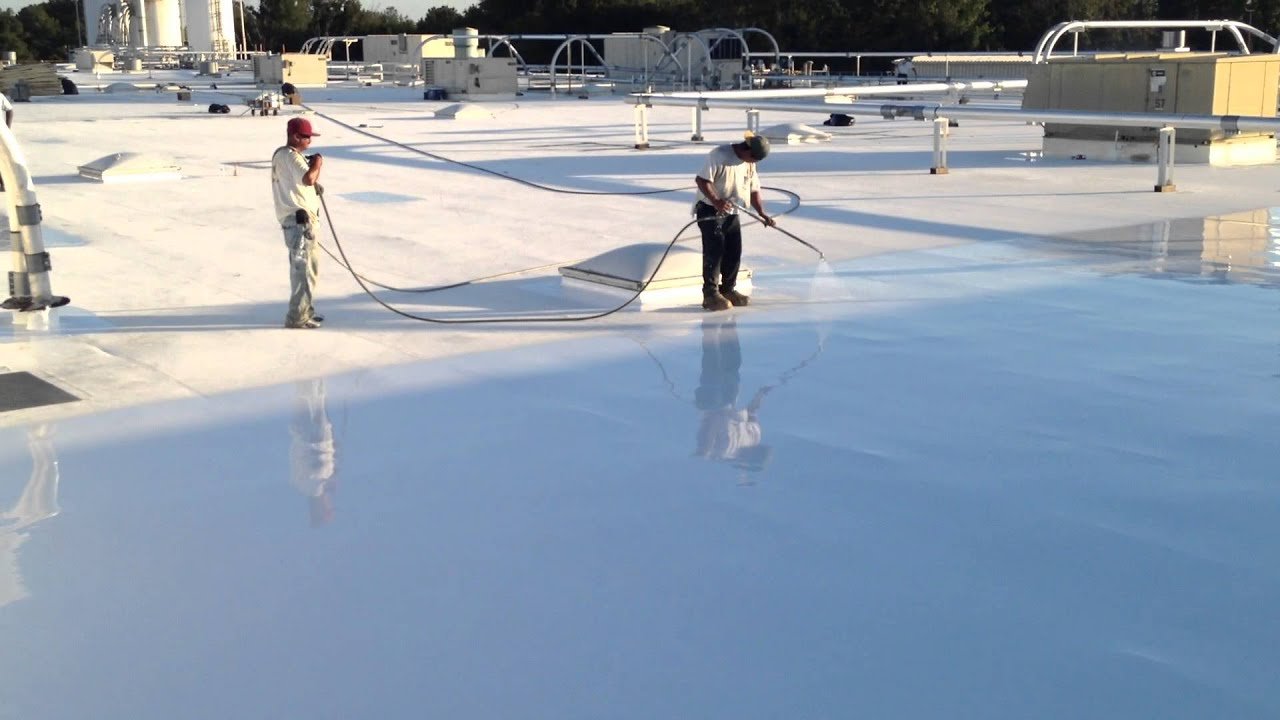
Low-slope and flat roofs are uniquely vulnerable to the relentless energy of the sun. Unlike steep-sloped residential roofs that shed water and reflect some sunlight due to their pitch, low-slope structures absorb a massive amount of solar radiation. If you are a property owner seeking Flat Roof Silicone Coating in Ontario, CA, you likely already know that the Inland Empire’s heat can be brutal. UV rays act as a catalyst for chemical degradation, breaking down the molecular bonds of traditional roofing materials like TPO, PVC, and EPDM. Over time, this results in “alligatoring,” where the surface cracks and becomes brittle, eventually leading to catastrophic leaks.
Protecting your investment requires a proactive approach. Understanding the mechanics of thermal shock and UV degradation is the first step in extending the life of your commercial or residential flat roof.
Why UV Radiation is a Low-Slope Roof’s Worst Enemy
UV damage isn’t just about color fading; it’s about structural integrity. When a roof is exposed to high temperatures and ultraviolet light, it undergoes a process called photo-oxidation.
1. Loss of Plasticizers
Most single-ply membranes contain plasticizers to keep them flexible. UV exposure causes these chemicals to migrate to the surface and evaporate. Once the membrane loses its flexibility, it cannot expand and contract with the shifting temperatures of the day, leading to splits and tears.
2. Thermal Shock
In areas with high daytime temperatures, a roof can reach over 150°F. If a sudden afternoon rain shower occurs, the rapid cooling causes the material to contract violently. This “thermal shock” is a leading cause of seam failure and fastener back-out.
3. Accelerated Aging
Every hour of direct sunlight effectively “ages” a roof. Without a protective barrier, a 20-year roof might only provide 12 years of reliable service before the core components become too fragile to repair.
Solutions for Long-Term UV Protection
The most effective way to combat these issues is through high-performance coatings and reflective surfacing. This is where modern technology provides a significant advantage over older roofing methods.
High-Reflectivity Silicone Coatings
Silicone has become the industry gold standard for UV resistance. Unlike acrylic coatings, which can become brittle over time, silicone remains flexible and is largely unaffected by UV light. Applying a Flat Roof Silicone Coating in Ontario, CA ensures that your building benefits from a “cool roof” effect. These coatings can reflect up to 85% of solar radiation, keeping the roof surface—and the building interior—significantly cooler.
Cool Roof Restoration Systems
Instead of a full tear-off, many owners choose a restoration system. This involves cleaning the existing substrate, reinforcing the seams, and applying a UV-stable topcoat. By choosing All & One Restoration and Construction for these services, you ensure that the application is handled by professionals who understand the specific climate challenges of the region.
The Role of Reflectivity and Emissivity
When researching how to protect your roof, you will often encounter two technical terms: Solar Reflectance and Thermal Emittance.
- Solar Reflectance: This is the ability of the roof to bounce solar energy back into the atmosphere.
- Thermal Emittance: This is the roof’s ability to radiate absorbed heat rather than transferring it into the building.
A high-quality liquid-applied roofing membrane provides both. By maintaining a high “Solar Reflective Index” (SRI), you not only protect the roofing material from UV breakdown but also see a dramatic reduction in HVAC energy consumption. In the long run, the coating pays for itself through utility savings and the avoidance of premature roof replacement.
Essential Maintenance for UV-Exposed Roofs
Even the best protection requires oversight. To maximize the lifespan of your low-slope roof, follow these maintenance best practices:
- Bi-Annual Inspections: Check for signs of “chalking” on the surface, which indicates the top layer is beginning to degrade.
- Keep Surfaces Clean: Dirt and debris can absorb heat and create “hot spots” on your roof, accelerating damage in localized areas.
- Check Seams and Flashings: UV rays often attack the adhesives used in seams first. Ensure these areas are reinforced with a UV-resistant sealant or fabric-reinforced coating.
- Professional Assessment: Engage a specialist in commercial roof maintenance to identify micro-cracks that are not visible to the untrained eye.
Choosing the Right Protection Strategy
Protecting a low-slope roof is a balance between immediate cost and long-term value. While a standard bitumen roof might be cheaper initially, the cost of frequent repairs due to sun damage quickly adds up. Investing in a white roof coating or a dedicated silicone restoration system provides a seamless barrier that is impervious to ponding water and highly resistant to the sun’s rays.
By taking these steps, you transition from a reactive “fix it when it leaks” mindset to a proactive asset management strategy. Modern solutions allow you to renew your roof’s warranty and its UV protection every 10 to 15 years with a simple “re-coat,” effectively making it a permanent roofing solution.