
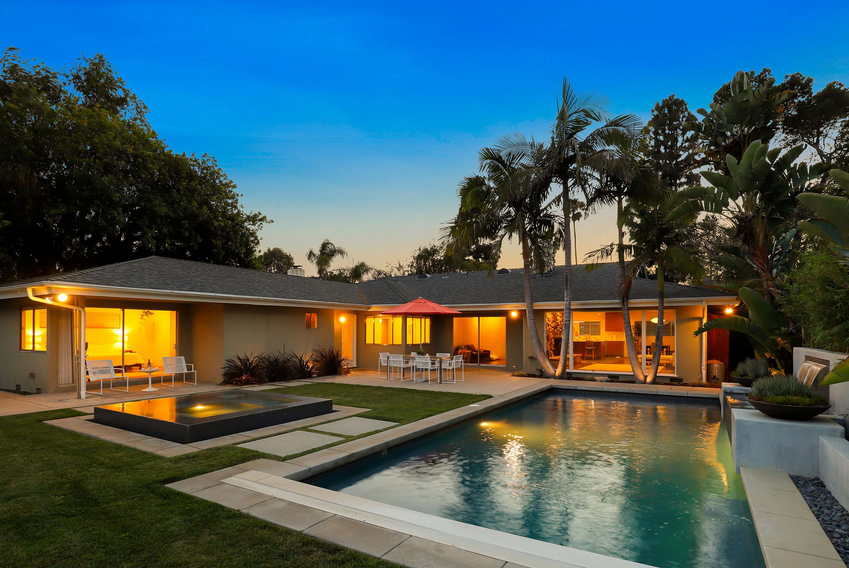
Capturing the beauty of a property in Orange County goes beyond photographing walls, floors, and furniture. The surrounding natural landscape can dramatically enhance a listing, helping potential buyers envision the lifestyle a home offers. Incorporating natural elements into your property photography not only elevates the images but also increases engagement and interest in the property. Here’s a guide on how to effectively use natural landscapes in Orange County property photography to create stunning, inviting visuals.
Understanding the Importance of Natural Landscapes
Natural landscapes add depth, context, and emotion to property photos. Buyers don’t just purchase a house; they purchase the feeling of the environment. Trees, gardens, hills, beaches, or nearby parks can highlight the property’s connection to nature. For example, a backyard framed by lush greenery can make the space feel private and serene, while ocean views or distant hills provide a sense of openness and tranquility. Recognizing these features and including them in your shots helps potential buyers emotionally connect with the home.
In Orange County, natural features vary widely from coastal vistas to inland hills and manicured gardens. Understanding the unique aspects of the property’s surroundings is essential. A property near the beach can benefit from capturing sunrise or sunset lighting, while inland homes might gain more from shots that highlight large trees, lawns, or landscaped courtyards.
Timing Your Shots for Natural Beauty
Lighting plays a key role in photographing natural landscapes. The golden hours—shortly after sunrise and before sunset—provide soft, warm light that enhances the colors of the property and the surroundings. Shadows are gentle during these times, creating depth without harsh contrasts. For properties near the coast, the early morning can highlight calm water and reflective surfaces, while sunset provides dramatic skies.
Midday light is harsher and can wash out colors, but it’s useful for capturing bright and vibrant landscapes, particularly if the property has a garden or outdoor entertainment area. Overcast days are also valuable, as clouds diffuse the light evenly, reducing harsh shadows and creating a natural, inviting atmosphere. Planning your shoot around these times ensures the landscape is showcased in its best light.
Framing the Landscape with the Property
To effectively incorporate natural landscapes, think about framing. The property should remain the focal point, with the landscape serving as a complementary backdrop. Wide-angle lenses are particularly useful for including more of the surrounding environment without distorting the property.
Consider using natural features to frame your shots. Trees, arching branches, or hedges can act as a border around the property, guiding the viewer’s eye toward the home. Water features, such as ponds or fountains, can create reflective surfaces that add visual interest. Positioning the camera to capture the landscape in layers—foreground, midground, and background—adds depth to the image and creates a sense of scale.
Highlighting Outdoor Spaces
Outdoor areas are one of the most important aspects of property photography. Balconies, patios, gardens, and yards all benefit from a strong connection to the natural surroundings. When photographing these spaces, include the surrounding landscape to show how the property interacts with nature.
For example, a patio overlooking a hillside can feel more expansive if the hill is included in the composition. Similarly, capturing a backyard garden with blooming flowers, trees, or a distant mountain view can create a feeling of tranquility and privacy. Small details, such as flower beds or stone pathways, can also be emphasized to highlight thoughtful landscaping that adds value to the home.
Using Water and Coastal Features
Orange County is known for its beautiful coastline, rivers, and lakes. Properties near water can leverage these features to enhance their visual appeal. When photographing homes near the coast, include glimpses of the ocean or beach to create a sense of location and lifestyle. Reflections in water can also add dynamic elements to your images, making them more engaging.
Shooting during low tide can reveal interesting textures in sand or rocks, while high tide can create dramatic seascapes. If a property has a pool, pond, or fountain, reflect the natural surroundings to integrate the water feature with the landscape. The combination of natural water elements and the property creates an inviting, resort-like atmosphere.
Integrating Seasonal Changes
Landscapes change with the seasons, and understanding these variations allows you to highlight properties in different ways. In spring, flowering plants and fresh greenery can enhance the visual appeal of gardens and yards. Summer brings vibrant sunlight and longer days, which are ideal for bright, warm exterior shots. Fall adds color to trees, while winter may emphasize evergreens, soft light, or coastal breezes.
Photographers can plan multiple shoots or select the best season for showcasing a property’s surroundings. Highlighting seasonal features ensures that images feel fresh and relevant, and it allows buyers to imagine enjoying the property throughout the year.
Maintaining Balance Between Home and Landscape
While natural landscapes enhance photography, it’s important not to let them overshadow the property itself. The home should always remain the main focus, with the landscape providing context and beauty. Avoid overusing wide-angle shots that push the house into the background or make the property seem distant. Instead, balance framing so the home and its surroundings complement each other.
Use elements like leading lines, pathways, and garden layouts to guide the viewer’s eye naturally toward the property. Proper exposure and focus ensure that both the house and landscape are captured clearly and beautifully. This balance makes images more appealing and informative for buyers.
Enhancing Images Through Post-Processing
Post-processing can further enhance the natural beauty of landscapes without making them look artificial. Adjusting brightness, contrast, and saturation can bring out the colors of trees, flowers, and skies. Be careful not to over-edit; buyers prefer realistic representations of the property and surroundings. Subtle enhancements, like emphasizing the warm tones of sunset or the lush greens of a garden, can create inviting, professional images.
HDR photography is also effective in balancing indoor and outdoor light. For example, if you’re photographing a living room that opens to a garden, HDR ensures that both interior and exterior are properly exposed, showcasing the home and its natural surroundings simultaneously.
Conclusion
Natural landscapes are a powerful tool in Orange County real estate photography. From framing homes with trees and gardens to showcasing coastal views and seasonal beauty, the surroundings provide context, depth, and emotional appeal. Proper timing, framing, and post-processing enhance the property’s features without overshadowing them.
By understanding how to integrate natural landscapes into property photography, real estate professionals and photographers can create compelling visuals that attract buyers and convey the lifestyle the property offers. Whether it’s a serene backyard, a coastal view, or a well-maintained garden, the natural environment can transform standard property photos into captivating images that leave a lasting impression.
Investing time and care into capturing and highlighting the natural surroundings will pay off, as buyers are drawn not only to the home itself but also to the way it connects with the beauty of Orange County’s landscapes.