
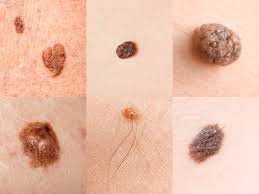
Skin is the body’s largest organ, acting as a protective barrier against harmful elements. Despite its resilience, the skin is also vulnerable to serious conditions such as skin cancer only, which has become one of the most common forms of cancer worldwide. The good news is that when detected early, most types of skin cancer can be treated successfully. This is where the importance of regular skin checks comes in. By monitoring your skin and scheduling professional examinations, you can significantly improve your chances of early detection and treatment.
Why Skin Checks Matter
Many people assume that skin cancer is easy to notice, but this is not always the case. Some cancers develop in subtle ways—appearing as small spots, slow-healing sores, or changes in existing moles. Without regular checks, these warning signs may go unnoticed until the disease has advanced.
Routine skin checks help you:
- Identify changes in moles or spots at the earliest stage.
- Recognize unusual growths that may otherwise be dismissed.
- Take proactive steps before cancer spreads to deeper layers of the skin or other parts of the body.
The key to managing skin cancer effectively lies in catching it early, and self-examinations combined with professional screenings play a vital role.
Types of Skin Cancer That Checks Can Detect
Regular skin examinations can help in the early detection of different types of skin cancer, including:
- Basal Cell Carcinoma (BCC): The most common form, often appearing as pearly bumps or sores that don’t heal. While slow-growing, untreated BCC can cause significant skin damage.
- Squamous Cell Carcinoma (SCC): Typically shows up as scaly patches, rough nodules, or sores that bleed. It has a higher chance of spreading if ignored.
- Melanoma: The most aggressive type of skin cancer, known for its rapid spread. It may arise from existing moles or appear as new dark spots with irregular shapes or colors.
By checking your skin regularly, you increase the likelihood of spotting these early signs before they develop into more serious conditions.
The ABCDE Rule for Self-Checks
When performing self-checks, one of the most widely recommended methods is the ABCDE rule. This simple guide helps you determine whether a mole or spot may be a sign of skin cancer:
- A – Asymmetry: One half looks different from the other.
- B – Border: Edges are irregular, blurred, or jagged.
- C – Color: Uneven colors, including shades of black, brown, red, or blue.
- D – Diameter: Larger than 6mm, although smaller lesions can also be cancerous.
- E – Evolving: Changes in size, shape, or color, or new symptoms such as itching or bleeding.
By applying this method, you can quickly identify suspicious areas that may require professional evaluation.
How to Perform a Self-Skin Check
A self-skin examination doesn’t require special equipment—just good lighting and a mirror. Here are some steps to follow:
- Examine your face, neck, and ears closely, as these areas receive the most sun exposure.
- Check your arms and hands, including between fingers and under nails.
- Look at your chest, stomach, and torso using a full-length mirror.
- Inspect your back, shoulders, and buttocks with the help of a hand mirror.
- Don’t forget your legs, feet, and soles, as skin cancer can develop even in less sun-exposed areas.
- Part your hair and check your scalp for unusual spots.
This thorough routine should ideally be done once a month to track changes over time.
Professional Skin Checks
While self-examinations are critical, they should not replace professional evaluations. Dermatologists are trained to recognize even the subtlest signs of skin cancer that may be difficult for an untrained eye to spot. A professional skin check usually involves:
- A full-body inspection, including less obvious areas such as the scalp, underarms, and soles of the feet.
- The use of a dermatoscope, a magnifying tool that provides a closer look at skin lesions.
- Recommendations for biopsy or further tests if a suspicious area is found.
Regular visits to a dermatologist—at least once a year or more frequently if you’re at higher risk—ensure that potential problems are detected early.
Who Should Prioritize Regular Skin Checks?
Although everyone benefits from skin checks, certain groups are at a higher risk of developing skin cancer. These include:
- People with fair skin, light eyes, or red/blond hair.
- Individuals with a history of frequent sunburns or long-term sun exposure.
- Those who use tanning beds regularly.
- People with a family history of skin cancer.
- Individuals with a large number of moles or unusual mole patterns.
- Anyone with a weakened immune system due to illness or medication.
For high-risk individuals, dermatologists may recommend skin checks every six months or even more often.
Prevention Alongside Detection
While skin checks are essential for early detection, prevention remains a crucial strategy in reducing your risk of skin cancer. Some preventive measures include:
- Applying sunscreen daily with broad-spectrum protection.
- Wearing protective clothing such as hats and long sleeves.
- Avoiding tanning beds and limiting time under direct sunlight.
- Staying in the shade during peak UV hours between 10 a.m. and 4 p.m.
A combined approach of prevention and regular checks provides the strongest defense against skin cancer.
The Lifesaving Value of Early Detection
When skin cancer is diagnosed early, treatment is often simpler, less invasive, and highly effective. In the case of melanoma, early-stage detection can mean the difference between a small outpatient procedure and a condition that becomes life-threatening. The earlier cancer is identified, the greater the likelihood of achieving a full recovery.
Final Thoughts
Your skin tells a story about your overall health, and listening to its changes can save your life. Regular self-checks and professional skin examinations are not just precautionary measures—they are vital tools in the fight against skin cancer.
By paying attention to warning signs, practicing prevention, and seeking medical advice when needed, you empower yourself to catch potential problems before they become serious. Remember, the effort you put into monitoring your skin today could be the key to protecting your health tomorrow.