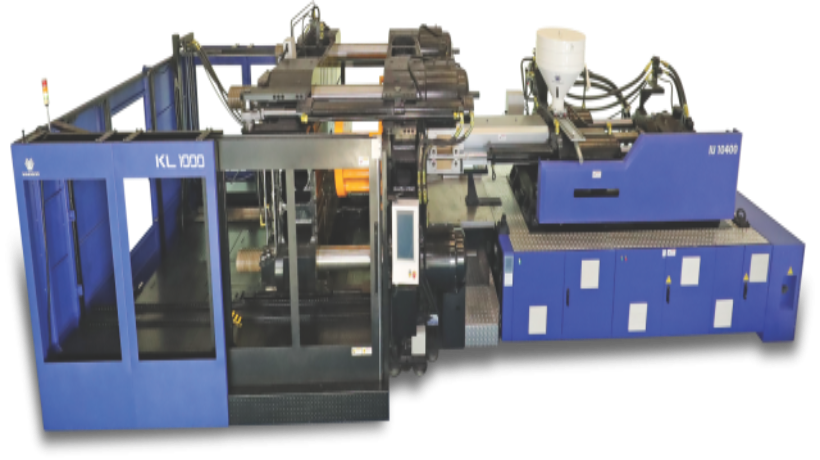
In today’s competitive manufacturing landscape, precision, speed, and cost-efficiency are critical to success. One technology that continues to shape the production of plastic components worldwide is the Injection Moulding Machine. From automotive dashboards and medical devices to household containers and electronic parts, this powerful equipment plays a central role in creating durable, consistent, and high-quality products at scale.
This blog explores how an Injection Moulding Machine works, its major components, types, advantages, and why it remains indispensable for modern industries.
What Is an Injection Moulding Machine?
An Injection Moulding Machine is an industrial device designed to manufacture plastic parts by injecting molten material into a specially designed mould. The process involves melting raw plastic pellets, forcing the molten material into a mould cavity under pressure, cooling it, and then ejecting the finished product.
The result is a precisely shaped component that meets exact design specifications. Because the process is automated and repeatable, manufacturers can produce thousands or even millions of identical parts with minimal variation.
How Does an Injection Moulding Machine Work?
The working principle of an Injection Moulding Machine revolves around four key stages:
1. Plastic Melting
Plastic granules are fed into a heated barrel where they are melted by rotating screws and external heaters. The temperature is carefully controlled to ensure proper melting without degrading the material.
2. Injection Phase
Once the plastic reaches a molten state, it is injected at high pressure into a closed mould cavity. This pressure ensures the material fills every corner and intricate detail of the mould.
3. Cooling and Solidification
After the mould is filled, the material is allowed to cool and solidify. Cooling time depends on the thickness and complexity of the product.
4. Ejection
When the material has fully solidified, the mould opens and the finished part is ejected. The machine then prepares for the next cycle.
This continuous cycle enables high-volume production with exceptional consistency.
Core Components of an Injection Moulding Machine
Understanding the main components helps in appreciating the precision engineering behind the system.
Injection Unit
This section melts and injects the plastic into the mould. It includes the hopper, barrel, screw, and heating elements.
Clamping Unit
The clamping unit holds the mould halves tightly together during injection. It must apply sufficient force to withstand the injection pressure.
Mould
The mould is the custom-designed tool that shapes the molten plastic. It determines the product’s size, shape, and surface finish.
Control System
Modern Injection Moulding Machines are equipped with advanced digital control panels that regulate temperature, pressure, injection speed, and cycle timing for optimal performance.
Types of Injection Moulding Machines
Different industries require different machine configurations. The three primary types include:
Hydraulic Injection Moulding Machine
Hydraulic machines use hydraulic systems to generate clamping force. They are known for durability and strong pressure capabilities, making them suitable for heavy-duty applications.
Electric Injection Moulding Machine
Electric machines use servo motors for precise control and energy efficiency. They are ideal for high-precision products such as medical and electronic components.
Hybrid Injection Moulding Machine
Hybrid machines combine hydraulic strength with electric efficiency, offering balanced performance for diverse manufacturing needs.
Each type serves specific production requirements depending on part complexity, production volume, and energy efficiency goals.
Advantages of Using an Injection Moulding Machine
The popularity of the Injection Moulding Machine is driven by its numerous benefits.
High Production Efficiency
Once the mould is set up, production cycles are fast and continuous. This makes it perfect for mass manufacturing.
Exceptional Accuracy
Modern machines provide tight tolerances and consistent quality, ensuring uniform output across large batches.
Material Versatility
Injection moulding supports a wide range of thermoplastics and specialized materials, enabling diverse applications.
Minimal Waste
Excess material can often be recycled and reused, reducing production waste and lowering costs.
Automation Capabilities
Advanced machines integrate robotics and automation systems to improve productivity and reduce manual intervention.
Industrial Applications of Injection Moulding Machines
The flexibility of an Injection Moulding Machine allows it to serve multiple industries:
- Automotive Industry: Producing dashboards, bumpers, interior panels, and engine components.
- Medical Sector: Manufacturing syringes, containers, and precision medical parts.
- Consumer Goods: Creating plastic containers, kitchenware, toys, and packaging products.
- Electronics: Producing casings, connectors, and small precision components.
- Construction: Manufacturing fittings, insulation parts, and piping components.
Because of its scalability and adaptability, injection moulding remains one of the most reliable manufacturing processes worldwide.
Factors to Consider Before Choosing an Injection Moulding Machine
Selecting the right Injection Moulding Machine requires careful evaluation.
Clamping Force
The required clamping force depends on the size and complexity of the product. Larger parts require higher tonnage.
Shot Size
Shot size determines how much material can be injected in one cycle. It must align with the product’s material volume.
Material Compatibility
Different plastics require specific temperature and pressure ranges. Ensure the machine supports your chosen material.
Energy Efficiency
Electric and hybrid models often reduce operational costs through lower energy consumption.
Automation and Control Features
Advanced control systems enhance precision and reduce human error.
The Future of Injection Moulding Machines
Technological advancements continue to reshape the Injection Moulding Machine industry. Smart manufacturing, IoT integration, and real-time data monitoring are transforming traditional operations into intelligent production systems.
Modern machines now feature predictive maintenance alerts, automated quality checks, and remote monitoring capabilities. These innovations help reduce downtime, improve productivity, and enhance overall manufacturing efficiency.
Sustainability is also becoming a major focus. Energy-efficient systems, recyclable materials, and optimized production cycles are contributing to more environmentally responsible manufacturing practices.
Conclusion
The Injection Moulding Machine stands as a cornerstone of modern manufacturing, delivering precision, speed, and scalability across industries. Its ability to transform raw plastic into complex, high-quality components makes it an essential asset for businesses seeking reliable and cost-effective production solutions.
From small precision parts to large industrial components, injection moulding technology continues to evolve, meeting the growing demands of global industries. As automation, digital controls, and energy-efficient designs advance, the Injection Moulding Machine will remain a driving force behind innovative manufacturing for years to come.
For manufacturers aiming to enhance productivity while maintaining consistent quality, investing in the right Injection Moulding Machine can be a transformative step toward long-term industrial success.