
In today’s rapidly urbanizing world, traffic management and road safety have become critical challenges for governments and law enforcement agencies. As vehicle numbers soar and urban mobility grows increasingly complex, cities are turning to automation and artificial intelligence (AI) to ensure safety, efficiency, and security on the roads. At the heart of this technological transformation lies the license plate recognition system, a smart and efficient solution designed to identify vehicles in real-time, detect violations, and enhance public safety.
A license plate recognition system (LPRS), also known as Automatic License Plate Recognition (ALPR), uses AI-driven computer vision technology to automatically read and process vehicle license plates from video feeds or still images. It provides authorities with real-time data on vehicle movements, supporting a wide range of applications—from traffic enforcement and toll collection to parking management and crime detection.
Understanding the Functionality of License Plate Recognition Systems
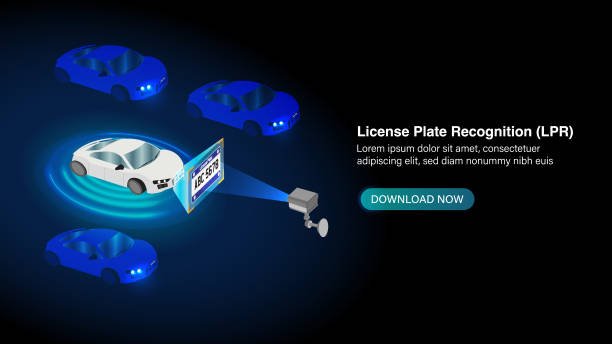
The core function of a license plate recognition system is to detect, read, and record license plate information using cameras and image-processing algorithms. The system captures an image of a vehicle, isolates the license plate area, and uses Optical Character Recognition (OCR) technology to interpret the alphanumeric characters.
This information is then cross-referenced with centralized databases to check for stolen vehicles, unpaid fines, or traffic violations. The process happens within seconds, enabling authorities to act promptly.
A typical LPRS setup includes:
- High-Resolution Cameras – Installed at strategic locations such as highways, intersections, and parking areas to capture clear images even at high speeds.
- AI-Based Software – Identifies and reads license plates under different lighting and weather conditions.
- Databases and Analytics Platforms – Store and analyze captured data for actionable insights and enforcement actions.
By leveraging advanced algorithms, these systems can accurately recognize plates across various languages, fonts, and formats, ensuring reliability in diverse regions.
Improving Urban Mobility and Traffic Management
Traffic congestion, unauthorized vehicle movement, and rule violations pose major obstacles to smooth urban mobility. The license plate recognition system enables data-driven traffic management by providing real-time insights into vehicle density and movement patterns.
For instance, by integrating LPRS with smart traffic signals, authorities can monitor vehicle flow and adjust light timings automatically based on congestion levels. Additionally, the system helps identify vehicles violating lane discipline, speeding regulations, or red-light signals, ensuring better enforcement and compliance.
Automated toll collection and smart parking are also among the major applications of LPRS, minimizing manual intervention and reducing waiting times.
Transforming Public Safety
One of the most impactful benefits of a license plate recognition system is its ability to enhance public safety. In many cities, LPRS forms a crucial part of surveillance and law enforcement networks. When connected to crime databases, it can automatically flag stolen, Transforming Public Safety, suspicious, or wanted vehicles, sending alerts to law enforcement teams in real-time.
This proactive capability allows police to intercept potential threats before they escalate. Moreover, LPRS data assists in forensic investigations, helping trace criminal movements and reconstruct vehicle trajectories in incidents such as thefts or accidents.
Public transportation systems, event venues, and government facilities also rely on these systems to ensure the safety of citizens. By continuously monitoring and recording vehicle movements, the license plate recognition system creates an added layer of transparency and accountability in public safety operations.
AI and the Evolution of License Plate Recognition
Artificial intelligence has transformed traditional vehicle recognition into an intelligent ecosystem. AI-based image analysis enhances the accuracy and speed of the license plate recognition system, even in challenging conditions such as poor lighting, rain, or vehicle motion blur.
AI models trained on vast datasets can recognize patterns and improve accuracy with every scan, minimizing false positives and maximizing reliability. Machine learning algorithms also enable predictive analytics—helping cities anticipate congestion, optimize enforcement, and improve urban planning.
Modern LPRS solutions integrate seamlessly with other AI-driven systems like facial recognition, vehicle type identification, and behavioral analytics, creating a complete picture of urban mobility.
Integration with Smart City Infrastructure
Smart cities rely on interconnected systems that collect and analyze data from multiple sources. The license plate recognition system plays a vital role in this ecosystem by providing real-time vehicular data.
This data feeds into smart city dashboards that monitor traffic density, environmental impact, and public safety. Integration with IoT sensors and surveillance cameras allows authorities to make data-driven decisions, such as deploying traffic police more effectively or identifying illegal parking zones.
Additionally, LPRS technology supports digital transformation initiatives like automated entry management in residential complexes, smart tolling, and cashless parking systems—enhancing overall urban living standards.
The Role of Vehicle Scanning and Data Analytics
When combined with advanced vehicle scanning and analytics platforms, the license plate recognition system becomes a powerful enforcement and security tool. Vehicle scanning technologies can inspect cargo and detect anomalies while LPRS simultaneously identifies vehicle identity.
This dual-layer approach is particularly valuable at border checkpoints, ports, and defense facilities. Data collected through these systems helps authorities analyze vehicle behavior, detect suspicious patterns, and prevent illegal activities, further reinforcing security.
Benefits of License Plate Recognition Systems
The advantages of deploying a license plate recognition system extend beyond law enforcement to encompass a variety of urban and commercial benefits:
- Automated Traffic Enforcement – Reduces human error and ensures fair penalty issuance for violations.
- Crime Prevention – Enables quick detection of stolen or suspicious vehicles.
- Operational Efficiency – Automates toll, parking, and access control systems.
- Data-Driven Insights – Provides real-time analytics for traffic management and city planning.
- Enhanced Safety – Improves overall security and situational awareness across public and private sectors.
Industries Leveraging License Plate Recognition
The versatility of LPRS makes it suitable for multiple industries:
- Transportation and Logistics – Real-time vehicle tracking and logistics flow optimization.
- Law Enforcement – Detecting and tracking offenders or suspects.
- Public Parking Management – Automating ticketing and access control.
- Retail and Commercial Spaces – Managing vehicle entries for customers and employees.
- Defense and Border Control – Strengthening perimeter security through automated vehicle identification.
Top Companies Providing License Plate Recognition Systems
Several leading companies are advancing the development of AI-powered license plate recognition systems that integrate seamlessly with smart city frameworks and security networks. Some of the top providers include:
- Vehant Technologies – A pioneer in intelligent traffic monitoring and security systems, Vehant offers advanced license plate recognition solutions powered by AI and machine vision. Their systems are known for their high-speed performance, real-time analytics, and adaptability to diverse environmental conditions.
- Hikvision – A global leader in video surveillance technology, Hikvision’s AI-based license plate recognition cameras are used widely in smart cities and transportation networks.
- Siemens Mobility – Provides intelligent mobility management systems that incorporate license plate recognition for urban traffic optimization.
- Kapsch TrafficCom – Delivers innovative transportation and tolling solutions featuring integrated vehicle recognition technology.
- Jenoptik – Specializes in automated traffic enforcement and license plate recognition systems that ensure road safety and efficiency.
These companies are leading the way in integrating AI and automation into vehicle monitoring systems, ensuring safer roads and smarter cities.
The Future of License Plate Recognition
The future of the license plate recognition system lies in deeper AI integration, cloud-based analytics, and interoperability with other smart city solutions. With 5G connectivity and edge computing, LPRS will process data faster and enable real-time decision-making across wider networks.
Upcoming systems will feature advanced predictive capabilities, identifying patterns that signal potential violations or traffic congestion. Moreover, sustainability will play a key role, with energy-efficient cameras and cloud platforms reducing environmental impact.
As technology continues to evolve, these systems will become more accessible, scalable, and customizable—supporting not just large cities but also smaller municipalities and private enterprises.
Conclusion
The license plate recognition system is revolutionizing how cities manage traffic, enforce laws, and ensure public safety. By harnessing AI, data analytics, and intelligent surveillance, it transforms ordinary road monitoring into a proactive, automated solution.
Incorporating advanced analytics and integration with broader smart city ecosystems, these systems contribute to safer, more efficient, and connected urban environments. Companies like Vehant Technologies are at the forefront of this transformation, developing cutting-edge solutions that empower authorities to create intelligent, sustainable, and secure cities.
As cities continue to grow and mobility evolves, the license plate recognition system will remain a cornerstone of intelligent traffic solutions—ushering in a new era of smarter, safer roads for everyone.