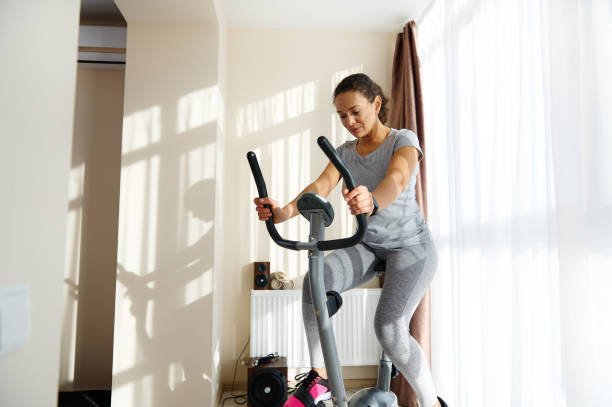
The idea of building a home gym has shifted from a niche luxury to a mainstream fitness solution across the UK. Rising gym memberships, time constraints, and the growing focus on long-term health have pushed many people to ask a simple but important question: is home gym equipment actually worth the investment?
The answer depends on more than just cost. It involves lifestyle, training consistency, space, and how people value convenience versus commitment. When examined properly, home gym equipment often proves to be a practical and financially sound decision rather than an indulgence.
The True Cost Comparison: Gym Membership vs Home Gym
At first glance, a monthly gym membership may seem cheaper than buying equipment outright. However, when viewed over time, the comparison changes significantly. A standard UK gym membership typically ranges from £30 to £60 per month, and premium facilities can exceed that. Over three years, that easily totals £1,000 to £2,000, often without ownership of anything tangible.
Home gym equipment, by contrast, is a one-time investment. Dumbbells, weight plates, benches, and racks retain their value and can be used for years with minimal maintenance. Quality equipment from reliable UK suppliers allows users to build a scalable setup that grows with their training needs rather than locking them into recurring fees.
Convenience as a Consistency Multiplier
Consistency is the most overlooked factor in fitness success. Many gym memberships go unused not because of lack of motivation, but because of friction. Travel time, peak-hour crowds, weather, and scheduling conflicts all reduce workout frequency.
A home gym removes those barriers entirely. Training becomes accessible at any time of day, whether early morning or late evening. This convenience often leads to higher training consistency, which directly translates into better results. From a practical standpoint, equipment that gets used regularly delivers far more value than a gym membership that sits idle.
Space Efficiency and Modern Home Gyms
One of the biggest misconceptions is that a home gym requires a dedicated room or large footprint. In reality, modern gym equipment is designed with space efficiency in mind. Adjustable dumbbells, foldable benches, compact racks, and wall-mounted storage make it possible to train effectively in small UK homes and apartments.
A modest setup consisting of adjustable weights, a bench, and a barbell can support full-body strength training without compromising living space. Over time, additional equipment can be added as goals evolve, making the investment flexible rather than fixed.
Equipment Quality and Long-Term Value
The value of a home gym largely depends on equipment quality. Cheap, poorly manufactured gear can undermine the experience and shorten lifespan, while well-built equipment lasts for years and maintains performance standards.
Reputable UK retailers such as GymLoads focus on durable materials, solid construction, and equipment suitable for progressive overload. When equipment is built to withstand repeated use, the cost per workout drops dramatically over time. In many cases, a home gym pays for itself within the first one to two years compared to regular gym fees.
Training Freedom and Personalisation
Commercial gyms are designed to serve everyone, which often means compromise. Equipment availability, limited time slots, and fixed layouts restrict how and when people train. A home gym, on the other hand, is entirely personalised.
Users can structure workouts without waiting for machines, play their own music, follow personalised programs, and train at their preferred pace. This level of control improves focus and reduces distractions, making training sessions more efficient and enjoyable.
Hygiene and Comfort Considerations
Since the pandemic, hygiene has become a permanent concern for many gym-goers. Shared equipment, crowded spaces, and inconsistent cleaning standards are common issues in public gyms.
A home gym eliminates these concerns entirely. Equipment is used only by the household, cleaned on personal terms, and maintained to individual standards. For many people, this peace of mind alone justifies the investment.
Who Benefits Most from a Home Gym?
Home gym equipment is particularly valuable for individuals who train consistently, follow structured strength programs, or balance fitness with demanding work schedules. Parents, remote workers, and those living far from quality gym facilities often experience the greatest return on investment.
That said, even beginners benefit when they start with essential equipment and build gradually. Access to reliable gear encourages habit formation, which is often the hardest part of any fitness journey.
Final Verdict: Is It Worth It?
When evaluated beyond upfront cost, home gym equipment is often a smart, long-term investment. It saves time, removes barriers to consistency, and offers complete training autonomy. With durable equipment from trusted UK suppliers like GymLoads users gain both financial value and lifestyle benefits.
For anyone serious about long-term health, strength, and convenience, a home gym is not just worth the investment — it is a strategic one.