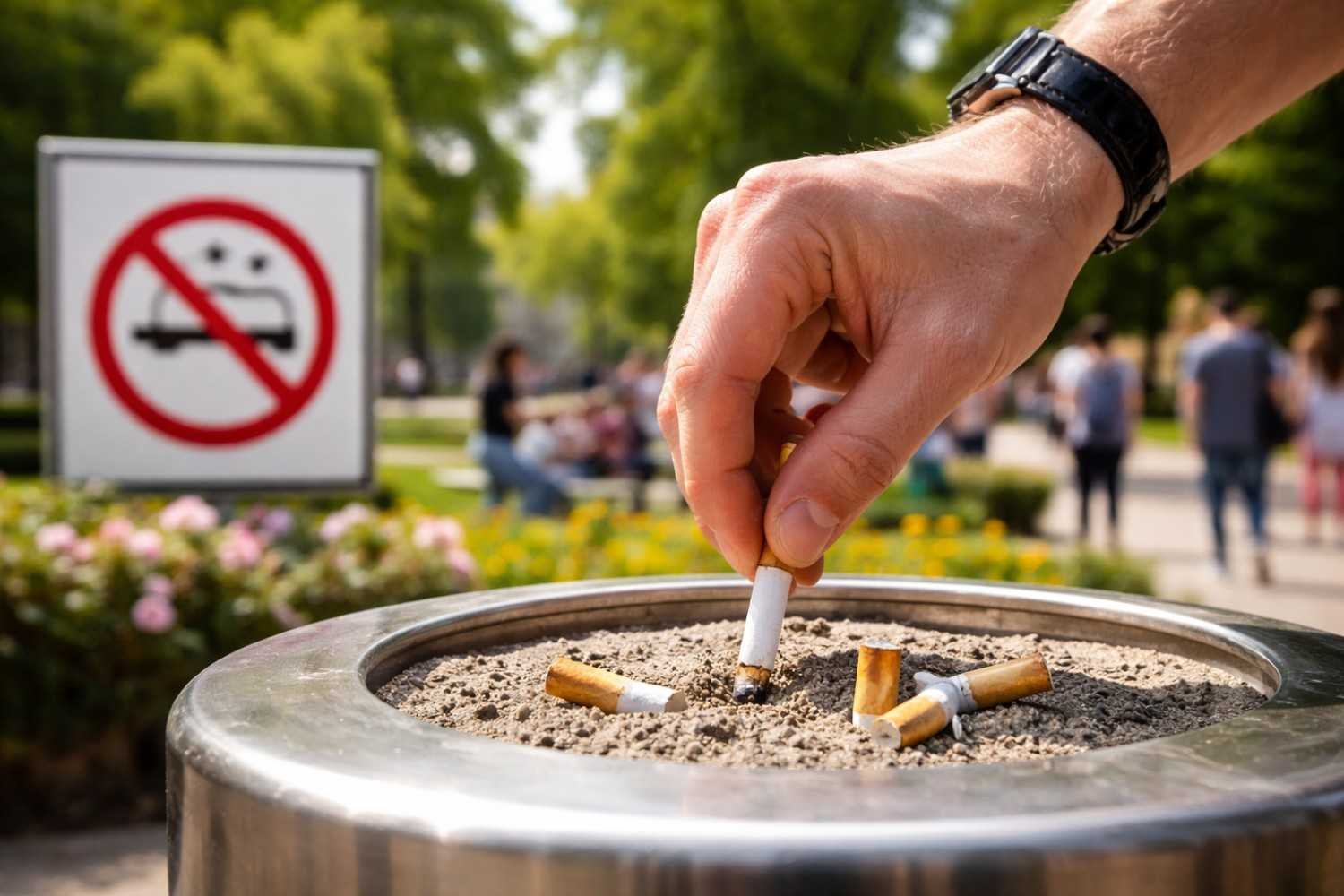
Australia leads the world in tobacco control, with strict laws designed to protect public health and reduce second-hand smoke exposure. These regulations stem from decades of evidence-based policy, including the landmark 1986 report from the Australian Government that highlighted smoking’s deadly toll, over 15,000 deaths annually from tobacco-related diseases. Today, every state and territory enforces comprehensive smoking bans in public spaces, from bustling city sidewalks to serene beaches. Whether you are a smoker seeking clarity or a business owner ensuring compliance, understanding these rules is essential. This guide breaks down the nationwide framework, state-specific variations, penalties, and practical tips to navigate them confidently.
The National Foundation: Smoke-Free Legislation Across Australia
At the federal level, Australia sets a strong precedent through the Public Health (Tobacco and Other Products) Act 2023, which prohibits smoking in federally regulated areas like airports and some national parks. However, the real enforcement happens at the state and territory level, where laws align with World Health Organisation recommendations to create smoke-free environments.
All jurisdictions ban smoking in enclosed public places, such as restaurants, bars, shopping centres, and public transport. This includes workplaces, hospitals, and schools; spaces where vulnerable groups like children and those with respiratory conditions gather. Open-air bans extend further, covering patrolled beaches, playgrounds, and sports grounds. For instance, data from the Australian Institute of Health and Welfare shows these measures have slashed adult smoking rates from 24% in 1995 to under 10% in 2023, proving their effectiveness in curbing harm.
These laws are not arbitrary. They reflect rigorous scientific consensus: the Royal Australasian College of Physicians endorses them, citing studies that link second-hand smoke to 500 annual deaths in non-smokers. Enforcement relies on authorised officers, including police and council inspectors, who prioritise education before fines.
State-by-State Breakdown: Key Bans and Exceptions
Australia’s federated system means nuances exist across states, but the core principle remains consistent: prioritise community well-being.
In New South Wales, the Smoke-free Environment Act 2000 bans smoking within 4 meters of entrances, dining areas, and public transport stops. Sydney’s iconic beaches, like Bondi, prohibit it entirely during patrol hours to safeguard swimmers and families.
Victoria goes further under the Public Health and Wellbeing Act 2008, extending bans to e-cigarettes in outdoor dining zones and within 4 meters of playgrounds. Melbourne’s cafe culture thrives smoke-free, with hefty fines deterring violations.
Queensland’s Tobacco and Other Smoking Products Act 1998 covers 81 outdoor public areas, including stadiums and markets. The Gold Coast’s theme parks and foreshores are fully protected.
South Australia mirrors this via the Tobacco Products Regulation Act 1997, banning smoking at all public events and within 10 meters of children’s play spaces. Adelaide’s festivals operate without tobacco haze.
Western Australia enforces the Tobacco Control Act 1994, prohibiting smoking in cars with children under 16, a forward-thinking measure backed by child health experts. Perth’s public pools and parks are off-limits.
Tasmania, under the Public Health Act 1997, bans it in all enclosed spaces and near hospitals. Hobart’s waterfront stays pristine.
The Northern Territory’s Tobacco Act 2013 and the Australian Capital Territory’s Public Health Act 2011 align similarly, with the ACT focusing on e-cigarette vapour in Canberra’s malls and universities.
Exceptions are narrow: designated outdoor smoking zones at some licensed venues, but these shrink yearly as vaping alternatives gain traction. Always check signage; local councils update rules via apps like the Quitline tracker.
Penalties and Enforcement: What Happens If You Light Up?
Ignorance is no defence. Fines start at $220 for individuals in NSW and climb to $1,769 for repeat offences or businesses failing to display no-smoking signs. Queensland levies up to $3,064 for smoking near children. Police can issue on-the-spot infringements, and courts handle egregious cases.
Businesses face steeper consequences: a Melbourne cafe caught allowing smoking could pay $19,000. Compliance tools, like the Australian Government’s Tobacco Control Laws database, help owners stay ahead. Humane enforcement emphasises warnings first; over 80% of first-time cases result in education, per state health reports.
Health Rationale and Broader Impacts
These bans save lives. Cancer Council Australia reports a 30% drop in heart attack hospitalisations post-implementation, thanks to cleaner air. They also normalise smoke-free norms, aiding quit attempts, 1.7 million Australians have quit since 2018.
For smokers, options abound: nicotine replacement therapies, Quitline (13 7848), and vape regulations under the Therapeutic Goods Administration. Vaping faces parallel restrictions in public, promoting safer alternatives.
Designated Areas and Alternatives for Smokers
Few spots remain: some pub beer gardens or remote parks, but urban smokers often head home or to private property. Portable ashtrays encourage responsible disposal.
Staying Compliant: Practical Tips for Everyone
Check state health websites before events. Use apps like Smoke-Free AUS for real-time maps. Businesses: train staff and post clear signs.
In navigating Australia’s smoke-free landscape, resources like Cigarettes Australia offer compliant options for those transitioning. Ultimately, partnering with trusted providers such as My Cigs Australia ensures access to quality alternatives while respecting these vital public health protections.