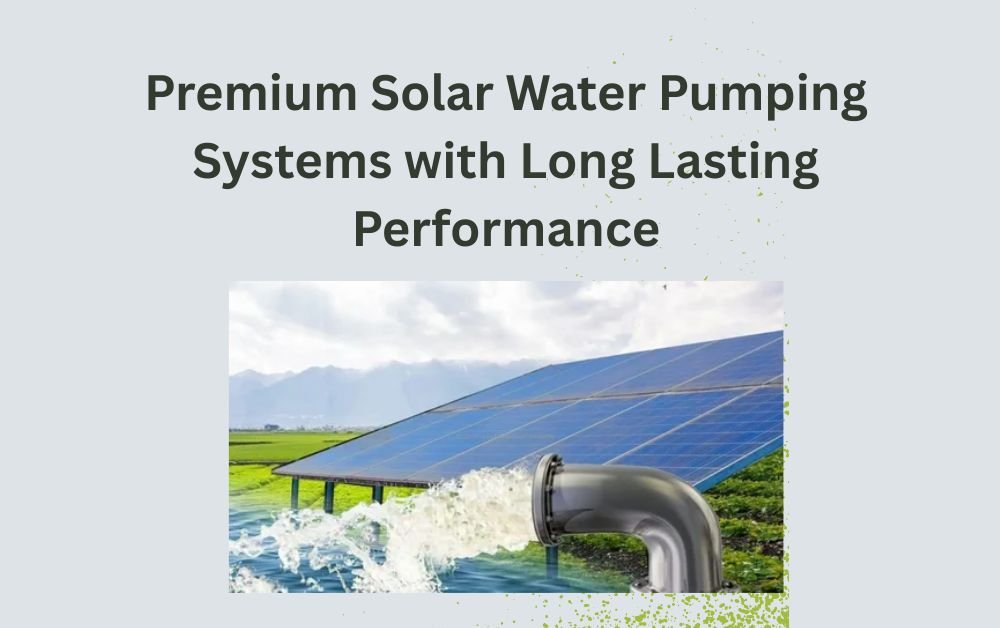
Water is one of the most important resources for life, farming, and business. In many areas, getting a steady water supply can be a challenge. Electricity cuts, high fuel costs, and remote locations often make traditional water pumps difficult to use. This is where premium solar water pumping systems make a big difference.
Solar water pumping systems use sunlight to power pumps. They provide a clean, cost-saving, and long-term solution for water supply. In this blog, we will explain everything in simple and clear language so everyone can understand how these systems work and why they are a smart choice.
Understanding Premium Solar Water Pumping Systems
Note : Solar Water Pumping Systems were installed to provide reliable water supply for farms, homes, and commercial sites. Clean energy was used to reduce fuel costs and improve efficiency. Long lasting performance was achieved with quality equipment. Contact Tamgo Tanzania Limited today for trusted solar water solutions.
Before choosing any system, it is important to understand what it is and how it works.
What Is a Solar Water Pumping System?
A solar water pumping system uses solar panels to generate electricity from sunlight. This electricity runs a water pump that draws water from wells, boreholes, rivers, or storage tanks.
The main parts of the system include:
- Solar panels
- Pump controller
- Water pump
- Mounting structure
- Pipes and cables
These parts work together to move water without using fuel or grid electricity.
What Makes a System “Premium”?
A premium system offers better quality, stronger materials, and longer life. It is built to perform well even in tough weather conditions.
Premium systems usually provide:
- High efficiency solar panels
- Durable pumps made from strong materials
- Smart controllers for better performance
- Long service life
- Low maintenance needs
This means fewer breakdowns and better results over many years.
How Solar Water Pumping Systems Work
The working process is simple and easy to understand.
Solar Panels Capture Sunlight
Solar panels collect sunlight during the day. They convert sunlight into electricity through solar cells.
The stronger the sunlight, the more electricity is produced. This electricity flows to the controller.
Controller Manages Power Supply
The controller regulates the electricity before sending it to the pump. It protects the pump from voltage changes and ensures smooth operation.
Some advanced controllers also:
- Adjust pump speed
- Protect against dry running
- Improve energy efficiency
Pump Draws and Moves Water
The pump uses electricity from the panels to lift water from the source. The water is then stored in tanks or sent directly for use.
This process continues as long as sunlight is available.
Benefits of Premium Solar Water Pumping Systems
Solar water pumps offer many advantages compared to traditional diesel or electric pumps.
Reduced Operating Costs
One of the biggest benefits is cost savings. Solar energy is free. Once the system is installed, there are no fuel expenses.
There is also no need to pay high electricity bills. Over time, this saves a lot of money.
Long Lasting Performance
Premium systems are designed for long-term use. Strong materials and smart technology help them last for many years.
With proper maintenance, a good solar water pumping system can work efficiently for 15 to 25 years.
Low Maintenance Requirements
Unlike diesel pumps, solar systems have fewer moving parts. This means fewer breakdowns.
There is no need for:
- Fuel refilling
- Oil changes
- Regular engine servicing
Simple cleaning of panels and basic checks are usually enough.
Environment Friendly Solution
Solar water pumps do not produce smoke or noise. They do not pollute the air.
Using solar energy helps reduce carbon emissions and protects the environment.
Applications of Solar Water Pumping Systems
Solar water pumping systems can be used in many sectors.
Agriculture and Irrigation
Farmers use solar pumps to irrigate crops. Water can be supplied during the day without worrying about fuel costs.
Solar irrigation helps:
- Increase crop production
- Reduce farming expenses
- Improve water management
It is especially useful in rural areas where grid power is not reliable.
Livestock Water Supply
Solar pumps provide water for animals in farms and open fields. They work well in remote areas where electricity is not available.
Residential Water Supply
Homes in villages and remote areas use solar pumps for daily water needs. It ensures steady water without depending on the main grid.
Commercial and Community Projects
Schools, hospitals, and community centers also benefit from solar water pumping systems. They provide reliable water supply for daily use.
Types of Solar Water Pumps
Choosing the right pump depends on the water source and requirement.
Surface Solar Pumps
Surface pumps are used when the water source is shallow, such as ponds or tanks.
They are easy to install and suitable for small farms or homes.
Submersible Solar Pumps
Submersible pumps are placed inside deep wells or boreholes. They are designed to lift water from greater depths.
They are ideal for:
- Deep water sources
- Large farms
- High water demand areas
Premium submersible pumps are built with stainless steel to resist rust and damage.
Factors That Ensure Long Lasting Performance
To get the best results, some important factors must be considered.
Proper System Design
The system must be designed based on:
- Water depth
- Daily water requirement
- Sunlight availability
- Pump capacity
A correctly designed system performs better and lasts longer.
Quality Installation
Professional installation ensures safety and efficiency. Panels should be placed at the correct angle to receive maximum sunlight.
Proper wiring and mounting reduce the risk of damage.
Regular Cleaning and Basic Maintenance
Solar panels should be cleaned regularly to remove dust and dirt. Dirty panels reduce performance.
Simple inspections of cables and pipes help avoid small problems from becoming bigger issues.
Comparing Solar Pumps with Diesel Pumps
Understanding the difference helps in making the right decision.
Fuel Savings
Diesel pumps require constant fuel supply. Fuel prices can increase over time.
Solar pumps use free sunlight. After installation, operating costs are very low.
Noise and Pollution
Diesel pumps are noisy and produce smoke. Solar pumps operate quietly and cleanly.
Long-Term Investment
While solar pumps may have higher initial cost, they provide long-term savings and better reliability.
Over several years, solar systems often become more cost-effective.
The Future of Solar Water Pumping
Solar technology continues to improve. Modern systems are more efficient and affordable than before.
Government support and awareness are also increasing. Many regions now promote solar irrigation and water supply projects.
As energy costs rise, more people are shifting toward renewable energy solutions. Solar water pumping systems are becoming a smart and reliable choice for long-term water management.
Conclusion
Premium Tamgo Tanzania Limited provide a reliable, cost-saving, and eco-friendly solution for water supply. They reduce fuel costs, require less maintenance, and deliver long lasting performance.
Whether for farming, homes, livestock, or community use, solar pumps offer steady water without depending on unstable electricity or expensive fuel. With proper design and installation, these systems can serve for many years.
For more insightful articles related to this topic, feel free to visit todayigosolar