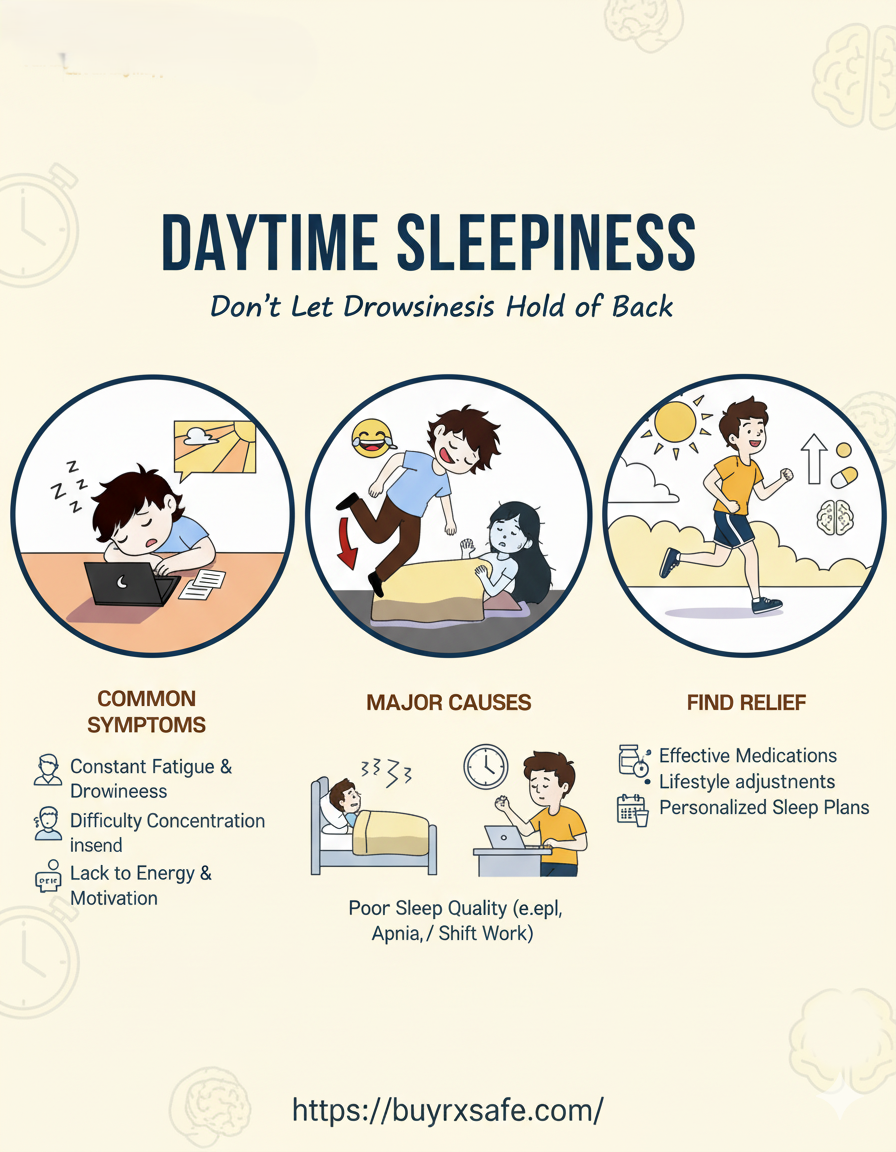
Narcolepsy is a chronic neurological disorder that affects the brain’s ability to regulate sleep-wake cycles—individuals with narcolepsy experience excessive daytime sleepiness and other disruptive symptoms that can significantly impact daily life. While there’s no cure, effective treatments are available to manage symptoms and improve quality of life.
Understanding Narcolepsy
The following primary symptoms characterize narcolepsy:
- Excessive Daytime Sleepiness (EDS): The hallmark of narcolepsy, EDS leads to an overwhelming daytime sleepiness, often resulting in sudden sleep episodes.
- Cataplexy: Sudden muscle weakness or paralysis triggered by strong emotions, such as laughter or surprise.
- Sleep Paralysis: Temporary inability to move or speak while falling asleep or waking up.
- Hypnagogic Hallucinations: Vivid, often frightening dreams or sensations occurring during the transition between wakefulness and sleep.
- Disrupted Nighttime Sleep: Frequent nighttime awakenings, leading to fragmented sleep.
Diagnosing Narcolepsy
Diagnosis typically involves a combination of clinical evaluation, sleep history, and specialized tests:
- Polysomnography (PSG): An overnight sleep study that monitors brain waves, oxygen levels, heart rate, and breathing.
- Multiple Sleep Latency Test (MSLT): A daytime nap study that measures how quickly a person falls asleep in a quiet environment during the day.
- HLA Typing: A blood test to check for the presence of specific genetic markers associated with narcolepsy.
Treatment Options for Narcolepsy
Medications
While there’s no cure for narcolepsy, several medications can help manage symptoms:
- Stimulants: Medications such as modafinil (Provigil) and armodafinil (Nuvigil) promote wakefulness and are commonly prescribed to treat excessive daytime sleepiness.
- Sodium Oxybate: Approved for treating cataplexy and excessive daytime sleepiness, sodium oxybate helps regulate sleep patterns.
- Antidepressants: Certain antidepressants can help manage symptoms like cataplexy and hallucinations.
- Pitolisant: A newer medication that increases histamine levels in the brain, promoting wakefulness.
Lifestyle Modifications
Incorporating certain habits can significantly alleviate symptoms:
- Scheduled Naps: Short, regular naps can help manage daytime sleepiness.
- Consistent Sleep Schedule: Going to bed and waking up at the same time every day helps regulate the sleep-wake cycle.
- Physical Activity: Regular exercise can improve overall sleep quality and reduce daytime sleepiness.
- Avoiding Stimulants: Limiting caffeine and alcohol intake, especially before bedtime, can enhance sleep quality.
Modvigil 200: A Promising Treatment Option
Modvigil 200 is a generic version of modafinil, a wakefulness-promoting agent used to treat excessive daytime sleepiness associated with narcolepsy. It works by altering brain neurotransmitters to promote wakefulness. Patients have reported significant improvements in alertness and a reduction in sleep episodes. However, it’s essential to consult a healthcare provider before starting any new medication.
Managing Narcolepsy in Different Countries
Australia
In Australia, narcolepsy is recognized as a serious medical condition. Treatment options are available through the public healthcare system, and specialists prescribe medications like modafinil. Patients can access support groups and resources to help manage the condition.
China
In China, narcolepsy is less commonly diagnosed, but awareness is increasing. Treatment options are available in major cities, and patients are encouraged to seek care from sleep specialists.
Denmark
Denmark has a well-established healthcare system that provides comprehensive care for individuals with narcolepsy. Medications and support services are readily accessible.
France
France has been at the forefront of narcolepsy research and treatment. Medications like modafinil were first developed there, and patients have access to a wide range of treatment options.
Conclusion
Narcolepsy is a complex condition that requires a multifaceted approach to management. With the right combination of medications and lifestyle adjustments, individuals with narcolepsy can lead fulfilling lives. It’s crucial to work closely with healthcare providers to develop a personalized treatment plan.
If you’re considering treatment options like Modvigil 200, consult with a healthcare professional to determine the best course of action for your specific needs.