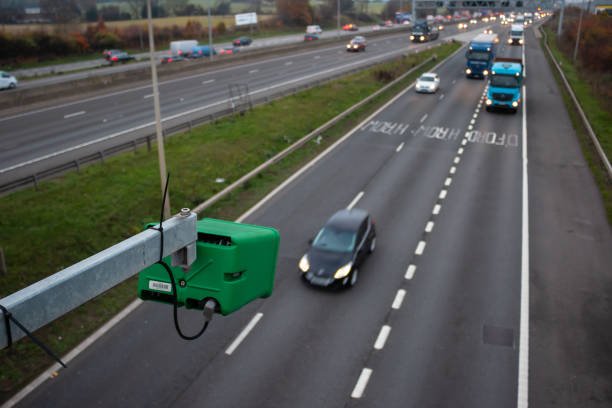
Modern cities are evolving at a rapid pace, and efficient traffic management is a key indicator of their progress. As urban environments become more complex, authorities require stronger, faster, and more reliable tools to regulate vehicle movement. This is where an intelligent number plate recognition system emerges as a game-changing technology. Powered by artificial intelligence and advanced imaging, these systems offer unmatched accuracy in identifying vehicles, enforcing traffic rules, and enhancing road safety.
From smart mobility to law enforcement and urban governance, number plate recognition has become a foundational component of next-generation transportation infrastructure. It eliminates human error, improves monitoring efficiency, and helps cities respond proactively to traffic challenges. This article explores how these systems work, their real-world applications, and why they are instrumental in shaping smarter roads.
Understanding the Number Plate Recognition System
A number plate recognition system, also known as Automatic Number Plate Recognition (ANPR), uses high-resolution cameras and AI algorithms to automatically scan, detect, and interpret vehicle license plates. The system captures vehicle images, processes them in real time, and extracts critical information such as plate number, state code, and vehicle category.
The core components include:
- High-speed cameras capable of capturing images under low light, fog, or high-speed motion
- AI-driven Optical Character Recognition (OCR) engines that read characters from license plates
- Processing units that match plate numbers with databases
- Cloud or on-premise servers for data storage, analytics, and integration
- Dashboards for enforcement officers or traffic operators
Such a holistic combination of hardware and software empowers cities to handle massive vehicle volumes while minimizing operational challenges.
Why Number Plate Recognition Systems Are Transforming Traffic Ecosystems
Cities across the world deploy number plate recognition systems for multiple reasons:
1. Automated Traffic Violations Detection
These systems detect violations such as speeding, signal jumping, wrong-side driving, and unauthorized parking. Instead of depending on manual patrolling, authorities now rely on automated evidence with timestamps and images.
2. Enhanced Law Enforcement
Police departments use ANPR to track stolen vehicles, intercept vehicles on “hot lists,” and monitor suspicious movement.
3. Improved Toll Collection and Smart Mobility
The rise of FASTag-based tolling has increased the adoption of ANPR systems to validate entries and reduce fraud.
4. Better Urban Planning
Real-time data generated by these systems helps authorities analyze trends, reduce congestion, and improve road infrastructure planning.
AI for Traffic Regulation
One of the most significant advancements integrated into the number plate recognition system is the incorporation of AI for traffic regulation technologies that streamline traffic regulation. Modern AI algorithms not only read number plates but also provide actionable insights such as:
- Vehicle density estimation
- Speed profiling across lanes
- Identification of traffic rule violations
- Predictive analytics for congestion management
- Automated alerts for enforcement officers
AI-driven traffic regulation ensures faster decision-making and helps maintain smooth traffic flow even during peak hours. With consistent data patterns, cities can modify signal timings, improve sign placements, and redesign road geometry to enhance mobility.
AI has transformed ANPR from a simple identification tool into a comprehensive traffic intelligence system, making roads more predictable, responsive, and safe for everyone.
How Intelligent Number Plate Recognition Systems Reshape Smart Cities
Smart cities leverage the power of digital technology to improve public services. ANPR systems play an important role by contributing to broader goals such as safety, mobility, sustainability, and governance.
1. Improved Traffic Flow
Real-time vehicle identification helps optimize traffic signals, reroute congested zones, and ensure smoother traffic movement.
2. Smart Parking Management
The system verifies vehicle entry and exit times at parking zones, calculates charges, and detects unauthorized or overstayed vehicles.
3. Transparent Enforcement
Clear image-based evidence supports fair traffic enforcement and minimizes disputes.
4. Increased Safety
ANPR assists in identifying over-speeding or rash driving vehicles, helping authorities intervene before accidents occur.
5. Better Emergency Response
During emergencies, identifying and clearing routes for ambulances or fire vehicles becomes much easier with real-time traffic surveillance.
Top Companies Providing Number Plate Recognition Systems
Several global and national companies specialize in ANPR technology, offering reliable systems for governments and private organizations. Here are some of the leading companies known for high-quality solutions in number plate recognition systems:
- Vehant – A leading Indian technology provider offering advanced ANPR systems, traffic enforcement tools, and smart mobility solutions designed for high accuracy and efficiency
- Bosch – Known for robust traffic monitoring and video analytics technologies
- Hikvision – Offers AI-powered surveillance systems that integrate ANPR features
- NEC Corporation – Specialized in smart city infrastructure and intelligent surveillance solutions
- Siemens Mobility – Provides high-end traffic management and automated enforcement technologies
These companies deliver cutting-edge solutions that cater to both urban governance and large-scale mobility management.
The Role of Data Analytics in ANPR Systems
Modern ANPR solutions are not limited to capturing number plates—they also generate meaningful analytics that help authorities and businesses improve decision-making. Examples include:
- Peak and off-peak vehicle volumes
- Categorization of commercial vs. non-commercial vehicles
- Identification of routes with high violation frequency
- Predictive modelling of congestion patterns
Such data-driven insights help policymakers design safer and more efficient transport networks.
Challenges and Future Prospects
While the benefits are extensive, there are certain challenges associated with implementing a number plate recognition system:
- Variations in license plate fonts and designs
- Poor lighting or extreme weather conditions
- High vehicle speeds on expressways
- Privacy concerns regarding data storage
However, advancements in AI, deep learning, and machine vision continue to reduce these limitations. Future ANPR systems will likely feature:
- More accurate multi-lane detection
- Faster OCR models
- Integration with vehicle telematics
- Enhanced predictive analytics
- Real-time cross-border vehicle tracking
Smart cities of the future will rely heavily on ANPR to streamline mobility and enhance citizen safety.
Conclusion
A number plate recognition system is no longer just an optional technological tool—it is a critical necessity for modern urban life. With rising vehicle populations and increasing road safety challenges, authorities require intelligent, automated solutions to maintain order and ensure efficient traffic management.
From AI-driven traffic regulation to automated enforcement and urban mobility planning, ANPR systems provide invaluable support in building smarter, safer, and more efficient roads. With leading companies such as Vehant driving innovations in this space, the future of traffic technology looks promising and transformative.
By investing in advance number plate recognition systems today, cities can take a major step toward creating better transportation ecosystems for generations to come.