Size Is Only the Starting Point
The most noticeable difference between SUVs and sedans is size, but square footage alone doesn’t tell the whole story.
SUVs have more exterior surface area, taller panels, roof rails, and larger wheels. Sedans, while smaller, often have tighter curves and lower clearances that require more precision during polishing and cleaning.
A personal observation from years in the field: sedan owners often assume their cars will be easier and quicker to detail, while SUV owners expect everything to take twice as long. In reality, each has areas that slow the process in different ways.
Exterior Detailing Differences
From an exterior perspective, SUVs typically take longer to detail simply because there’s more vehicle to cover. Roofs are higher and harder to access, and vertical panels tend to collect road grime more aggressively.
Common SUV exterior challenges include:
- Roofs that are rarely washed properly
- Rear hatch areas exposed to exhaust residue
- Larger wheels with heavier brake dust
- Plastic cladding that stains and fades
Sedans, on the other hand, usually have:
- Lower profiles that are easier to wash
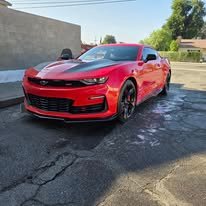
- More complex curves that require careful polishing
- Tighter spaces around bumpers and trim
While sedans may be quicker to wash, achieving uniform polishing results on their body lines often requires more finesse.
Paint Correction: Height vs. Curves
Paint correction highlights one of the biggest differences between SUVs and sedans.
SUVs often have flatter, more vertical panels. These can be easier to correct consistently, but their height introduces ergonomic challenges. Reaching roofs and upper panels safely takes extra time and equipment.
Sedans tend to have more sculpted panels. Those curves can make defect removal more complex, especially on darker colors where uneven correction shows quickly.
In practical terms, SUVs require more physical movement and setup time, while sedans demand more precision per square inch.
Interior Space and Usage Patterns
Interior detailing is where SUVs and sedans truly diverge.
SUV interiors are larger, deeper, and more varied. Third-row seating, cargo areas, and fold-down configurations introduce additional surfaces that need attention. These areas often collect dirt unnoticed until a deep detail is performed.
SUV interiors commonly deal with:
- Heavily soiled cargo areas
- Pet hair embedded in carpets
- Sand and debris trapped in rear rows
- Scuffed plastic from loading gear
Sedan interiors are more compact but not necessarily easier. Tight footwells, lower seats, and limited access can slow down thorough cleaning. Stains and debris tend to concentrate in smaller areas, requiring careful extraction.
Insider Tip: Cargo Areas Tell the Real Story
One insider insight is that an SUV’s cargo area often reveals how the vehicle is truly used. Even well-maintained SUVs frequently have neglected trunks that haven’t been properly cleaned in years.
Addressing these areas takes time, but it also delivers the most noticeable improvement. For many SUV owners, the cargo space ends up being the most satisfying part of the detail once it’s restored.
Family Use vs. Commuter Use
Usage patterns also influence detailing differences.
SUVs are often family vehicles. That means spills, crumbs, fingerprints, and frequent contact points. Interior detailing tends to focus on restoration rather than light maintenance.
Sedans are more commonly commuter vehicles. Their interiors may be cleaner overall but show wear in high-contact areas like steering wheels, seat bolsters, and center consoles.
Neither vehicle type is “easier.” They’re just worn in different ways.
Time Expectations and Planning
From a time perspective, SUVs generally take longer to detail than sedans when receiving the same level of service. More space means more cleaning, more drying, and more inspection.
However, a neglected sedan can easily take longer than a well-maintained SUV. Condition matters more than body style.
According to detailing professionals who regularly work on a wide range of vehicles, setting expectations based on vehicle use—not just size—leads to better outcomes. Guidance such as this reference on car detailing pasadena explains why understanding vehicle type and condition is key to planning effective detailing work.
Insider Tip: Maintenance Habits Matter More on SUVs
Another non-obvious insight is that maintenance habits have a greater impact on SUVs over time.
Because SUVs have more interior space and exterior surface area, small lapses in maintenance compound quickly. Missed washes lead to heavier buildup, and ignored interiors become more labor-intensive to restore.
Sedans tend to show wear faster visually, which often prompts owners to address issues earlier.
Equipment and Technique Adjustments
Detailing SUVs often requires different tools and approaches. Step stools, extended brushes, and larger vacuum attachments are common necessities. Polishing tall panels also requires careful body positioning to avoid uneven pressure.
Sedans, while smaller, demand precision tools for tight areas and careful lighting to inspect curved panels properly.
A skilled detailer adapts technique based on vehicle type rather than applying a one-size-fits-all approach.
Protection Considerations
Protection strategies differ slightly between SUVs and sedans.
SUVs benefit from durable protection on lower panels, rear hatches, and cargo areas where wear is highest. Interior protection is especially valuable for family use.
Sedans often benefit from focused protection on paint surfaces and high-contact interior areas. Because they’re usually driven more frequently but carry fewer passengers, wear patterns are more predictable.
Real-World Results
Some of the most dramatic detailing transformations come from SUVs. Restoring a neglected family vehicle can make it feel usable again. Sedans, however, often deliver the most refined visual results after correction due to their proportions and design.
Both reward proper detailing, just in different ways.
A Practical Wrap-Up
SUVs and sedans may share the road, but they don’t share the same detailing needs. SUVs demand more time, broader coverage, and attention to utility-focused areas. Sedans require precision, finesse, and careful handling of tighter spaces.
The key is understanding how each vehicle is used and adjusting expectations accordingly. When detailing is tailored to the vehicle type, results last longer and feel more meaningful.
Also read for more information so click here.