
Modern agriculture depends heavily on water management to ensure high crop yields and sustainable farming practices. Efficient irrigation systems are a critical component of this process. However, designing, installing, and maintaining these systems requires careful planning and oversight. This is where irrigation construction management plays a vital role. By managing every stage of irrigation projects, from planning to execution, farmers and agricultural organizations can ensure their systems operate efficiently and deliver consistent results.
Proper irrigation management is not just about supplying water to crops; it involves understanding soil types, field layouts, crop needs, and local water availability. Without professional irrigation construction management, irrigation systems may face issues such as uneven water distribution, equipment failures, and excessive water use, all of which can affect crop health and farm productivity.
Understanding Irrigation Construction Management
Irrigation construction management is the process of planning, coordinating, and supervising the installation of irrigation systems. It covers every stage of an irrigation project, including design, procurement of materials, installation, and quality assurance. The goal is to create a system that delivers water efficiently, reduces waste, and supports long-term farm sustainability.
This management process often involves collaboration between engineers, project managers, contractors, and farm operators. Each party ensures that the irrigation system is installed correctly, operates efficiently, and meets the specific needs of the farm.
Planning and Design
One of the most critical aspects of irrigation construction management is the planning and design phase. During this stage, experts assess the farm’s terrain, soil type, water sources, and crop requirements. They determine the best irrigation method, whether it is drip irrigation, sprinkler systems, or surface irrigation.
Accurate planning helps prevent future problems such as waterlogging, dry patches, or inefficient water use. Proper design also considers long-term factors such as potential expansion, climate conditions, and water conservation practices. By investing in professional design and planning, farmers can save time and money in the long run.
Efficient Water Use
Water is a limited and valuable resource, especially in regions prone to drought. Poorly managed irrigation systems can waste significant amounts of water and increase operational costs. Irrigation construction management ensures that water is used efficiently by installing systems that deliver precise amounts to crops based on their needs.
Advanced irrigation technologies, such as automated sprinklers and smart sensors, can be integrated during construction to optimize water usage. Managers ensure that the system distributes water evenly and reduces runoff or evaporation. Efficient water use not only supports crop growth but also helps farmers meet environmental sustainability goals.
Cost Control and Resource Management
Large-scale irrigation projects involve significant investment in equipment, materials, and labor. Effective irrigation construction management helps control costs by ensuring proper resource allocation and preventing delays or errors during construction.
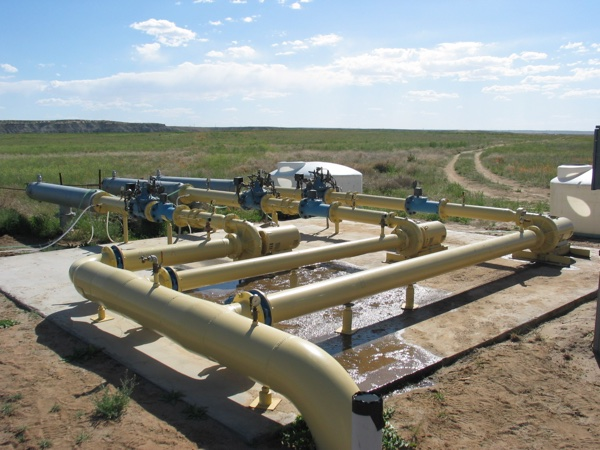
By planning each stage carefully, managers can avoid unnecessary expenses such as over-purchasing materials or redoing poorly installed components. They also monitor the project timeline to ensure it is completed on schedule, reducing labor costs and preventing crop damage due to delayed irrigation.
Quality Assurance and System Longevity
An irrigation system is only as good as its installation and maintenance. Poor construction can lead to leaks, equipment malfunctions, and uneven water distribution. Irrigation construction management focuses on quality assurance throughout the project. This includes inspecting materials, verifying installation techniques, and testing system performance before full operation.
High-quality construction increases the system’s lifespan and reduces the need for frequent repairs. Farmers benefit from a reliable irrigation system that consistently supports crop growth over multiple seasons.
Adapting to Modern Technology
Modern agriculture increasingly relies on technology for precision farming. Smart irrigation systems can monitor soil moisture, weather conditions, and crop needs in real-time. Effective irrigation construction management ensures that these technologies are integrated properly during the construction phase.
Managers oversee the installation of sensors, controllers, and automated valves, ensuring that they work correctly with the physical irrigation infrastructure. Proper integration allows farmers to make data-driven decisions, improving water efficiency and overall farm productivity.
Supporting Sustainable Agriculture
Sustainability is a growing concern in agriculture. Overuse of water and inefficient irrigation methods can harm the environment and deplete resources. Irrigation construction management plays a key role in supporting sustainable farming practices.
By designing systems that optimize water use, prevent soil erosion, and reduce energy consumption, managers help farms operate responsibly. Sustainable irrigation also contributes to long-term productivity, ensuring that fields remain fertile and crops continue to thrive year after year.
Risk Management and Problem Prevention
Irrigation projects involve many potential risks, including equipment failure, soil instability, and unexpected weather events. Irrigation construction management helps identify these risks early and implements strategies to mitigate them. This may involve selecting durable materials, designing for slope stability, or planning backup water sources.
By addressing potential problems before they occur, managers reduce downtime, protect crops, and ensure continuous operation throughout the growing season.
Enhancing Farm Productivity
Ultimately, the primary goal of irrigation construction management is to enhance farm productivity. A well-designed and properly installed irrigation system ensures crops receive the right amount of water at the right time. Healthy crops grow more uniformly, leading to higher yields and better quality produce.
By optimizing water delivery and reducing operational challenges, irrigation management allows farmers to focus on other aspects of farm management, improving overall efficiency.
Conclusion
Irrigation is a cornerstone of modern agriculture, and its success depends heavily on proper construction and management. Irrigation construction management ensures that irrigation systems are planned, installed, and maintained to deliver water efficiently, support sustainable practices, and maximize farm productivity.
From careful planning and design to cost control, quality assurance, and integration with modern technologies, professional management of irrigation projects provides long-term benefits. Farms that invest in expert irrigation construction management can expect healthier crops, efficient water use, and reliable performance for years to come. In today’s competitive agricultural environment, effective irrigation management is not just an advantage it is essential.