
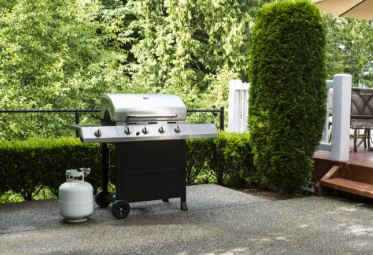
Gas barbecues have become a popular choice for outdoor cooking enthusiasts due to their convenience, speed, and consistent heat output. Unlike traditional charcoal grills, gas barbecues offer precise temperature control and easy ignition, making them ideal for busy households and backyard gatherings. However, one of the most important components of a gas barbecue is the gas bottle, which stores and supplies the fuel that powers the grill. Choosing the right type of gas bottle can significantly impact your grilling experience, safety, and convenience.
In this article, we will explore the pros and cons of different gas barbecue bottle types, helping you make an informed decision for your outdoor cooking setup.
1. Propane Gas Bottles
Propane is one of the most commonly used fuels for gas barbecues. It is stored as a liquid under pressure in metal cylinders and vaporizes into gas when released.
Pros:
- High Energy Content: Propane provides a high heat output, making it perfect for searing meats and cooking at high temperatures.
- Wide Availability: Propane bottles are available at hardware stores, gas stations, and specialty suppliers, making refills convenient.
- Versatile: Propane works well in all types of gas barbecues, including portable grills, freestanding units, and large outdoor setups.
- Long Shelf Life: When stored properly, propane bottles can last for years without losing fuel quality.
Cons:
- Heavier Weight: Propane cylinders are heavier than some other gas options, which can make them less convenient for portable grills.
- Temperature Sensitivity: Propane pressure can drop in extremely cold weather, reducing grill performance.
- Cost: Propane bottles and refills can be more expensive compared to alternatives like butane.
Best Use:
Propane bottles are ideal for frequent grillers, large backyard barbecues, and situations where consistent high heat is needed.
2. Butane Gas Bottles
Butane is another popular fuel type, often found in smaller, portable gas bottles. It is commonly used for tabletop grills and camping stoves.
Pros:
- Lightweight and Portable: Butane bottles are smaller and lighter than propane, making them perfect for portable grills and outdoor trips.
- Easy to Replace: Many supermarkets and convenience stores carry small butane canisters, making them easy to purchase on the go.
- Good for Mild Cooking: Butane provides sufficient heat for light grilling and slow-cooked dishes.
Cons:
- Lower Energy Output: Butane burns at a lower temperature than propane, which may not be ideal for high-heat cooking like searing steaks.
- Cold Weather Limitation: Butane does not vaporize well in temperatures below 0°C (32°F), making it unreliable in winter or cold climates.
- Shorter Supply: Small butane canisters run out quickly, especially if you are cooking for a large group.
Best Use:
Butane bottles are perfect for camping, picnics, or small balcony barbecues where portability is a priority over high heat.
3. Disposable Gas Bottles
Disposable gas bottles, often made from aluminum or thin steel, are designed for single-use or short-term applications. These are usually filled with propane or butane.
Pros:
- Convenience: Disposable bottles require no return or exchange; you simply use and dispose of them safely.
- Lightweight: They are easy to carry and ideal for on-the-go grilling or outdoor events.
- Affordable for Short-Term Use: For occasional barbecues, disposable bottles can be cost-effective.
Cons:
- Environmental Impact: Frequent disposal of bottles can contribute to waste and pollution.
- Limited Capacity: Disposable bottles hold less gas, meaning you may need multiple units for longer cooking sessions.
- Cost Over Time: If you barbecue frequently, continually buying disposable bottles can become more expensive than refillable options.
Best Use:
Disposable gas bottles are best for one-time events, camping trips, or situations where carrying a heavy, refillable cylinder is impractical.
4. Refillable Gas Bottles
Refillable gas bottles are made of durable materials such as steel or aluminum and can be refilled with propane or butane at a local gas supplier.
Pros:
- Cost-Effective: Refill costs are lower than buying multiple disposable bottles, making them ideal for regular grillers.
- Durable: Refillable bottles are built to last, often for decades, if maintained properly.
- Eco-Friendly: Reducing disposable bottle waste helps protect the environment.
- Variety of Sizes: Refillable bottles come in multiple sizes, giving users flexibility depending on grill size and cooking frequency.
Cons:
- Initial Investment: The upfront cost of a refillable bottle is higher than disposable options.
- Requires Storage: Proper storage is necessary to ensure safety and prevent leaks.
- Refilling Logistics: You need access to a gas refill station, which may not be convenient in remote areas.
Best Use:
Refillable bottles are perfect for homeowners with regular grilling habits, backyard parties, or anyone who prioritizes sustainability and long-term savings.
5. Composite Gas Bottles
Composite gas bottles are a modern innovation made from lightweight composite materials such as fiberglass or carbon fiber, often wrapped around a polymer lining. They are designed to be safer, lighter, and corrosion-resistant compared to traditional steel bottles.
Pros:
- Lightweight: Composite bottles are significantly lighter than steel bottles, making them easier to handle.
- Transparent or Semi-Transparent: Many models allow you to see the gas level, reducing the risk of running out mid-cook.
- Safe and Durable: Resistant to corrosion and impact, composite bottles are a safer alternative to metal cylinders.
- Environmentally Friendly: Some composite bottles are refillable and recyclable, reducing waste.
Cons:
- Higher Cost: Composite bottles are more expensive upfront than standard steel bottles.
- Limited Availability: Not all suppliers carry composite bottles, and refilling options may be restricted.
- Compatibility Issues: Some older grills may not fit the connection system of composite bottles without adapters.
Best Use:
Composite bottles are ideal for grillers who value convenience, safety, and portability, especially in areas with high humidity or outdoor exposure.
6. Specialty Gas Bottles (For LPG Mixes)
Some gas bottles contain specialty LPG (liquefied petroleum gas) mixes, which can include propane, butane, or other hydrocarbons to optimize performance under different conditions.
Pros:
- Custom Performance: Certain LPG blends provide stable pressure in cold weather, ensuring reliable grill operation.
- Flexibility: Designed to be compatible with various barbecue models and settings.
- Energy Efficiency: Specialty mixes may burn more efficiently, giving you longer cooking time per bottle.
Cons:
- Higher Cost: Specialty gas blends are usually more expensive than standard propane or butane bottles.
- Limited Supply: Not every store stocks these blends, making refills less convenient.
- Complexity: Grillers need to ensure the blend is compatible with their barbecue to avoid safety hazards.
Best Use:
Specialty gas bottles are best for serious barbecue enthusiasts who require optimal performance in varied climates or specialized cooking applications.
Key Considerations When Choosing a Gas Bottle
When deciding on a gas bottle for your barbecue, several factors should guide your choice:
- Frequency of Use: Frequent grillers benefit from refillable bottles, while occasional users may prefer disposable options.
- Portability: For camping or small outdoor events, lightweight butane or composite bottles are more convenient.
- Climate Conditions: Butane performs poorly in cold weather, whereas propane remains reliable.
- Cost and Budget: Refillable bottles save money over time, but disposable bottles are cheaper initially.
- Safety: Always check the integrity of the bottle, proper valve operation, and ensure correct storage to prevent leaks and accidents.
- Capacity Needs: Consider the cooking duration and frequency to select a bottle size that minimizes interruptions during barbecuing.
Conclusion
Choosing the right gas barbecue bottle is essential for a safe, convenient, and enjoyable grilling experience. Each type—propane, butane, disposable, refillable, composite, and specialty LPG—has its own advantages and limitations. Propane bottles are powerful and reliable for backyard barbecues, while butane excels in portability. Disposable bottles offer convenience, whereas refillable bottles are cost-effective and eco-friendly. Composite bottles combine safety and lightweight design, and specialty LPG bottles provide optimized performance in challenging conditions.
Understanding these pros and cons ensures that you select the gas bottle that matches your lifestyle, cooking habits, and environmental preferences. Whether you are a casual griller enjoying summer weekends or a barbecue enthusiast hosting large gatherings, the right gas bottle can make all the difference in achieving the perfect outdoor cooking experience.