
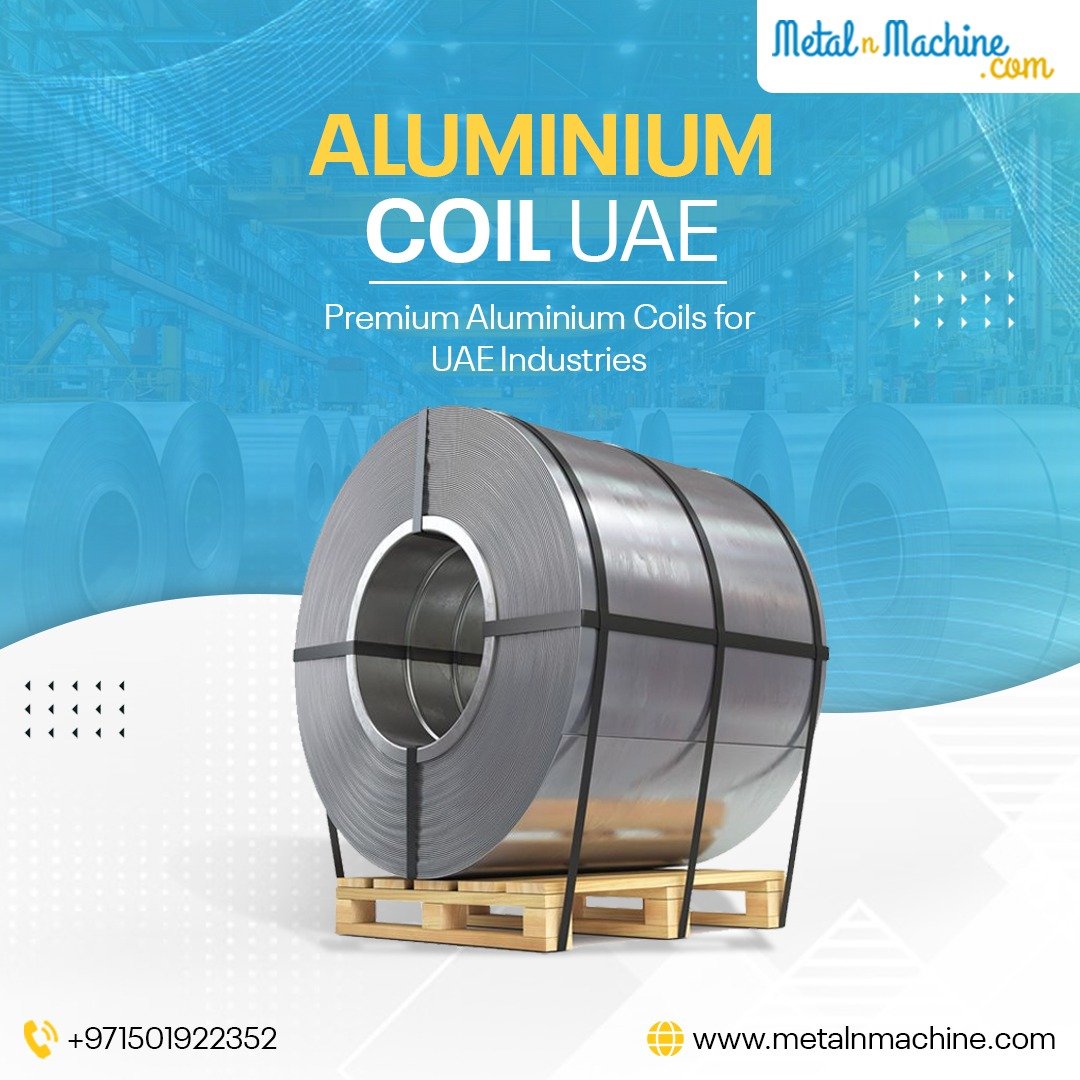
The United Arab Emirates has established itself as one of the most ambitious construction markets in the world, and at the heart of this transformation is a material that combines performance with versatility. Aluminium fabrication in UAE construction has grown exponentially over the past two decades, driven by rapid urbanisation, mega-infrastructure projects, and an unwavering commitment to architectural excellence. From the glittering skyline of Dubai to the ambitious development corridors of Abu Dhabi, aluminium has become an indispensable building material.
Whether used in curtain wall systems, structural cladding, or complex roofing assemblies, fabricated aluminium delivers the perfect balance of strength, lightweight design, and corrosion resistance. As the UAE continues to invest in world-class commercial, industrial, and residential developments, understanding where and why aluminium fabrication is applied gives engineers, architects, and developers a sharper competitive edge.
Why Aluminium Dominates the UAE Construction Landscape
The UAE’s extreme climate — characterised by intense heat, high coastal humidity, and abrasive sandstorms — demands building materials that can endure without compromising aesthetics. Aluminium meets this challenge better than most metals. Its natural oxide layer provides outstanding resistance to corrosion, making it ideal for both coastal and inland environments. Unlike steel, it does not rust; unlike timber, it does not warp, rot, or harbour microbial growth.
From a structural perspective, aluminium offers an exceptional strength-to-weight ratio. It is roughly one-third the weight of steel, which significantly reduces load on building foundations and simplifies on-site logistics. This characteristic also makes it a favoured choice in pre engineered steel building UAE projects, where speed of assembly and material efficiency are paramount.
Sustainability adds another compelling dimension. Aluminium is 100% recyclable without any loss of quality, aligning with the UAE’s national green construction agenda and its commitment to the UAE Net Zero by 2050 strategy. Projects seeking LEED or Estidama certification routinely specify aluminium as a core part of their material strategy.
Key Applications of Aluminium Fabrication in UAE Construction
The scope of aluminium use across the UAE’s built environment is remarkably broad. The following are the primary areas where fabricated aluminium consistently delivers measurable value.
1. Curtain Wall and Facade Systems
Aluminium curtain wall systems are arguably the most visible application in UAE construction. These non-load-bearing exterior wall assemblies use aluminium framing to hold glass panels, composite cladding, or stone inserts. They provide thermal insulation, weather resistance, and design flexibility that no other material can replicate at scale.
Fabricators across the UAE produce custom extrusions and panel profiles that accommodate irregular building geometries — a common requirement given the region’s creative architectural ambitions. Thermally broken aluminium frames have become increasingly standard, reducing heat transfer and contributing to energy-efficient building envelopes compliant with UAE building regulations and green building codes.
2. Roofing and Canopy Structures
Aluminium standing seam roofing systems are widely used across commercial and industrial developments throughout the UAE. Their ability to accommodate thermal expansion, shed water efficiently, and resist UV degradation makes them particularly suited to the region’s intense solar environment.
In industrial and logistics facilities — including the large warehousing and free-zone developments common across Dubai, Sharjah, and Ras Al Khaimah — lightweight aluminium roofing complements pre-engineered steel structures, reducing overall building weight while maintaining structural integrity. Fabricated aluminium canopies and shading structures are also a staple of retail developments, transit hubs, and public infrastructure projects.
3. Doors, Windows, and Glazing Systems
Aluminium-framed doors and windows represent one of the highest-volume applications in UAE construction. Their dimensional stability ensures that frames do not warp or expand excessively even when summer temperatures routinely exceed 45°C. Double-glazed and triple-glazed aluminium window systems are now standard practice in both residential and commercial developments, directly addressing cooling energy consumption — one of the largest operational costs for UAE building owners.
Sliding, folding, and pivot door systems fabricated from aluminium are also popular in luxury residential projects, particularly across villa communities in Abu Dhabi, Dubai Hills, and other premium developments where indoor-outdoor living is a design priority.
4. Industrial and Structural Applications
Beyond aesthetics, fabricated aluminium plays a critical structural role in UAE construction. Aluminium space frames and truss systems are used in large-span roof structures such as exhibition halls, sports arenas, and airport terminals. These systems allow architects to achieve dramatic column-free interior spaces that define contemporary civic architecture across the region.
In industrial construction, aluminium is also applied to walkways, elevated platforms, handrail systems, and equipment enclosures. Its non-sparking properties are particularly valued in petrochemical and manufacturing facilities, where fire safety standards are stringent and compliance is non-negotiable.
How Aluminium Fabrication Complements Pre-Engineered Steel Buildings in the UAE
The rapid growth of the pre engineered steel building sector in the UAE has created a natural and highly efficient partnership with aluminium fabrication. Pre-engineered steel buildings — popular for warehouses, factories, showrooms, and distribution centres — provide the primary structural framework, which is then enclosed and finished using aluminium cladding, roofing, and glazing systems.
This combination allows developers to achieve fully functional, weather-tight, and aesthetically refined buildings within accelerated construction timelines. The compatibility between aluminium secondary components and steel primary frames has been refined by UAE fabricators into a streamlined supply chain that minimises material waste and reduces installation time.
Major industrial zones including Dubai Industrial City, KIZAD in Abu Dhabi, and Hamriyah Free Zone have embraced this integrated approach extensively. The result is cost-effective construction that satisfies fire safety requirements, thermal performance targets, and load-bearing standards — all within frameworks approved by UAE municipal authorities.
Emerging Trends Shaping Aluminium Fabrication in the UAE
The aluminium fabrication industry across the UAE is continuously evolving. Key trends currently reshaping how the material is specified and deployed include:
- Digital fabrication and CNC precision: Advanced CNC machining allows fabricators to produce highly complex profiles with tight tolerances, enabling increasingly ambitious architectural geometries.
- Thermally broken profiles: Growing awareness of building energy performance has driven widespread adoption of thermally broken aluminium systems that incorporate a non-conductive barrier to reduce thermal bridging.
- Powder coating and anodising innovation: Broader colour palettes, wood-effect finishes, and textured surfaces give architects greater creative freedom without sacrificing long-term durability.
- Integration with smart building systems: Aluminium facades are increasingly designed to accommodate photovoltaic panels, sensor arrays, and automated shading mechanisms — directly supporting the UAE’s smart city vision.
- Recycled aluminium content: Environmental procurement policies in major UAE developments are beginning to specify minimum recycled content, encouraging fabricators to adopt greener and more circular sourcing practices.
Conclusion
Aluminium fabrication in UAE construction has evolved from a supplementary finish material into a foundational component of the built environment. Its applications span curtain walls, roofing, structural frames, glazing systems, and industrial infrastructure — each delivering specific performance benefits that align with the country’s demanding climate, evolving regulatory standards, and aspirational design culture.
As the construction sector continues to expand — driven by post-Expo developments, giga-projects, and sustained population growth — demand for high-quality aluminium fabrication will only intensify. Whether integrated into landmark towers, pre-engineered industrial facilities, or sustainable mixed-use communities, fabricated aluminium remains central to how the UAE continues to build boldly and intelligently.
For architects, engineers, and developers operating in this market, a thorough understanding of aluminium fabrication’s capabilities, applications, and emerging technologies is not merely advantageous — it is essential to delivering projects that meet the expectations of one of the world’s most ambitious construction environments.
Frequently Asked Questions (FAQ)
Q1: What makes aluminium fabrication particularly suitable for UAE construction?
Aluminium is naturally corrosion-resistant, lightweight, and thermally stable — qualities that suit the UAE’s extreme heat, coastal humidity, and UV intensity. It maintains structural integrity and aesthetic finish over decades with minimal maintenance, making it one of the most reliable and widely specified building materials across the region’s commercial, residential, and industrial sectors.
Q2: How does aluminium fabrication integrate with pre-engineered steel buildings in the UAE?
Fabricated aluminium components — including wall cladding, roofing sheets, fascia, and glazing systems — are commonly used as secondary enclosure elements on pre-engineered steel frames. This combination delivers fast, cost-efficient, and durable construction widely adopted across UAE industrial zones, free zones, and large-scale logistics developments.
Q3: Is aluminium a sustainable choice for construction projects in the UAE?
Yes. Aluminium is 100% recyclable without quality loss, making it one of the most environmentally sound metals for construction. UAE green building programmes such as Estidama and LEED regularly specify aluminium for its recycled content potential, long service life, and contribution to reduced operational energy consumption through thermally efficient systems.
Q4: What are thermally broken aluminium profiles and why are they important in the UAE?
Thermally broken aluminium profiles incorporate a non-conductive polyamide barrier within the frame to reduce heat transfer between interior and exterior surfaces. In the UAE, where cooling costs are significant, these profiles substantially improve building energy efficiency and are increasingly required under UAE Green Building Regulations and Specifications for commercial and premium residential projects.
