Introduction
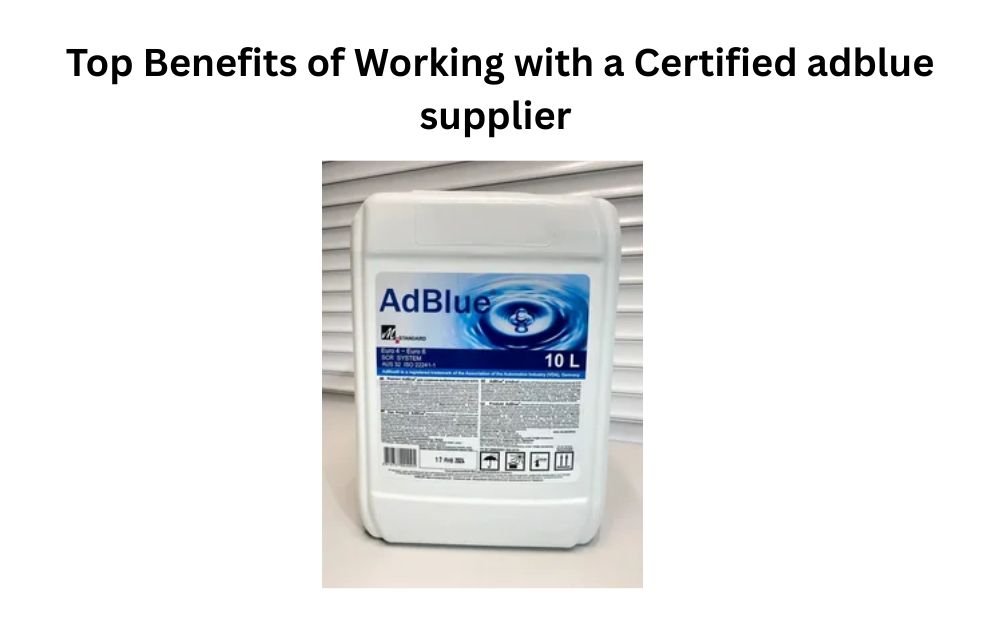
If you run trucks, buses, construction machines, or farm equipment, you already know how important fuel quality is. But today, fuel is not the only thing that matters. Modern diesel vehicles also need AdBlue to reduce harmful emissions and meet environmental rules.
Finding the right AdBlue supplier is not just about price. It is about quality, regular supply, proper storage, and trusted service. In this detailed guide, we will explain everything in simple English. You will understand what AdBlue is, why it is important, how it works, and how to choose the right supplier for your business.
Note :- Looking for a trusted adblue supplier for your vehicles or business? We provide high-quality AdBlue that helps reduce harmful emissions and keeps your diesel engines running smoothly. Our product meets industry standards and is suitable for trucks, buses, generators, and commercial fleets.
What Is AdBlue?
AdBlue is a clear liquid used in diesel vehicles that have Selective Catalytic Reduction (SCR) systems. It is not a fuel. It is not a fuel additive. It is a separate fluid stored in a different tank in the vehicle.
AdBlue is made of:
- 32.5% high-purity urea
- 67.5% deionized water
This mixture helps reduce harmful gases from diesel engines.
Why AdBlue Is Important for Diesel Vehicles
Modern diesel engines are designed to meet strict emission rules. Governments around the world want to reduce pollution. Diesel engines produce nitrogen oxides (NOx), which are harmful to the environment and human health.
AdBlue helps reduce these harmful gases.
When AdBlue is injected into the exhaust system:
- It reacts with NOx gases.
- It turns them into nitrogen and water vapor.
- These are harmless and safe for the environment.
Without AdBlue, vehicles with SCR systems will not work properly. In many vehicles, the engine will not start if the AdBlue tank is empty.
How the SCR System Works
To understand the role of an AdBlue supplier, you should know how the SCR system works.
Step 1: Diesel Engine Produces Exhaust Gases
When diesel burns, it produces exhaust gases. These gases contain nitrogen oxides (NOx).
Step 2: AdBlue Is Injected
AdBlue is sprayed into the exhaust stream before it reaches the catalytic converter.
Step 3: Chemical Reaction Happens
Inside the SCR catalyst, AdBlue breaks down into ammonia. The ammonia reacts with NOx gases.
Step 4: Harmful Gases Turn Into Safe Gases
The reaction converts NOx into:
- Nitrogen
- Water vapor
This process reduces pollution and helps vehicles meet emission standards.
Who Needs an AdBlue Supplier?
An AdBlue supplier is important for many industries.
Transport and Logistics Companies
Truck fleets use a large amount of AdBlue every month. A regular and reliable supply is very important for smooth operations.
Construction Companies
Heavy machines like excavators and loaders use diesel engines with SCR systems. These machines need AdBlue daily.
Agriculture Sector
Tractors and harvesters also require AdBlue to meet emission standards.
Bus Operators
Public and private buses need constant AdBlue supply to avoid downtime.
Fuel Stations
Many petrol pumps sell AdBlue to retail customers. They need bulk supply from trusted suppliers.
Why Choosing the Right AdBlue Supplier Matters
Not all suppliers offer the same quality and service. Choosing the wrong supplier can create many problems.
1. Quality Problems
If AdBlue is not pure, it can damage the SCR system. Poor quality AdBlue can:
- Block injectors
- Damage sensors
- Reduce engine performance
- Increase repair costs
Always choose a supplier that follows ISO standards.
2. Supply Delays
If your supplier cannot deliver on time, your vehicles may stop running. This can cause:
- Delivery delays
- Business losses
- Customer complaints
A good supplier ensures regular and timely delivery.
3. Storage Issues
AdBlue must be stored properly. It is sensitive to:
- Extreme heat
- Direct sunlight
- Contamination
A professional AdBlue supplier provides proper storage tanks and guidance.
What to Look for in an AdBlue Supplier
Choosing the right partner is very important. Here are the main things to check.
Quality Certification
Always check if the supplier follows ISO 22241 standards. This standard ensures:
- Correct urea concentration
- High purity
- Safe handling
Never compromise on quality.
Bulk Supply Options
A good supplier should offer:
- IBC tanks (1000 liters)
- Bulk tankers
- Drums
- Small cans for retail
This helps you choose what suits your business.
On-Time Delivery
Ask these questions:
- Do they have a delivery schedule?
- Do they offer emergency supply?
- Do they have local storage?
Reliable delivery saves your business from downtime.
Competitive Pricing
Price is important, but it should not be the only factor. Compare:
- Quality
- Delivery speed
- Storage support
- After-sales service
Choose value over just low price.
Technical Support
A professional AdBlue supplier should guide you on:
- Proper storage
- Handling methods
- Tank cleaning
- Shelf life
Good support reduces mistakes and losses.
How AdBlue Should Be Stored
Correct storage is very important to maintain quality.
Temperature Control
AdBlue should be stored between:
- -5°C to 25°C
If frozen, it can thaw and still work. But too much heat can reduce quality.
Avoid Contamination
AdBlue must not come in contact with:
- Dirt
- Dust
- Fuel
- Oil
- Tap water
Even small contamination can damage vehicle systems.
Use Proper Containers
Only use containers made for AdBlue. They should be:
- Clean
- Sealed
- Non-metallic or stainless steel
Your AdBlue supplier should provide approved storage tanks.
Shelf Life of AdBlue
AdBlue does not last forever.
- At proper temperature, it can last up to 12 months.
- At higher temperatures, shelf life reduces.
Always check the manufacturing date. A reliable AdBlue supplier will provide fresh stock.
Benefits of Working With a Professional AdBlue Supplier
Partnering with a trusted supplier gives many benefits.
Smooth Business Operations
Regular supply means no vehicle downtime.
Cost Savings
Buying in bulk reduces per-liter cost.
Reduced Maintenance
High-quality AdBlue protects SCR systems.
Environmental Compliance
You stay compliant with emission laws.
Peace of Mind
You focus on business while the supplier manages supply.
Common Problems Caused by Low-Quality AdBlue
Using poor-quality AdBlue can create serious issues.
Injector Blockage
Impurities can block the injection system.
Sensor Failure
SCR sensors are sensitive. Contaminated fluid can damage them.
Warning Lights
Dashboard warning lights may appear.
Engine Shutdown
Some vehicles stop working if the system detects a problem.
Repairing SCR systems can be very expensive. That is why choosing the right AdBlue supplier is very important.
How to Build a Long-Term Relationship With Your AdBlue Supplier
A strong business relationship brings stability.
Communicate Your Monthly Usage
Share your average consumption. This helps the supplier plan better.
Plan for Seasonal Demand
If your business has peak seasons, inform your supplier in advance.
Regular Tank Cleaning
Follow supplier advice for tank cleaning schedules.
Sign a Supply Contract
Long-term contracts often give better pricing and priority delivery.
Questions to Ask Before Choosing an AdBlue Supplier
Before making a decision, ask these questions:
- Do you follow ISO 22241 standards?
- How often do you test product quality?
- What packaging options do you offer?
- What is your delivery time?
- Do you provide storage tanks?
- Do you offer emergency supply?
Clear answers show professionalism.
Future Demand for AdBlue
The demand for AdBlue is growing because:
- More vehicles use SCR systems.
- Emission rules are becoming stricter.
- Governments are focusing on clean air.
Businesses that depend on diesel engines will continue to need reliable AdBlue supply.
This makes choosing a trusted AdBlue supplier even more important for long-term growth.
Retail vs Bulk AdBlue Supply
There are two main ways to buy AdBlue.
Retail Purchase
- Small cans
- Higher price per liter
- Good for individual vehicle owners
Bulk Purchase
- Tanker delivery
- Lower cost per liter
- Best for fleet owners and industries
If you manage many vehicles, bulk supply is usually more cost-effective.
Environmental Benefits of Using AdBlue
Using AdBlue helps:
- Reduce harmful emissions
- Improve air quality
- Support environmental goals
- Protect public health
By working with a professional AdBlue supplier, your business supports cleaner transportation.
Final Thoughts: Choose the Right AdBlue Supplier for Long-Term Success
AdBlue is not just another fluid. It is an important part of modern diesel vehicles. Without it, engines cannot meet emission standards. Without proper quality, it can damage expensive systems.