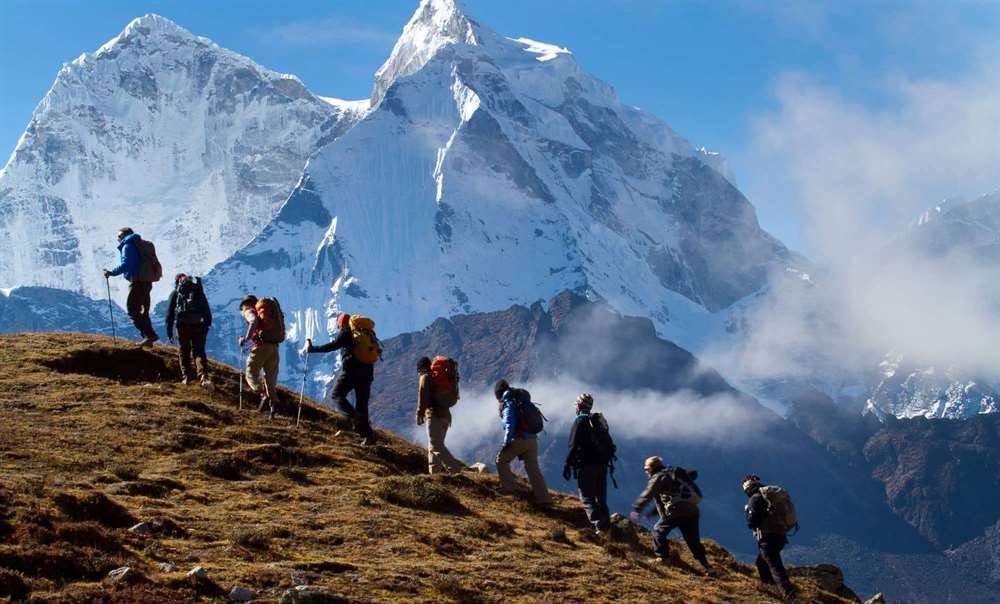
Unlike casual hikes, a trekking expedition demands preparation, endurance, and a spirit of adventure. It’s a test of physical stamina and mental resilience, but also a celebration of landscapes, cultures, and the human spirit. Trekking expeditions are immersive, multi-day journeys that take you deep into the heart of nature—far beyond the reach of roads, cities, and everyday distractions.
Whether you’re crossing glacial passes in the Himalayas, tracing ancient trade routes in the Andes, or exploring rainforests in Southeast Asia, trekking expeditions offer a unique way to connect with the world—and with yourself.
🧭 What Defines a Trekking Expedition?
A trekking expedition typically involves:
- Multi-day duration: Ranging from 3 days to several weeks
- Remote terrain: Often in high-altitude, forested, or mountainous regions
- Camping or homestays: Nights are spent in tents, lodges, or local homes
- Physical challenge: Requires moderate to high fitness levels
- Cultural immersion: Often passes through indigenous or rural communities
Unlike mountaineering, trekking doesn’t require technical climbing skills or equipment, but it does demand preparation, acclimatization, and respect for nature.
🌍 Popular Trekking Expedition Destinations
1. Himalayas (India, Nepal, Bhutan)
- Notable Treks: Goechala (Sikkim), Markha Valley (Ladakh), Annapurna Circuit (Nepal), Snowman Trek (Bhutan)
- Highlights: High-altitude passes, Buddhist monasteries, glacial lakes, panoramic peaks
The Himalayas are the ultimate playground for trekkers, offering everything from beginner-friendly trails to extreme expeditions above 5,000 meters.
2. Andes (Peru, Ecuador, Chile)
- Notable Treks: Inca Trail, Salkantay Trek, Quilotoa Loop
- Highlights: Ancient ruins, cloud forests, volcanoes, indigenous culture
The Andes combine rugged beauty with rich history, making them ideal for trekkers seeking both adventure and archaeology.
3. Alps (France, Switzerland, Italy)
- Notable Treks: Tour du Mont Blanc, Haute Route
- Highlights: Alpine meadows, glacial valleys, charming villages
The European Alps offer well-marked trails, cozy refuges, and breathtaking scenery—perfect for those who want challenge with comfort.
4. Africa (Morocco, Tanzania, Ethiopia)
- Notable Treks: Mount Kilimanjaro, Simien Mountains, Toubkal Circuit
- Highlights: Volcanic peaks, wildlife, desert landscapes
Africa’s trekking expeditions are as diverse as its geography, from snow-capped summits to savannah trails.
🥾 Types of Trekking Expeditions
1. High-Altitude Treks
- Examples: Everest Base Camp, Stok Kangri, Kilimanjaro
- Challenges: Thin air, cold temperatures, altitude sickness
- Preparation: Acclimatization days, fitness training, hydration
2. Jungle and Rainforest Treks
- Examples: Western Ghats (India), Amazon Basin, Borneo
- Challenges: Humidity, insects, dense vegetation
- Preparation: Lightweight gear, insect repellent, local guides
3. Desert Treks
- Examples: Thar Desert (India), Sahara (Morocco), Wadi Rum (Jordan)
- Challenges: Heat, dehydration, navigation
- Preparation: Sun protection, water planning, camel support
4. Glacier and Snow Treks
- Examples: Pin Parvati Pass, Chadar Trek, Icelandic Highlands
- Challenges: Ice crossings, cold exposure, crevasses
- Preparation: Crampons, layered clothing, experienced guides
🏕️ What to Expect on a Trekking Expedition
Daily Routine
- Morning: Wake up early, pack gear, breakfast
- Daytime: Trek 5–15 km depending on terrain
- Evening: Set up camp or reach homestay, dinner, rest
Accommodation
- Camping: Tents, sleeping bags, portable toilets
- Teahouses/Lodges: Basic rooms with shared facilities (common in Nepal, Himachal)
- Homestays: Cultural immersion with local families
Food
- Typical Meals: Rice, lentils, vegetables, noodles, eggs
- Hydration: Boiled or filtered water, electrolyte drinks
- Snacks: Energy bars, dry fruits, glucose
🎒 Essential Gear Checklist
- Trekking boots (broken-in)
- Backpack (50–70L)
- Sleeping bag (rated for temperature)
- Layered clothing (base, insulation, shell)
- Rain gear
- Trekking poles
- Headlamp
- Water bottles or hydration bladder
- First aid kit
- Sunscreen, sunglasses, hat
- Personal ID and permits
🛡️ Safety and Sustainability
Safety Tips
- Acclimatize properly to avoid AMS (Acute Mountain Sickness)
- Follow your guide’s instructions
- Stay hydrated and eat well
- Carry a basic medical kit
- Avoid trekking alone in remote areas
Sustainable Trekking
- Carry reusable water bottles and avoid plastic
- Stick to marked trails to prevent erosion
- Respect local customs and wildlife
- Support local economies by hiring guides and staying in homestays
🧘 The Transformational Power of Trekking
A trekking expedition is not just about reaching a destination—it’s about the journey. It teaches patience, resilience, and humility. It disconnects you from digital noise and reconnects you with nature and yourself. Many trekkers describe their expeditions as life-changing, offering clarity, confidence, and a renewed sense of purpose.
Final ThoughtsA trekking expedition is one of the most enriching ways to explore the world. Whether you’re navigating Himalayan passes, tracing ancient trails, or simply walking under a canopy of stars, each step brings you closer to nature, culture, and your own inner strength. It’s not just a trek—it’s a story you’ll carry for life.