
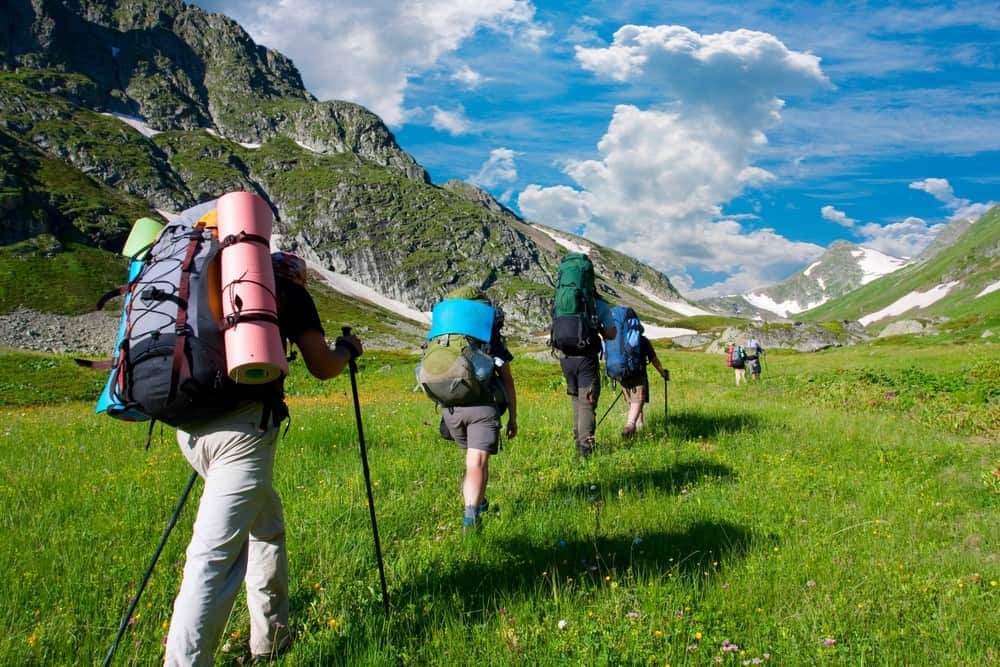
Whether you’re a beginner looking for short hikes or an experienced trekker aiming for high-altitude expeditions, trekking in India provides endless opportunities to explore nature, culture, and spirituality. India, with its diverse landscapes ranging from the mighty Himalayas to the lush Western Ghats, offers some of the most thrilling trekking experiences in the world. From snow-covered peaks and alpine meadows to tropical forests and desert trails, the country is a paradise for adventure seekers.
This guide explores the best trekking destinations in India, types of treks, cultural highlights, travel tips, and sample itineraries to help you plan an unforgettable adventure.
1. Why Choose Trekking in India?
- Diverse Terrain: India offers treks across mountains, forests, deserts, and coastal regions.
- Cultural Immersion: Treks often pass through villages, monasteries, and temples, offering insights into local traditions.
- Adventure & Challenge: From easy trails to challenging expeditions, treks cater to all skill levels.
- Natural Beauty: Snow peaks, glaciers, waterfalls, and wildlife enrich the trekking experience.
- Spiritual Connection: Many treks lead to sacred sites, combining adventure with spirituality.
2. Popular Trekking Regions in India
The Himalayas
- Highlights: The ultimate destination for trekking in India.
- States Covered: Jammu & Kashmir, Himachal Pradesh, Uttarakhand, Sikkim, Arunachal Pradesh.
- Experience: High-altitude treks, glaciers, monasteries, and breathtaking views of peaks like Kanchenjunga and Nanda Devi.
The Western Ghats
- Highlights: UNESCO World Heritage Site known for biodiversity.
- States Covered: Maharashtra, Kerala, Karnataka, Tamil Nadu.
- Experience: Tropical forests, waterfalls, spice plantations, and wildlife sanctuaries.
The Eastern Ghats
- Highlights: Less explored but equally captivating.
- States Covered: Andhra Pradesh, Odisha, Tamil Nadu.
- Experience: Rolling hills, tribal villages, and hidden waterfalls.
The Desert Trails
- Highlights: Unique trekking experiences in Rajasthan.
- Experience: Sand dunes, forts, and cultural immersion in desert villages.
Coastal Treks
- Highlights: Scenic trails along beaches and cliffs.
- States Covered: Goa, Karnataka, Kerala.
- Experience: Blend of sea views, fishing villages, and tropical landscapes.
3. Famous Treks in India
Roopkund Trek (Uttarakhand)
- Known as the “Mystery Lake” trek.
- Attractions: Skeleton Lake, alpine meadows, and snow peaks.
- Difficulty: Moderate to challenging.
Chadar Trek (Ladakh)
- A winter trek on the frozen Zanskar River.
- Attractions: Ice formations, caves, and unique landscapes.
- Difficulty: Challenging, requires endurance.
Valley of Flowers Trek (Uttarakhand)
- UNESCO World Heritage Site.
- Attractions: Colorful alpine flowers, Hemkund Sahib.
- Difficulty: Moderate, suitable for beginners.
Hampta Pass Trek (Himachal Pradesh)
- Connects Kullu Valley with Lahaul Valley.
- Attractions: Meadows, glaciers, and contrasting landscapes.
- Difficulty: Moderate.
Goecha La Trek (Sikkim)
- Offers views of Kanchenjunga.
- Attractions: Samiti Lake, rhododendron forests.
- Difficulty: Challenging.
Kedarkantha Trek (Uttarakhand)
- Popular winter trek.
- Attractions: Snow-covered peaks, campsites.
- Difficulty: Easy to moderate.
Sandakphu Trek (West Bengal)
- Highest point in West Bengal.
- Attractions: Views of Everest, Kanchenjunga, Lhotse, Makalu.
- Difficulty: Moderate.
Tarsar Marsar Trek (Jammu & Kashmir)
- Famous for alpine lakes.
- Attractions: Tarsar, Marsar, and Sundarsar lakes.
- Difficulty: Moderate.
Kudremukh Trek (Karnataka)
- Located in the Western Ghats.
- Attractions: Rolling hills, grasslands, and wildlife.
- Difficulty: Moderate.
Rajmachi Trek (Maharashtra)
- Popular weekend trek near Mumbai and Pune.
- Attractions: Forts, waterfalls, and lush greenery.
- Difficulty: Easy to moderate.
4. Types of Trekking in India
Short Weekend Treks
- Ideal for beginners and families.
- Examples: Triund (Himachal Pradesh), Rajmachi (Maharashtra).
High-Altitude Treks
- For experienced trekkers seeking adventure.
- Examples: Chadar, Goecha La, Roopkund.
Spiritual Treks
- Combine adventure with pilgrimage.
- Examples: Amarnath Yatra, Hemkund Sahib, Kedarnath.
Wildlife & Nature Treks
- Focus on biodiversity and eco-tourism.
- Examples: Periyar Tiger Reserve (Kerala), Shingba Rhododendron Sanctuary (Sikkim).
Winter Treks
- Snow-covered landscapes and campsites.
- Examples: Kedarkantha, Chadar, Brahmatal.
5. Cultural Highlights During Trekking in India
- Villages: Experience hospitality in Himalayan and tribal villages.
- Festivals: Local fairs and religious events enrich the journey.
- Cuisine: Regional dishes like momos, thukpa, dal baati churma, and coastal seafood.
- Handicrafts: Woolens, carpets, and traditional jewelry available in local markets.
6. Best Time for Trekking in India
- Summer (April – June): Ideal for Himalayan treks.
- Monsoon (July – September): Best for Western Ghats treks, though Himalayan treks may be risky.
- Autumn (September – November): Clear skies, perfect for photography and high-altitude treks.
- Winter (December – February): Snow treks like Kedarkantha and Chadar.
7. Travel Tips
- Book permits in advance for restricted areas like Sikkim and Ladakh.
- Carry warm clothes, especially for high-altitude treks.
- Stay hydrated and acclimatize properly to avoid altitude sickness.
- Respect local traditions at monasteries and cultural sites.
- Choose treks that match your fitness level.
8. Suggested 7-Day Trekking Itinerary (Himalayan Example)
Day 1: Arrival in Rishikesh – Orientation and gear check.
Day 2: Drive to base camp – Acclimatization walk.
Day 3: Trek to first campsite – Meadows and forests.
Day 4: Trek to high-altitude lake – Photography and exploration.
Day 5: Summit day – Reach the highest point of the trek.
Day 6: Descend to base camp – Relax and cultural immersion.
Day 7: Return to Rishikesh – Departure.
9. Economic Importance of Trekking in India
- Employment: Guides, porters, artisans, and hospitality workers benefit.
- Local Businesses: Handicraft shops, restaurants, and cultural performers thrive.
- Infrastructure Development: Roads, hotels, and facilities improve around trekking hubs.
- Government Revenue: Permits, entry fees, and tourism services generate income.
10. Future of Trekking in India
- Eco-Friendly Tourism: Promoting sustainable practices.
- Digital Integration: Online booking, virtual tours, and mobile apps.
- Luxury Expansion: More premium campsites and curated experiences.
- Global Promotion: Positioning India as a world-class trekking destination.
- Customized Packages: Tailoring itineraries for diverse travelers.
Conclusion
Trekking in India is more than just an adventure—it is a journey into the heart of nature, culture, and spirituality. From the icy trails of Ladakh to the lush forests of the Western Ghats, from sacred pilgrimages to thrilling expeditions, India offers treks that cater to every traveler’s dream.
For adventurers, trekking in India provides challenges and rewards. For communities, it brings economic growth and cultural exchange. For the nation, it strengthens India’s identity as a diverse and vibrant travel destination.
As India continues to embrace its natural beauty and cultural heritage, trekking will remain one of the most popular ways to explore this incredible land.