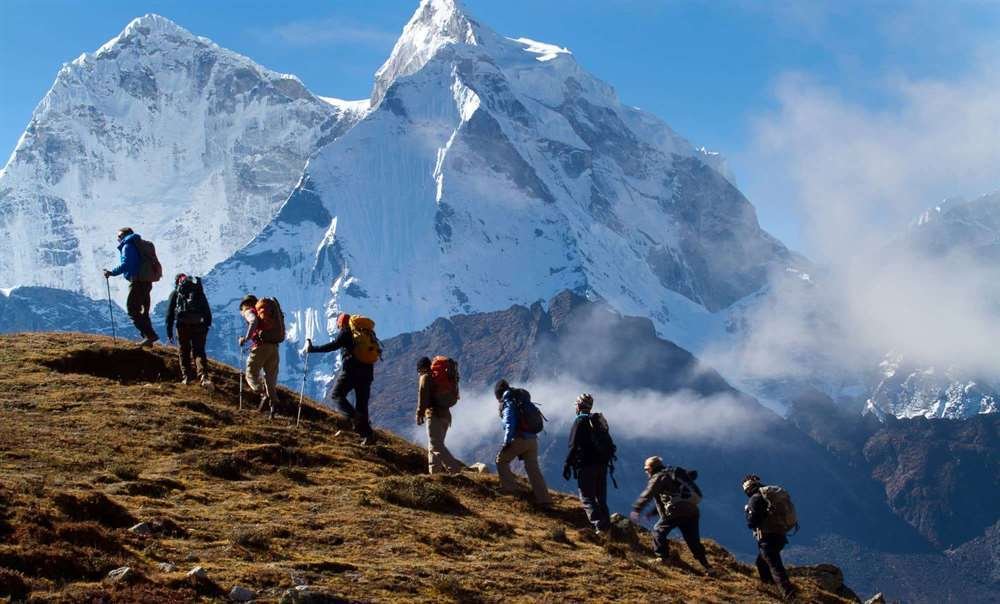
India is often celebrated for its cultural richness, but its natural landscapes are equally captivating. The trekking in India span snow‑clad Himalayan peaks, rolling meadows, dense forests, and coastal trails. Whether you’re a beginner seeking short hikes or an experienced trekker aiming for high‑altitude expeditions, India offers something for everyone. Trekking here is not just about adventure—it’s about connecting with nature, spirituality, and local traditions.
🏔️ Himalayan Treks
Ladakh
- Markha Valley Trek: Known for monasteries, rivers, and views of Kang Yatse peak.
- Chadar Trek: A winter trek across the frozen Zanskar River, unique and challenging.
Himachal Pradesh
- Hampta Pass Trek: Connects Kullu Valley with Lahaul, offering contrasting landscapes.
- Triund Trek: A short trek near Dharamshala, perfect for beginners.
Uttarakhand
- Valley of Flowers Trek: UNESCO World Heritage Site with rare alpine flora.
- Roopkund Trek: Famous for its mysterious “Skeleton Lake.”
- Kedarkantha Trek: Popular winter trek with snow‑covered campsites.
🌳 Western Ghats Treks
Karnataka
- Kudremukh Trek: Rolling hills resembling a horse’s face.
- Kodachadri Trek: Dense forests leading to a peak with panoramic views.
Kerala
- Chembra Peak Trek: Offers a heart‑shaped lake en route.
- Agasthyakoodam Trek: Rich in biodiversity, requires special permits.
🏞️ North‑East India Treks
- Dzongri Trek (Sikkim): Stunning views of Kanchenjunga.
- Dzukou Valley Trek (Nagaland): Famous for seasonal flowers and meadows.
- Sandakphu Trek (West Bengal): Offers views of Everest, Kanchenjunga, Lhotse, and Makalu.
🧭 Types of Treks in India
- Beginner Treks: Triund, Nag Tibba, Chembra Peak.
- Moderate Treks: Hampta Pass, Valley of Flowers, Dzongri.
- Challenging Treks: Chadar, Stok Kangri, Snowman Trek.
🎭 Cultural and Spiritual Dimension
Trekking in India often intertwines with spirituality:
- Char Dham Routes in Uttarakhand combine pilgrimage with mountain trails.
- Monastery treks in Ladakh and Sikkim blend adventure with Buddhist culture.
- Local homestays allow trekkers to experience traditional hospitality.
🏨 Accommodation and Logistics
- Camping: Common in Himalayan treks.
- Homestays: Popular in North‑East and Himachal.
- Eco‑lodges: Growing trend in Western Ghats.
- Permits: Required for restricted areas like Sikkim, Ladakh, and Agasthyakoodam.
📅 Best Time for Trekking
- Summer (April–June): Ideal for Himalayan treks.
- Monsoon (July–September): Best for Western Ghats and Valley of Flowers.
- Winter (December–February): Snow treks like Kedarkantha and Chadar.
✈️ Travel Tips
- Acclimatize properly for high‑altitude treks.
- Carry essentials: trekking shoes, layered clothing, first‑aid kit.
- Respect local customs and avoid littering.
- Book with certified trekking organizations for safety.
📈 Trekking and Tourism Economy
- Trekking supports local guides, porters, and homestays.
- Promotes eco‑tourism and conservation.
- Organizations like Indiahikes emphasize “Leave Mountains Better” initiatives.
📝 Conclusion
Trekking in India is more than an adventure—it’s a journey through diverse landscapes, cultures, and spiritual traditions. From the frozen rivers of Ladakh to the flower‑filled valleys of Uttarakhand, from the misty Western Ghats to the vibrant North‑East, India offers treks that transform lives. Whether you’re a beginner or a seasoned mountaineer, trekking here promises unforgettable experiences and a deeper connection with nature.