
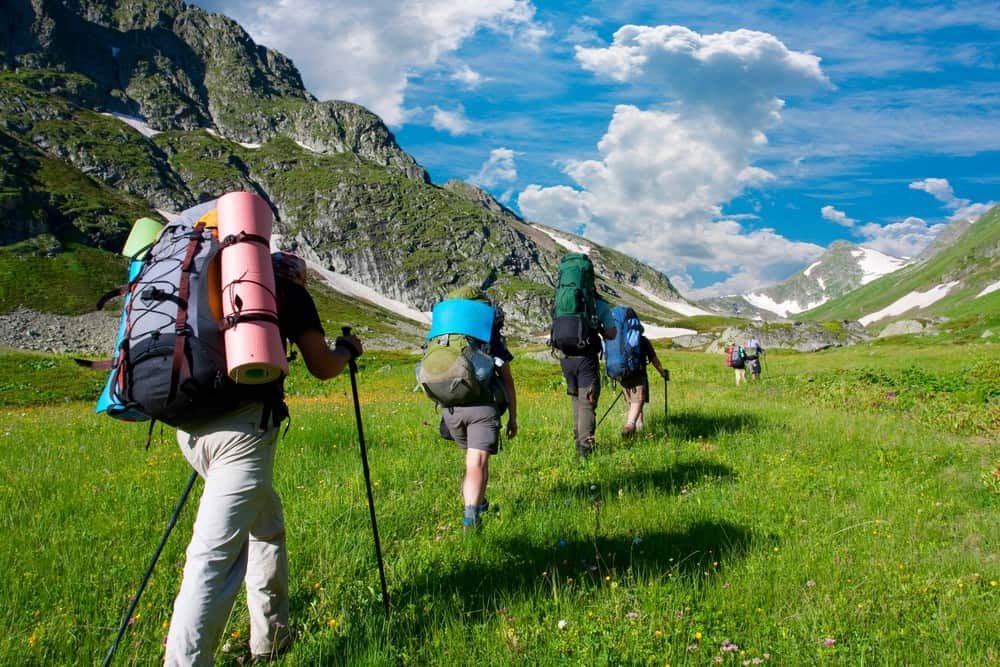
With trails that suit beginners, seasoned trekkers, and thrill-seekers alike, trekking in India has become a global attraction. India is a land of contrasts, and nowhere is this more evident than in its trekking opportunities. From the mighty Himalayas in the north to the rolling hills of the Western Ghats in the south, trekking in India is not just about adventure—it’s about connecting with nature, culture, and spirituality.
1. Why Trekking in India is Special
- Diverse Terrain: Snow peaks, alpine meadows, deserts, rainforests, and coastal trails.
- Cultural Immersion: Trekking often passes through villages, monasteries, and tribal regions.
- Biodiversity: Rich flora and fauna, including Himalayan species like snow leopards and rare orchids.
- Accessibility: Treks available for all skill levels, from weekend hikes to multi-week expeditions.
2. Famous Himalayan Treks
Kedarkantha Trek (Uttarakhand)
- Highlights: Snow trek, stunning campsites, and panoramic Himalayan views.
- Best Season: December–March.
- Difficulty: Easy to moderate.
Chadar Trek (Ladakh)
- Highlights: Walking on the frozen Zanskar River.
- Best Season: January–February.
- Difficulty: Challenging due to extreme cold.
Roopkund Trek (Uttarakhand)
- Highlights: Mysterious “Skeleton Lake” surrounded by snow peaks.
- Best Season: May–June, September–October.
- Difficulty: Moderate to difficult.
Valley of Flowers (Uttarakhand)
- Highlights: UNESCO World Heritage Site, alpine flowers, and Hemkund Sahib.
- Best Season: July–September.
- Difficulty: Easy to moderate.
Goechala Trek (Sikkim)
- Highlights: Close views of Mt. Kanchenjunga.
- Best Season: April–June, September–November.
- Difficulty: Moderate to difficult.
Sandakphu Trek (West Bengal)
- Highlights: Views of Everest, Kanchenjunga, Lhotse, and Makalu.
- Best Season: April–May, October–November.
- Difficulty: Moderate.
3. Treks in the Western Ghats and South India
Kudremukh Trek (Karnataka)
- Highlights: Rolling meadows, lush forests, and waterfalls.
- Best Season: October–February.
Chembra Peak (Kerala)
- Highlights: Heart-shaped lake, panoramic views.
- Best Season: September–March.
Rajmachi Trek (Maharashtra)
- Highlights: Fort ruins, monsoon greenery.
- Best Season: June–September.
Mullayanagiri Trek (Karnataka)
- Highlights: Highest peak in Karnataka.
- Best Season: October–March.
4. Seasonal Guide to Trekking in India
| Season | Best Regions | Popular Treks | Notes |
| Winter (Dec–Feb) | Uttarakhand, Himachal, Ladakh | Kedarkantha, Brahmatal, Chadar | Snow treks, extreme cold |
| Spring (Mar–May) | Uttarakhand, Sikkim | Goechala, Sandakphu, Kuari Pass | Pleasant weather |
| Monsoon (Jun–Sep) | Western Ghats, Valley of Flowers | Rajmachi, Kudremukh, Valley of Flowers | Lush greenery, slippery trails |
| Autumn (Sep–Nov) | Himalayas | Roopkund, Goechala, Har Ki Dun | Clear skies, best views |
5. Essential Tips for Trekking in India
- Permits: Many treks require forest or border permits.
- Fitness: Prepare with cardio and strength training.
- Gear: Trekking shoes, layered clothing, sleeping bags, and waterproof gear.
- Guides: Hire local guides for safety and cultural insights.
- Eco-Friendly: Carry reusable bottles, avoid plastic, and respect local traditions.
6. Risks and Challenges
- Altitude Sickness: Common above 10,000 ft; acclimatization is essential.
- Weather: Sudden changes in the Himalayas can be dangerous.
- Wildlife: Be cautious in forested treks.
- Logistics: Remote treks may lack medical facilities.
7. Sample Itinerary: 10-Day Himalayan Trek (Kedarkantha + Valley of Flowers)
- Day 1–2: Arrival in Dehradun, drive to Sankri, acclimatization.
- Day 3–5: Kedarkantha trek (snow camps, summit).
- Day 6: Transfer to Govindghat.
- Day 7–9: Valley of Flowers trek, Hemkund Sahib visit.
- Day 10: Return to Rishikesh/Dehradun.
8. Sustainable Trekking Practices
- Avoid littering; carry waste back.
- Support local homestays and guides.
- Respect wildlife and avoid noise pollution.
- Participate in initiatives like “Green Trails” by Indiahikes.
Conclusion
Trekking in India is a journey into diverse landscapes, cultures, and adventures. Whether you’re walking on the frozen Zanskar River, camping in snow-clad Uttarakhand, or exploring the lush Western Ghats, India offers treks for every traveler. With proper preparation, respect for nature, and a spirit of adventure, trekking in India becomes not just a physical challenge but a soulful experience.