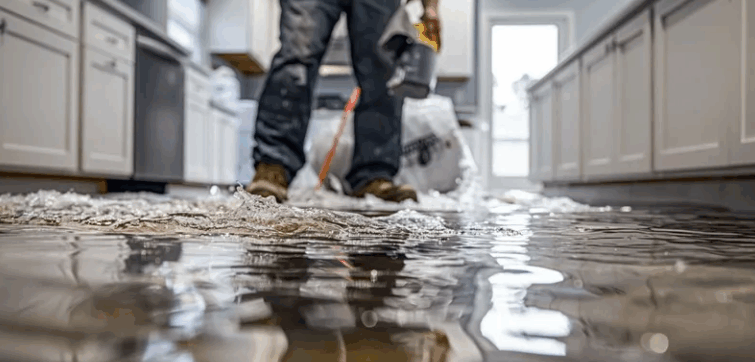
Water damage restoration is one of the most insidious threats to buildings and homes. While a small spill or minor leak may seem manageable, heavy water exposure can cause extensive and sometimes hidden structural damage. Recognizing the risks and taking swift action is crucial to preserving the integrity of your property. Water damage can stem from natural disasters, plumbing failures, roof leaks, or appliance malfunctions, and the effects are often more severe than they appear at first glance.
How Water Affects Building Structures
Heavy water exposure impacts building materials differently depending on their composition, age, and previous condition. Wood, for instance, is highly porous and can absorb water quickly, leading to swelling, warping, and eventual rot. Prolonged exposure weakens its structural integrity, making floors, beams, and support posts less reliable. Similarly, drywall and plaster can soften and crumble after saturation, compromising walls and ceilings.
Concrete and masonry may seem more resilient, but they are not immune. Water infiltration can erode mortar joints, cause cracking, and even promote the growth of mold and mildew within walls. This hidden moisture can undermine foundations over time, especially if it repeatedly freezes and thaws in colder climates.
Metal structures are also vulnerable. Steel beams and fasteners can corrode when exposed to water for long periods. Rust reduces load-bearing capacity, potentially compromising safety. Even minor corrosion in critical areas like joints or support columns can have long-term consequences.
Hidden Dangers: Mold and Microbial Growth
One of the most dangerous aspects of heavy water exposure is mold growth. Mold thrives in moist environments and can develop within 24 to 48 hours of water infiltration. Once established, mold not only damages building materials but also poses significant health risks. Spores can become airborne and cause allergic reactions, respiratory problems, and other health issues for occupants.
Microbial growth can also accelerate the deterioration of structural components. Bacteria and fungi feed on organic materials, weakening wood, insulation, and even carpets. Over time, this can lead to structural failure that may not be immediately visible, making professional inspection essential after severe water incidents.
Identifying Structural Damage
Detecting structural damage early is key to preventing further problems. Signs of water-induced damage include:
- Warped or sagging floors and ceilings
- Stains or discoloration on walls and ceilings
- Cracks in walls, foundations, or floors
- Rust on metal supports or fasteners
- Persistent damp or musty odors
- Peeling paint or wallpaper
Even if none of these signs are immediately apparent, prolonged water exposure can still create hidden risks. Moisture meters, infrared cameras, and other inspection tools can help identify areas of concern that are not visible to the naked eye.
Immediate Response to Heavy Water Exposure
After significant water exposure, quick and thorough action is essential. Water removal should be the first priority, followed by drying and dehumidification of the affected areas. Using fans, heaters, and industrial-grade dehumidifiers can help prevent the absorption of moisture into structural elements.
Once the immediate water is removed, assessing the structural integrity of the property is critical. Homeowners should look for warped wood, weakened beams, or compromised walls. In many cases, professional help is necessary to evaluate the extent of damage safely.
The Role of Water Damage Restoration Professionals
Water damage restoration experts play a crucial role in mitigating structural risks after heavy water exposure. Their services extend beyond simple cleanup. Professional restoration involves water extraction, drying, mold remediation, and structural assessment to ensure the property is safe and habitable.
Restoration specialists use specialized equipment like industrial dehumidifiers, moisture meters, and thermal imaging cameras to identify hidden water pockets. They also have the training to repair or replace compromised structural components, such as beams, joists, and drywall, preventing long-term damage.
Water damage restoration is not only about aesthetics or convenience; it is about safety and preserving the value of your property. Attempting to manage severe water damage without professional support can lead to incomplete drying, ongoing mold growth, and gradual structural deterioration.
Preventing Future Risks
After addressing immediate damage, taking preventive measures is essential to reduce the risk of future water incidents. Regular maintenance of plumbing, roofing, and drainage systems can minimize leaks. Installing water detection sensors and sump pumps can provide early warning in high-risk areas.
Proper landscaping and grading around the property also play a role in preventing water accumulation near foundations. Ensuring gutters and downspouts are clear and functional can reduce the likelihood of water seeping into the building’s base.
Conclusion
Heavy water exposure presents serious structural risks that extend beyond visible damage. Wood warping, metal corrosion, mold growth, and compromised foundations are all potential consequences that require prompt attention. Engaging professional services for water damage restoration is the most reliable way to protect your property, ensure safety, and prevent long-term financial loss.
Understanding these risks and acting quickly can save homeowners and property managers from costly repairs, hazardous living conditions, and potential loss of structural integrity. By combining immediate response, professional restoration, and preventive measures, the dangers of heavy water exposure can be effectively managed.