
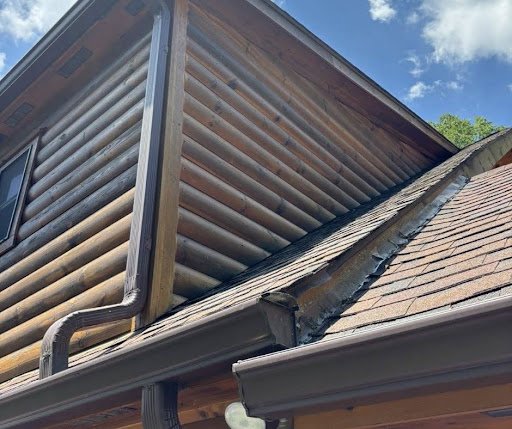
There’s nothing quite like the smell of a log cabin, fresh pine, warm wood, the whole cozy vibe. But here’s the thing: wood isn’t invincible. Moisture, weather, a leaky roof—they’ll find their way in. And suddenly, your beautiful cabin has water-damaged logs creeping across walls. If you’ve been staring at blackened, soft spots, you already know it: ignoring the problem doesn’t make it go away. That’s where log cabin rotten log repair comes in. It’s not glamorous. It’s not quick. But done right, it saves your cabin from turning into a mushy, rotting mess.
Let’s be honest. Many folks think they can patch up a soft spot and move on. Maybe a dab of wood filler, a coat of stain, and hope it holds. Sometimes it works. Often, it doesn’t. Water damage spreads quietly, like a slow-moving intruder, and what looks minor today can be structural trouble tomorrow. So, if your goal is a cabin that lasts decades, you’ve got to get serious about fixing the rot before it gets worse.
Why Logs Rot and What Makes It Worse
Logs are natural, beautiful, and strong—but also vulnerable. Water is the enemy. Rain, snow, high humidity—they all sneak in through gaps, poorly sealed corners, or even tiny cracks in the finish. Once moisture settles in, fungi and bacteria move in fast. That’s the start of rot. Soft, spongy wood, dark discoloration, even that musty cabin smell—these are all warning signs.
Sun and temperature swings don’t help either. Logs expand and contract, tiny cracks form, and water finds the cracks. And here’s a kicker: not all rot is obvious. Sometimes it’s hiding beneath the surface, under the stain or log caulking. That’s why relying only on visual inspection can give you a false sense of security. If your goal is a long-term fix, you need a plan to attack the problem at its core, not just slap a cosmetic coat over it.
Assessing the Damage Before You Start
You can’t repair log cabin rot if you don’t know the extent. Start by running your hands along the logs, tapping them lightly with a hammer or even a screwdriver. Listen for hollow sounds. Press gently—soft spots? That’s rotten wood. Check corners, sills, areas near gutters or rooflines. Anywhere water lingers, rot is likely waiting.
Take notes. Document which logs are salvageable, which are compromised, and which are straight-up trash. You’re not guessing here—you’re planning a targeted strike. And yes, sometimes the “repair” might actually be replacing whole sections. It’s not fun, but a half-measure now equals more expense down the line.
Step-by-Step Log Cabin Rotten Log Repair
Now, let’s get practical. Fixing water-damaged logs isn’t magic. It’s methodical, hands-on work. There’s a difference between patching a surface and actually saving the log. Here’s how you tackle it:
1. Remove the Rotten Wood
Start with a chisel, a sharp knife, or a rotary tool. Scoop out the soft, mushy wood until you hit solid, healthy timber. Don’t stop at what looks bad on the surface; dig a little deeper. Rot spreads in irregular pockets, not neat squares.
2. Dry Everything Out
This step is crucial. No repair sticks if the log is still wet. Use fans, dehumidifiers, or just let it air out for days if possible. Moisture is rot’s best friend. Cut it off, and you’re halfway to winning this battle.
3. Treat the Remaining Wood
Apply a wood preservative or rot inhibitor to the cavity and surrounding log. It’s not glamorous, but it prevents lingering spores from starting the cycle again. Skipping this is tempting, sure, but it’s a gamble that rarely pays off.
4. Fill or Rebuild
Here’s where options vary. For smaller spots, epoxy wood consolidants or fillers work. They bond with the remaining log and restore structural integrity. For larger damage, you might need a scarf joint or even a partial log replacement. Yes, it’s more work, but it’s solid, lasting repair. This is the core of any serious log cabin rotten log repair plan.
5. Seal and Protect
Once repaired, re-caulk, stain, and seal. Make sure your exterior finish is intact, especially in vulnerable spots. Water will exploit any weak seal, so take your time here. A proper finish isn’t just cosmetic—it’s protection.
Preventing Rot from Coming Back
The fight isn’t over once you patch the logs. Prevention is a full-time effort if you want your cabin to last. Keep gutters clean. Check for leaks. Maintain caulking. Trim trees and shrubs that trap moisture against the cabin. Regular inspections—every year at minimum—catch problems early before they eat through the logs.
Also, don’t underestimate ventilation. Airflow reduces humidity and keeps logs happy. People forget that even the best wood treatment can fail if the cabin interior is constantly damp.
DIY vs. Professional Help
Some repairs are doable with a good weekend of work and elbow grease. Small soft spots, minor rot, even localized filling can be DIY projects. But when rot spreads, logs sag, or walls feel spongy, call in a pro—this is where log house restoration really matters.
There’s no shame in it. Professionals have experience, the right tools, and the know-how to repair log cabin rot that lasts decades. It might cost more upfront, sure, but consider the alternative: multiple half-fixes, escalating damage, maybe even structural failure. The math isn’t even close.
Conclusion: Don’t Wait, Fix It Right
Water-damaged logs don’t heal themselves. Ignoring them is inviting bigger problems. The key to a strong, lasting cabin is honest assessment, methodical repair, and preventative care. Log cabin rotten log repair isn’t glamorous—it’s hands-on, sometimes messy, but it works.
So, grab your tools, or hire someone who knows their stuff. Remove the rot, treat the remaining wood, rebuild, seal, and protect. Then, keep your eyes open for future trouble. Cabin life is beautiful, but it’s also woodwork and weather working against you. The sooner you tackle water-damaged logs, the longer your cabin stands proud, solid, and cozy for years to come.
Remember: a small patch now beats a total log replacement later. Don’t wait. Repair log cabin rot before it takes over your walls and your peace of mind.
