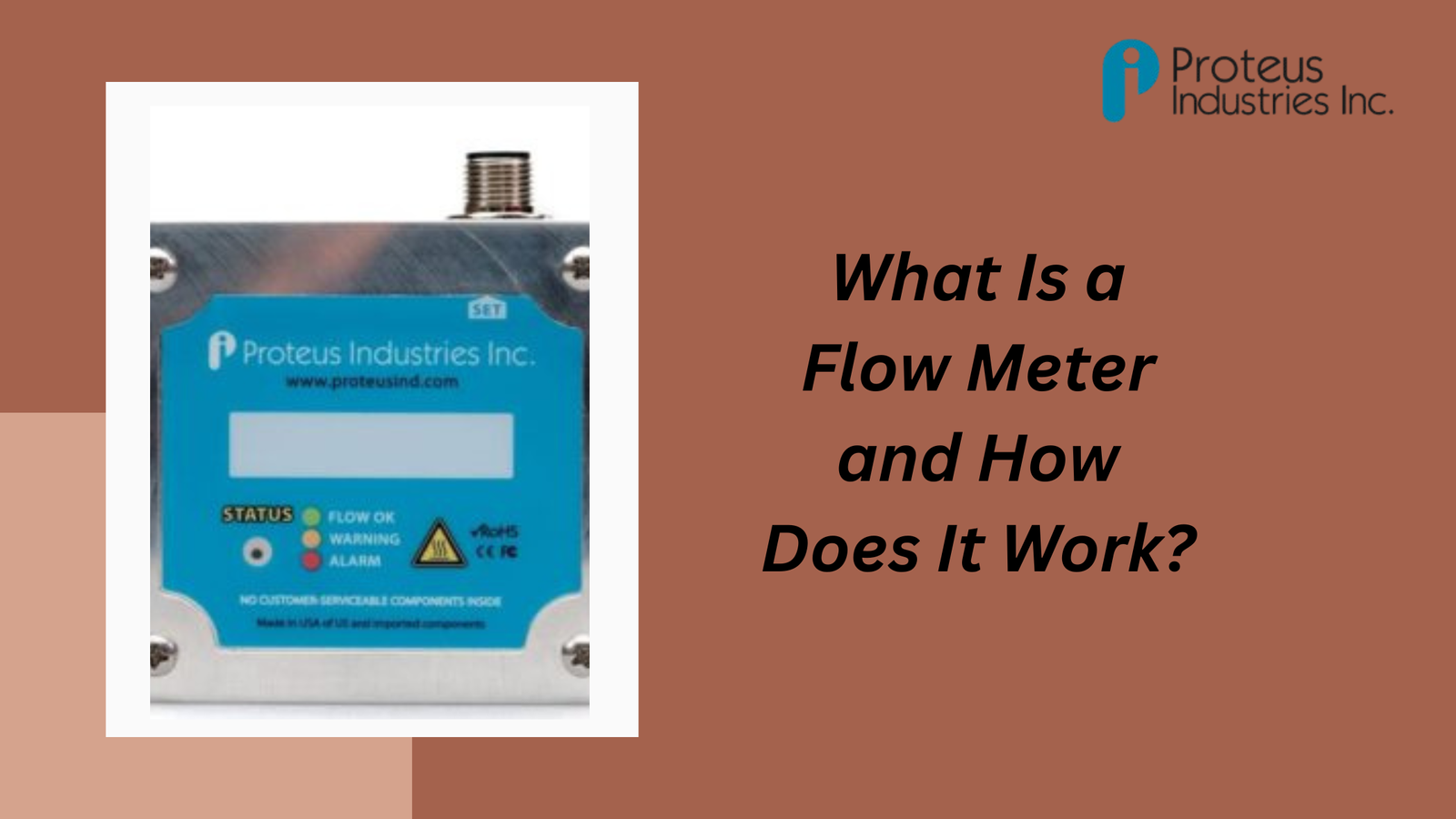
In many industries, accurately measuring the flow of liquids or gases is essential for maintaining efficiency, safety, and product quality. From manufacturing plants to medical equipment and cooling systems, precise monitoring of fluid movement plays a critical role in daily operations. This is where a flow meter becomes an indispensable tool.
A flow meter helps measure the rate at which a fluid moves through a system, allowing engineers and operators to monitor performance, detect problems, and optimize processes. In this blog, we’ll explore what a flow meter is, how it works, the different types available, and why specialized devices such as a high temp flow meter are important for demanding environments.
What Is a Flow Meter?
A Flow meter is an instrument used to measure the flow rate of liquids or gases within a pipe or system. It determines how much fluid passes through a specific point over a certain period of time.
Flow meters are widely used across industries such as:
- Manufacturing
- Semiconductor production
- Medical equipment cooling
- Automotive testing
- Laser systems
- Water treatment facilities
By providing real-time data, flow meters allow companies to maintain optimal system performance and avoid costly disruptions.
Why Flow Measurement Is Important
Accurate flow measurement is essential for several reasons:
Process Efficiency
Monitoring fluid flow ensures that systems operate at the correct levels, helping maintain efficiency and productivity.
Equipment Protection
Many industrial systems rely on proper cooling or lubrication. Flow meters help detect low flow conditions that could damage equipment.
Safety
In chemical processing or high-temperature environments, incorrect fluid flow can cause dangerous situations. Reliable measurement improves operational safety.
Cost Control
Flow meters help companies track resource usage, identify leaks, and reduce waste, which ultimately lowers operating costs.
How Does a Flow Meter Work
Although there are many types of flow meters, they all operate using the same basic principle: measuring the movement of fluid through a system.
The device is installed within a pipeline, and it detects flow using various technologies depending on the design. Some measure velocity, others measure pressure differences, and some track the mass of the fluid passing through.
Once the flow rate is measured, the data can be displayed on a digital screen or transmitted to a monitoring system for analysis.
Common Types of Flow Meters
Different applications require different measurement methods. Below are some of the most commonly used types.
Turbine Flow Meters
Turbine flow meters contain a rotating blade or turbine inside the pipe. When fluid flows through the system, it spins the turbine. The rotation speed correlates with the fluid flow rate.
These meters are known for their accuracy and are often used in clean liquid applications.
Ultrasonic Flow Meters
Ultrasonic flow meters use sound waves to measure fluid velocity. Sensors placed outside the pipe send and receive ultrasonic signals, calculating flow rate based on changes in signal speed.
Because they do not require direct contact with the fluid, they are ideal for sensitive or corrosive materials.
Electromagnetic Flow Meters
Electromagnetic flow meters measure conductive liquids using magnetic fields. As the fluid passes through the meter, it generates voltage that corresponds to the flow rate.
These are commonly used in water treatment and chemical processing industries.
Thermal Flow Meters
Thermal flow meters measure flow by analyzing changes in heat transfer within the fluid stream. They are frequently used for gas flow measurement.
What Is a High Temp Flow Meter
In many industrial environments, fluids operate under extreme heat conditions. Standard flow meters may not perform reliably in these situations, which is why specialized instruments like a high temp flow meter are essential.
A high temp flow meter is specifically designed to measure fluid flow in systems where temperatures can exceed normal operating limits. These devices are built with heat-resistant materials and advanced sensors that maintain accuracy even under intense thermal stress.
Applications of High Temperature Flow Meters
High-temperature flow meters are used in industries where heat plays a critical role in operations.
Semiconductor Manufacturing
Cooling systems are crucial in semiconductor fabrication processes. High temp flow meters ensure that cooling fluids circulate properly, preventing equipment overheating.
Laser Systems
Industrial laser equipment generates significant heat. Accurate flow measurement ensures proper cooling and system stability.
Automotive Testing
Engine testing facilities require precise monitoring of coolant flow under extreme temperature conditions.
Chemical Processing
Many chemical reactions occur at high temperatures, making accurate flow monitoring essential for safety and efficiency.
Benefits of Using High Temp Flow Meters
Choosing the right flow meter for high-temperature environments offers several advantages.
Reliable Performance
High temp flow meters are engineered to maintain accuracy even in demanding conditions.
Durability
These meters are made with heat-resistant materials that extend the lifespan of the equipment.
Improved System Safety
Accurate monitoring helps detect abnormal flow conditions before they lead to equipment failure or safety hazards.
Consistent Process Control
Reliable data allows operators to maintain precise control over industrial processes.
Factors to Consider When Choosing a Flow Meter
Selecting the right flow meter depends on several factors.
Fluid Type
Different meters are designed for specific fluids such as water, chemicals, oils, or gases.
Temperature Conditions
If the system operates under high heat, a high temp flow meter is essential.
Flow Rate Range
Ensure the meter can accurately measure the expected flow levels.
Pressure Requirements
Some systems operate under high pressure, requiring specialized flow measurement devices.
Accuracy and Reliability
High-quality meters provide consistent measurements and long-term durability.
The Future of Flow Meter Technology
As industries continue to adopt automation and smart technologies, flow meters are becoming more advanced. Modern systems now include features such as:
- Digital monitoring and real-time data analysis
- Remote system integration
- Improved sensor accuracy
- Enhanced durability for extreme environments
These advancements allow companies to optimize operations and maintain greater control over complex industrial systems.
Why Choosing the Right Manufacturer Matters
Flow measurement technology requires precision engineering and dependable performance. Working with a trusted manufacturer ensures that the equipment meets strict industry standards and delivers long-term reliability.
Experienced manufacturers design flow meters with advanced technology, rigorous testing, and customizable solutions tailored to specific applications.
If your industry requires reliable and precise flow monitoring—especially in high-temperature environments—choosing the right technology is critical.
Proteus Industries Inc. is a trusted leader in liquid flow sensing and control solutions, delivering innovative products designed for demanding industrial applications. With decades of experience and a commitment to precision engineering, Proteus Industries offers high-performance flow meters, including solutions built to handle extreme conditions.
Contact Proteus Industries today to learn more about advanced flow meter technology and discover how the right solution can improve efficiency, reliability, and performance in your operations.