
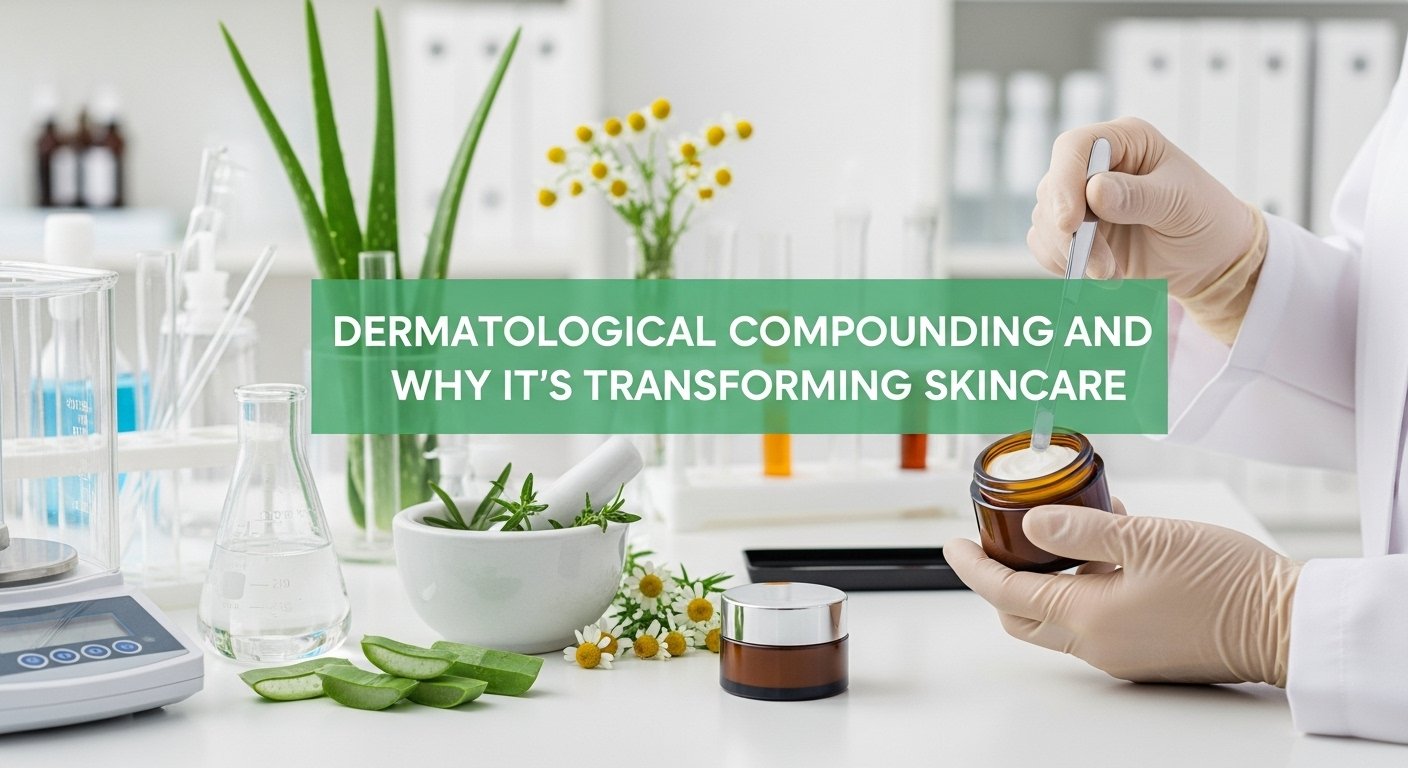
In recent years, the world of skincare has shifted dramatically. People are no longer satisfied with one-size-fits-all products that promise results but fail to deliver. Instead, they’re turning to Dermatological Compounding, a personalized approach that tailors medications and skincare treatments to an individual’s exact skin type and condition. This innovative practice is reshaping how dermatologists and pharmacists treat everything from acne and eczema to pigmentation and premature ageing.
Understanding Dermatological Compounding
Dermatological Compounding is the process of creating customized medications specifically formulated for an individual’s skin concerns. Instead of relying on commercially available skincare or prescription creams, a compounding pharmacy combines active ingredients in specific strengths, forms, and combinations that suit a patient’s unique dermatological needs.
Unlike off-the-shelf products, compounded skincare medications are developed under a dermatologist’s prescription. They can target multiple skin issues simultaneously, use alternative ingredients for those with allergies, and adjust dosages or textures for sensitive or reactive skin.
This personalized method bridges the gap between conventional skincare and advanced medical treatment offering solutions when standard options simply don’t work.
How Dermatological Compounding Works
The process begins when a dermatologist evaluates your skin condition and prescribes a customized formulation. This prescription is then sent to a dermatology compounding pharmacy, where trained pharmacists prepare the product under controlled conditions.
The pharmacist carefully selects the appropriate active ingredients, bases, and delivery methods such as creams, gels, ointments, or serums. Every formulation is made fresh, ensuring potency, stability, and compatibility with the patient’s skin.
For example, a compounded acne cream may combine tretinoin with azelaic acid and niacinamide for enhanced results. Similarly, patients with eczema might receive a soothing ointment with tailored anti-inflammatory agents and moisturizers to reduce flare-ups.
This level of customization ensures that the product meets both the dermatologist’s treatment goals and the patient’s personal preferences.
The Benefits of Dermatological Compounding
1. Tailored to Individual Skin Needs
No two skin types are alike. Dermatological Compounding allows formulations to be adjusted for specific concerns whether that’s dryness, oiliness, pigmentation, or sensitivity. It also makes it possible to avoid ingredients that commonly trigger allergic reactions or irritation.
Patients can choose preferred textures (light creams, thicker ointments, or gels), making their skincare routine more comfortable and effective.
2. Combines Multiple Medications into One
A major advantage of compounded dermatology products is convenience. Instead of juggling multiple prescriptions, pharmacists can combine several active ingredients into a single, easy-to-use product. This improves adherence and ensures the skin receives a balanced treatment without overloading it with different products.
3. Addresses Conditions That Don’t Respond to Standard Treatments
Some individuals struggle with persistent skin conditions that don’t improve with commercial or over-the-counter products. In such cases, dermatological compounding offers hope. Whether it’s resistant acne, chronic eczema, or rosacea, a compounded treatment can be fine-tuned for maximum efficacy.
4. Custom Concentrations and Strengths
Commercial products often come in limited strengths that might not be suitable for every skin type. Compounding allows pharmacists to create formulations with specific concentrations, ensuring the treatment is neither too strong nor too mild. This precision helps avoid side effects and enhances overall results.
5. Ideal for Sensitive or Allergy-Prone Skin
Many patients react negatively to preservatives, dyes, or fragrances found in regular skincare products. With dermatological compounding, pharmacists can remove such irritants, leaving only the active ingredients necessary for healing and rejuvenation.
Common Skin Conditions Treated with Compounded Medications
Dermatological Compounding can be applied to a wide range of skin issues. Here are some of the most common:
- Acne: Custom blends of retinoids, antibiotics, and anti-inflammatory agents.
- Eczema and Psoriasis: Soothing corticosteroid creams combined with moisturizers.
- Hyperpigmentation: Lightening agents like hydroquinone or kojic acid in personalized concentrations.
- Anti-Ageing Treatments: Retinoids, antioxidants, and peptides for fine lines and wrinkles.
- Rosacea: Tailored formulations that reduce redness and inflammation.
This versatility makes compounded skincare an invaluable option for patients of all ages and skin types.
Is Compounded Skincare Safe?
Safety and quality are top priorities in dermatological compounding. Licensed compounding pharmacies in Canada follow strict guidelines from regulatory bodies to ensure the accuracy, purity, and consistency of every product.
Before creating any medication, pharmacists verify ingredient compatibility and stability. They also maintain detailed records for every batch, ensuring traceability and transparency.
When prescribed by a dermatologist and prepared by a certified compounding pharmacy, compounded skincare products are safe, effective, and highly reliable.
How to Get Started with Dermatological Compounding
- Consult Your Dermatologist: Discuss your skin concerns and ask if compounded skincare may benefit you.
- Get a Prescription: Your dermatologist will specify the ingredients, strengths, and dosage form.
- Choose a Trusted Compounding Pharmacy: Work with a reputable pharmacy that specializes in dermatology formulations.
- Follow Directions Carefully: Use your compounded product exactly as prescribed to achieve optimal results.
By working closely with your dermatologist and pharmacist, you can ensure your treatment is fully customized for long-term skin health.
FAQs About Dermatological Compounding
1. What is dermatological compounding used for?
It’s used to create customized skincare medications for conditions like acne, eczema, psoriasis, rosacea, and pigmentation.
2. Do I need a prescription for compounded skincare?
Yes. Compounded skincare requires a dermatologist’s prescription since it’s prepared specifically for your condition.
3. Is compounded skincare more effective than commercial products?
In many cases, yes because the formulation is designed to match your exact skin needs rather than using general ingredients.
4. How long does it take to see results?
Results depend on your skin condition and formulation, but most people notice improvement within 4–8 weeks.
5. Are compounded skincare products safe for sensitive skin?
Absolutely. Since they’re free from unnecessary additives, compounded products are ideal for individuals with sensitive or allergy-prone skin.
Conclusion
Dermatological Compounding represents the future of personalized skincare. By combining pharmaceutical science with dermatological expertise, it allows patients to receive treatments designed uniquely for their skin type, lifestyle, and medical history.
Whether you’re struggling with chronic acne, stubborn eczema, or premature ageing, compounded skincare can deliver real, lasting results where traditional products fall short.For those seeking high-quality, customized dermatological formulations, Aurora Compounding Pharmacy offers professional expertise and state-of-the-art facilities to ensure your skin receives the best possible care. Their commitment to safety, precision, and personalization makes them a trusted partner for individuals seeking effective, tailor-made skincare solutions.