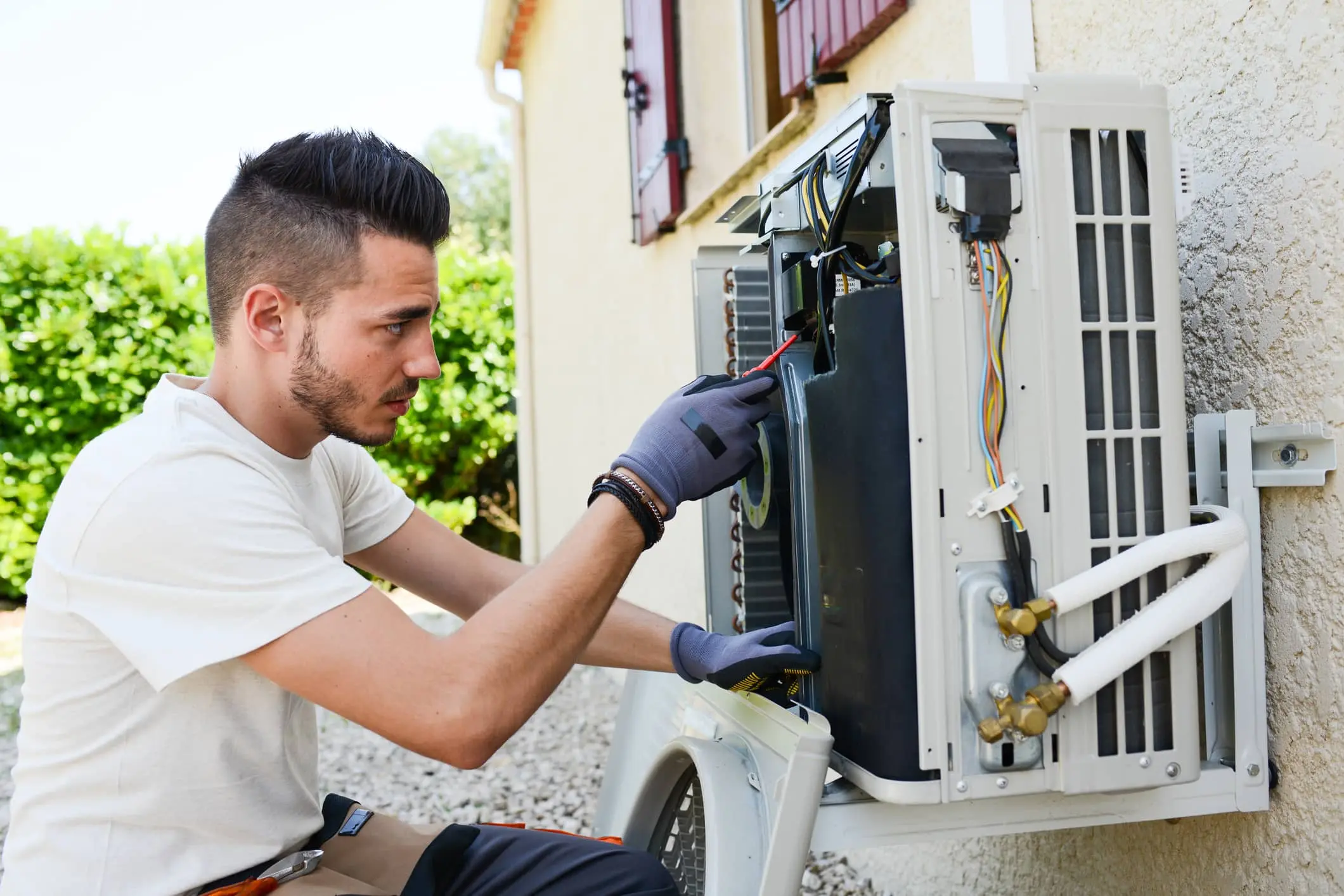
Air conditioners have become an essential part of modern homes, especially in hot climates. They keep our living spaces comfortable during scorching summers and maintain indoor air quality. However, like any household appliance, AC units do not last forever. Understanding the average life expectancy of an AC unit can help homeowners plan maintenance, repairs, and eventual replacement effectively.
Most central air conditioning units last between 10 to 15 years, though this can vary depending on usage, maintenance, and the type of AC system. Smaller window units may last around 8 to 10 years, while more advanced systems like ductless mini-splits can last up to 20 years with proper care. Knowing these numbers can save homeowners from unexpected breakdowns and high repair costs.
Factors such as climate, frequency of use, and the quality of installation significantly affect how long an AC unit will last. In areas with extreme heat, air conditioners may work harder and experience faster wear and tear. Likewise, units that are poorly maintained or installed may fail sooner than expected.
If your AC is showing signs of inefficiency, strange noises, or frequent breakdowns, it may be time to consult professionals for Air Conditioner Repair Services in Cypress TX. Expert technicians can evaluate whether repair or replacement is the most cost-effective solution.
Factors Affecting the Life of an AC Unit
1. Quality of the Unit
Not all air conditioners are created equal. High-quality units from reputable manufacturers generally have a longer lifespan. Cheaper models may save money upfront but can lead to higher maintenance costs and earlier replacement.
2. Installation
Proper installation is crucial for longevity. Even the best AC unit can fail prematurely if it is not installed correctly. Poor installation can cause refrigerant leaks, inefficient cooling, and higher energy consumption, all of which reduce the unit’s life.
3. Usage and Climate
How often an AC runs plays a big role in its lifespan. Homes in hot climates where AC units run almost year-round may experience a shorter lifespan. Conversely, in cooler regions, units are used less frequently, potentially extending their life.
4. Maintenance
Regular maintenance is the most important factor in extending an AC’s life. Cleaning filters, checking refrigerant levels, and inspecting components can prevent many common issues. A well-maintained unit can last up to 20% longer than one that is neglected.
5. Energy Efficiency
Modern air conditioners are designed to be energy efficient, which not only reduces electricity bills but also lessens wear on internal components. High-efficiency models may last longer and maintain better performance over the years.
Homeowners looking for reliable solutions often trust professional services to keep their systems running efficiently. Companies like Home Comfort Solutions LLC are known for providing comprehensive AC maintenance and repair solutions. Their technicians focus on maximizing the lifespan of units through thorough inspections and timely repairs, helping homeowners avoid costly replacements and enjoy consistent indoor comfort.
Signs Your AC Unit is Nearing the End of Its Life
Even with regular maintenance, AC units eventually wear out. Here are some signs that your system may be reaching the end of its lifespan:
- Frequent Repairs: If you find yourself calling for repairs multiple times a year, it may be more economical to replace the unit.
- Uneven Cooling: Older systems may struggle to maintain a consistent temperature throughout your home.
- Rising Energy Bills: A sudden increase in electricity costs can indicate that the AC is working harder than it should.
- Strange Noises: Banging, grinding, or squealing noises are warning signs that internal components may be failing.
- Refrigerant Issues: Older units often use outdated refrigerants, which may be harder to find and more expensive to recharge.
Knowing when to repair or replace your AC can save money and prevent discomfort during extreme weather.
Tips to Extend the Life of Your AC Unit
- Schedule Regular Maintenance: Seasonal inspections by certified technicians can identify minor issues before they become major problems.
- Replace Air Filters: Dirty filters restrict airflow and force the AC to work harder, reducing its lifespan.
- Clean the Coils: Both indoor and outdoor coils should be cleaned annually to maintain efficiency.
- Check for Leaks: Ensuring that ducts and refrigerant lines are leak-free keeps your unit running smoothly.
- Upgrade When Necessary: Investing in a newer, more efficient model may be cheaper in the long run than constant repairs.
For homeowners in Cypress, TX, accessing local professional support can make a significant difference. Services like Air Conditioner Repair Services in Cypress TX offer inspections, maintenance, and repairs tailored to the specific needs of local homes and climates.
Average Lifespan by AC Type
Different AC types have varying life expectancies:
- Central Air Conditioners: 12–15 years
- Window Units: 8–10 years
- Ductless Mini-Splits: 15–20 years
- Portable ACs: 5–10 years
Choosing the right type based on your home size, budget, and cooling needs can maximize efficiency and lifespan. Investing in quality units and professional installation is a key factor in long-term performance.
Conclusion
The average life expectancy of an AC unit depends on several factors, including quality, usage, climate, and maintenance. By understanding these factors and performing regular maintenance, homeowners can maximize their unit’s efficiency and lifespan. Knowing when to repair or replace a unit also ensures comfort without unexpected costs.
Professional services, like those provided by Home Comfort Solutions LLC, are invaluable in keeping your AC in top condition. They help homeowners make informed decisions and extend the life of their units. Regular maintenance, prompt repairs, and choosing the right type of AC for your home are essential steps toward long-lasting comfort.