
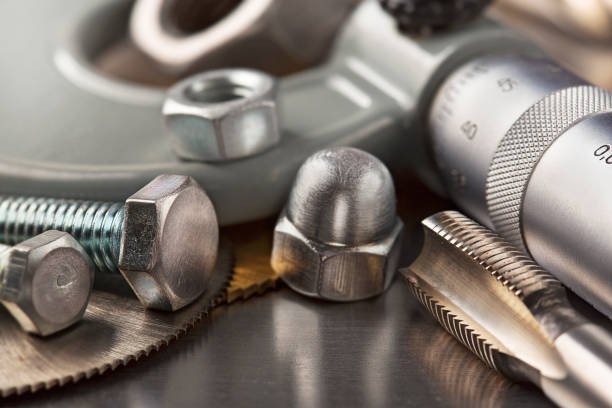
If you’ve been around manufacturing long enough, you know fasteners don’t get much spotlight. Bolts, screws, pins… not flashy. But here’s the thing, fastener specialties manufacturing is changing fast, and it’s not just minor tweaks. We’re talking real shifts in how parts are designed, produced, and delivered. Some of it is driven by tech, sure. Some of it? Pure pressure from industries that won’t tolerate failure anymore. Aerospace, medical, energy, they’re all raising the bar. Let’s be real, fasteners used to be seen as commodity parts. Now they’re engineered components. That shift alone is pushing innovation in ways most people don’t even notice.
Demand for Extreme Precision (Not Just “Good Enough”)
The short answer? Tolerances are getting tighter. Way tighter. Industries today aren’t asking for “close enough.” They want repeatable precision down to microns. That changes everything on the manufacturing side. Machines need to be dialed in. Tool wear has to be tracked constantly. Even a slight variation can mean rejection. And it’s not just aerospace anymore. Automotive EV platforms, robotics, even high-end construction systems, they all need fasteners that behave the same, every single time. No surprises. So manufacturers are investing in better equipment, smarter inspection systems, and frankly, more skilled operators. Because no machine runs itself perfectly. Not yet.
Rise of Advanced Materials
Old-school steel fasteners still dominate, yeah. But that’s not the whole picture anymore. We’re seeing more exotic alloys, titanium blends, and corrosion-resistant composites. Why? Because environments are harsher. Offshore wind, marine builds, chemical processing, these places chew up standard materials like nothing. Truth is, switching materials isn’t easy. Different metals behave differently under stress, heat, and machining. You don’t just swap and go. It takes process tweaks, sometimes full redesigns. But the payoff? Longer lifespan, less maintenance, fewer failures. And for clients, that matters more than the upfront cost.
Automation Is Taking Over (But Not Completely)
Automation is everywhere, no surprise there. But in fastener specialties manufacturing, it’s not about replacing people entirely. It’s about consistency. Robotic handling, automated inspection, and CNC integration, these reduce human error where it matters most. Especially in high-volume runs. You can’t rely on manual checks when you’re producing thousands of parts per hour. Still, here’s the catch, automation only works if the system is set up right. Bad programming, poor calibration, or rushed setups? You just scale your mistakes faster. So yeah, automation helps. But skilled humans still sit behind the scenes, adjusting, correcting, and keeping things on track.
The Role of Swiss Style CNC Machining in Modern Fasteners
Now this is where things get interesting. Swiss-style CNC machining has become a go-to for high-precision fasteners, especially the small, complex ones. Think medical screws, aerospace pins, tight-tolerance connectors. Why Swiss-style? Because it supports the material close to the cutting tool. Less vibration. More accuracy. Cleaner finishes. It’s built for parts where even a tiny deviation isn’t acceptable. But it’s not magic. Setup is tricky. Programming takes experience. And if you don’t understand the process deeply, you’ll waste time, and material. Still, when it’s done right, it’s hard to beat. Consistency at scale. That’s the big win.
Customization Over Mass Production
Mass production isn’t going away, but customization is definitely growing. Clients want fasteners designed for their exact application. Not something pulled off a standard catalog. That means custom threads, unique coatings, and specific geometries. Sometimes weird stuff, honestly. And manufacturers are adapting. Faster prototyping, shorter runs, more flexible production lines. The challenge? Balancing customization with efficiency. You can’t treat every order like a one-off masterpiece. It has to be scalable, or it doesn’t work as a business. So the smart manufacturers? They’re building systems that allow flexibility without killing productivity. Not easy, but necessary.
Digital Integration and Smart Manufacturing
Everything’s connected now. Machines, inspection systems, supply chains, it’s all talking to each other. Data is driving decisions in ways that didn’t exist before. Real-time monitoring, predictive maintenance, quality tracking, it’s all part of the shift. And yeah, it sounds great on paper. But implementing it? Messy. Systems don’t always integrate cleanly. Data can be overwhelming. And not every shop has the resources to go fully digital overnight. Still, the trend is clear. The more visibility you have into your process, the fewer surprises you deal with. And in manufacturing, surprises usually mean scrap or delays. Neither is good.
Sustainability Pressures Are Getting Real
This one’s not optional anymore. Customers are asking about material sourcing, waste reduction, and energy use. Regulations are tightening, too, depending on the region. So manufacturers are looking at ways to cut waste, recycle materials, and improve energy efficiency. Even small changes add up over time. But let’s be honest, it’s a balancing act. Sustainable processes can cost more upfront. And not every client wants to pay that premium. Still, the direction is set. Ignore sustainability, and you’ll fall behind. Simple as that.
Supply Chain Resilience (Because Things Break)
If the past few years taught manufacturers anything, it’s this: supply chains are fragile. Raw material shortages, shipping delays, geopolitical issues, it all hits production hard. Fastener manufacturers are feeling it like everyone else. So now there’s a push toward local sourcing, better inventory planning, and stronger supplier relationships. Not perfect solutions, but better than scrambling when things go sideways. Flexibility is becoming just as important as efficiency. Maybe more.
Conclusion
Fastener specialties manufacturing isn’t standing still. Not even close. Precision demands are rising. Materials are evolving. Processes are getting smarter, faster, and more connected. And yeah, more complicated too. That’s the trade-off. That’s where swiss style cnc machining is playing a growing role, helping manufacturers meet higher precision standards while maintaining consistency at scale. The companies that adapt, really adapt, not just talk about it, are the ones pushing innovation forward. The rest? They’ll struggle to keep up. Because at the end of the day, fasteners might be small. But the expectations around them? Not small at all.