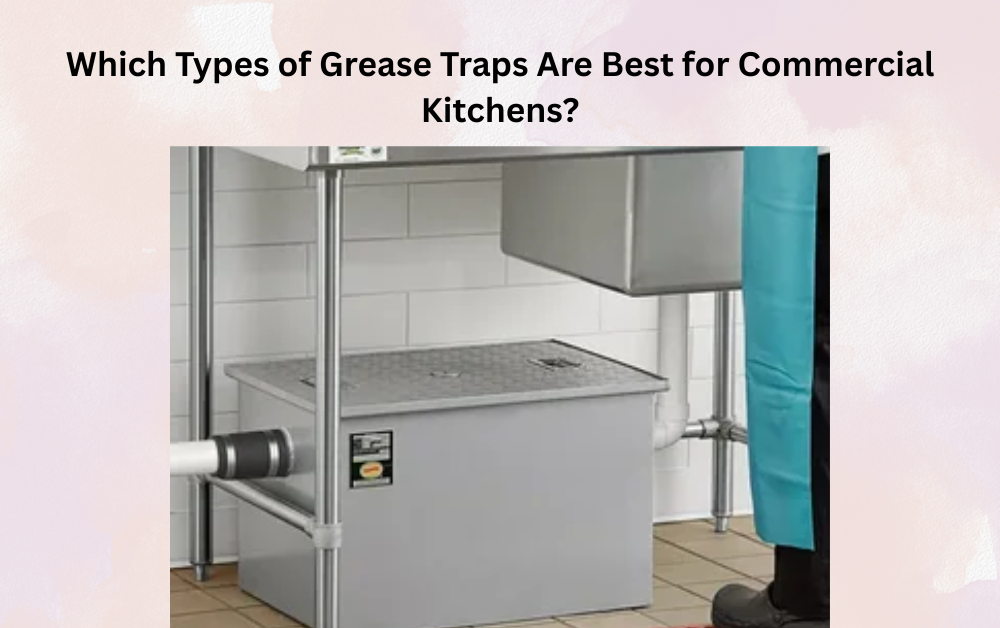
Grease traps are an essential part of any commercial kitchen. They help prevent fats, oils, and grease (FOG) from entering the sewage system. Without a proper grease trap, pipes can get clogged, leading to costly repairs and hygiene problems. Choosing the right type of grease trap is very important for smooth kitchen operations. In this article, we will explain the different types of grease traps and help you decide which one is best for your commercial kitchen.
Note: Airody Trading LLC provides high-quality grease traps in UAE, ensuring clean and efficient wastewater management for commercial kitchens.
What Is a Grease Trap?
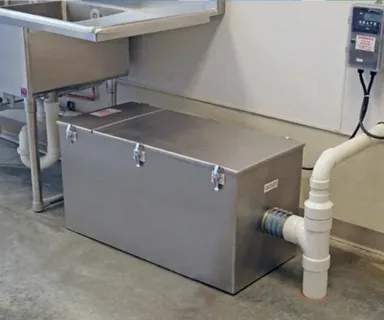
A grease trap is a plumbing device that captures and separates grease and oils from wastewater before it enters the sewage system. Grease traps work by slowing down the flow of water so that fats and oils float to the top while clean water goes through the pipes.
Why Grease Traps Are Important
Grease traps prevent clogs and blockages in pipes, which can cause backups and unpleasant smells. They also protect the environment by stopping fats, oils, and grease from entering public sewer systems. In commercial kitchens, where large amounts of grease are produced, having a proper grease trap is a must.
Types of Grease Traps
There are several types of grease traps available for commercial kitchens. Each type has its own advantages and is suitable for different kitchen sizes and workloads.
1. Passive or Manual Grease Traps
Passive grease traps, also known as manual grease traps, are the most common type. They are usually installed under sinks or in the floor near kitchen drains.
How Passive Grease Traps Work
These grease traps work by slowing down wastewater and allowing grease to float to the surface. A removable lid allows kitchen staff or cleaning professionals to remove the collected grease manually.
Benefits of Passive Grease Traps
- Simple and easy to install
- Low cost compared to other types
- Works well for small to medium-sized kitchens
Limitations
- Requires regular manual cleaning
- Can overflow if not maintained properly
- Not ideal for very busy or high-volume kitchens
2. Automatic or Hydromechanical Grease Interceptors
Automatic grease traps, also called hydromechanical grease interceptors, are designed to separate grease continuously. These traps often use a combination of baffles and filters to trap grease.
How Automatic Grease Traps Work
Water flows through the device, and grease is separated and collected in a special compartment. Some systems can even pump the collected grease automatically.
Benefits of Automatic Grease Traps
- Less frequent cleaning compared to manual traps
- Ideal for high-volume kitchens with constant grease production
- Efficient at separating even small amounts of grease
Limitations
- Higher initial cost
- Requires professional installation
- Needs periodic maintenance for optimal performance
3. In-Ground Grease Interceptors
In-ground grease interceptors are large grease traps installed outside the kitchen, usually underground. They are often used in big restaurants, hotels, and commercial food factories.
How In-Ground Grease Interceptors Work
These traps hold a large volume of wastewater and separate grease before it enters the sewage system. The collected grease is removed by professional service companies.
Benefits of In-Ground Grease Interceptors
- Can handle large volumes of grease and water
- Suitable for very busy commercial kitchens
- Reduces frequent cleaning inside the kitchen
Limitations
- Requires more space and professional installation
- Higher installation and maintenance costs
- Not practical for small kitchens
4. Hydromechanical Grease Traps With Flow Control Devices
These grease traps combine the features of hydromechanical traps and flow control devices. They regulate the flow of water to maximize grease separation.
Benefits
- Efficient for medium to large kitchens
- Reduces the risk of grease bypassing the trap
- Can handle varying flow rates without losing efficiency
Limitations
- More expensive than simple manual traps
- Requires professional installation and maintenance
Factors to Consider When Choosing a Grease Trap
Choosing the right grease trap depends on several factors. Considering these points will help you pick the best type for your kitchen:
Kitchen Size and Volume
A small café may only need a simple manual trap, while a large restaurant or hotel kitchen requires a high-capacity automatic or in-ground interceptor.
Maintenance Requirements
Some grease traps need frequent manual cleaning, while others are designed for less frequent service. Consider how much time and effort your staff can dedicate to cleaning the trap.
Budget and Cost
Manual grease traps are cheaper upfront but may cost more in labor over time. Automatic or in-ground systems cost more initially but save time and prevent plumbing issues.
Local Regulations
Many cities have regulations regarding grease trap installation, size, and maintenance. Make sure the type you choose meets local health and environmental codes.
Space Availability
In-ground and large hydromechanical traps require more space. Consider the available space in and around your kitchen before choosing a system.
Conclusion
Grease traps are vital for keeping commercial kitchens clean and efficient. The best type of grease trap depends on the size of your kitchen, the volume of grease produced, and your maintenance capabilities.
- Small kitchens often do well with passive or manual grease traps.
- Medium to large kitchens may benefit from automatic or hydromechanical traps.
- High-volume commercial kitchens should consider in-ground grease interceptors for large capacity and less frequent cleaning.
Choosing the right grease trap protects your plumbing, saves money on repairs, and keeps your kitchen compliant with health regulations. Regular maintenance, along with the right type of grease trap, ensures your commercial kitchen runs smoothly without grease-related problems.
Investing in the right grease trap is not just a regulatory requirement—it is a smart choice that protects your business, staff, and the environment.
For more insightful articles related to this topic, feel free to visit: todayigosolar.com