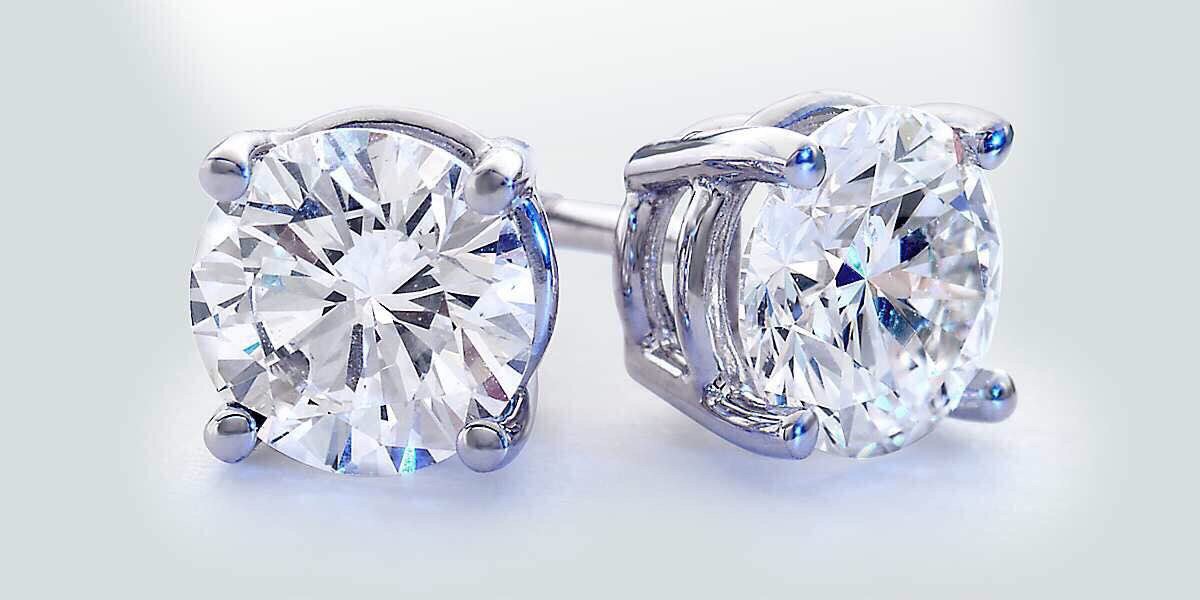
When people think of precious stones, diamonds often come to mind first. They are symbols of love, commitment, and luxury. For many in Pakistan, buying a diamond is not just a purchase; it is an investment and a way to preserve wealth. However, if you have ever looked at the jewelry market closely, you might have noticed that the prices do not stay the same. One day the price might be stable, and the next week it could go up significantly. This leads to a very common question: why does the diamond rate in Pakistan change so often?
Understanding these changes is important for anyone looking to buy or sell jewelry. It is not just about the stone itself but about a complex mix of local and international factors. In this article, we will break down the main reasons behind these fluctuations in simple terms, so you can make better decisions when you are ready to make a purchase.
1. The Global Market Influence
The first and perhaps most significant factor is the international market. Diamonds are not mined in Pakistan on a commercial scale. This means that almost all the diamonds available in local jewelry shops are imported from other countries. Because of this, the local market is heavily tied to global trends.
When the price of rough diamonds goes up in international trading hubs like Belgium, Dubai, or India, the cost of importing them into Pakistan increases. These international prices depend on mining costs, availability of stones, and global demand. If a major mine in Africa slows down production, the supply drops, and prices worldwide go up. This global shift immediately affects the diamond rate in Pakistan.
Additionally, international organizations and large mining companies often control the supply of diamonds released into the market to keep prices stable or high. When they decide to release fewer stones, the scarcity makes them more expensive. Pakistani jewelers have to pay these higher rates to get stock, which means the final price for the customer goes up as well.
2. Currency Exchange Rates
Since diamonds are imported, they are bought using foreign currency, usually the US Dollar. This makes the exchange rate between the Pakistani Rupee (PKR) and the US Dollar a critical factor.
Over the past few years, the value of the Rupee has fluctuated quite a bit. When the Rupee becomes weaker against the Dollar, it costs more Rupees to buy the same amount of Dollars. Because importers pay for diamonds in Dollars, a weaker Rupee means the cost of importing the stones skyrockets. Even if the global price of the diamond hasn’t changed a single cent, the price in Pakistan will jump simply because the currency is weaker.
This is often why you see immediate price hikes in luxury goods whenever the Dollar rate goes up. Jewelers have to adjust their prices to ensure they can afford to buy new stock in the future. Therefore, the instability of the currency is a direct driver of the changing diamond rate in Pakistan.
3. Supply and Demand Dynamics
The basic economic rule of supply and demand applies to diamonds just as it does to vegetables or fuel. In Pakistan, the demand for diamond jewelry is not constant throughout the year. It changes based on seasons and cultural events.
Wedding season is a prime example. In Pakistan, weddings are huge celebrations, and jewelry is a central part of these events. During the peak wedding months, thousands of families are looking to buy engagement rings, necklaces, and bridal sets. This sudden surge in demand puts pressure on the available stock. When many people want to buy the same thing, sellers can charge a premium, and the prices naturally rise.
Conversely, during months when there are fewer weddings or religious observations where celebrations are paused, the demand drops. During these times, you might find that prices stabilize or that jewelers are more willing to offer discounts to make a sale. Keeping an eye on these seasonal trends can help you understand the movement of the diamond rate in Pakistan.
4. Inflation and Local Economic Conditions
Inflation is a general increase in prices and a fall in the purchasing value of money. Pakistan has faced periods of high inflation, which affects every sector of the economy, including the luxury market.
When inflation is high, the cost of doing business increases for jewelers. They have to pay more for rent, electricity, security, and skilled labor. To maintain their profit margins and cover these rising operational costs, they have to increase the price of their jewelry.
Furthermore, during tough economic times, investors often look for safe places to put their money. While gold is the traditional “safe haven,” high-quality diamonds also serve as a hedge against inflation for wealthy investors. If more investors start buying diamonds to protect their wealth from a falling currency, the increased demand can drive prices up further. The overall health of the economy plays a subtle but powerful role in determining the diamond rate in Pakistan.
5. Import Duties and Taxes
Government policies have a direct impact on the final price of any imported good. The government of Pakistan levies various taxes and duties on luxury items to manage the trade deficit and generate revenue.
When the government increases customs duties, regulatory duties, or sales tax on imported jewelry and precious stones, the cost for importers rises instantly. These costs are always passed down to the consumer. For instance, if the import duty on diamonds is increased by 5%, you can expect the retail price in the shops to go up by at least that much, if not more.
Frequent changes in tax laws or import regulations create uncertainty in the market. Importers might hold back stock or increase prices preemptively to protect themselves against future policy changes. This administrative side of things is a key reason why the diamond rate in Pakistan can seem volatile.
6. The “4 Cs” and Quality Variations
While the factors mentioned above are external, the price also changes based on the specific qualities of the diamond itself. If you are comparing prices, you must understand that not all diamonds are the same. The price is determined by the “4 Cs”: Cut, Color, Clarity, and Carat.
- Carat: This is the weight of the diamond. Heavier stones are rarer and cost much more per carat than lighter ones.
- Cut: This refers to how well the diamond has been shaped and faceted. A high-quality cut reflects light better and sparkles more, commanding a higher price.
- Color: The most valuable diamonds are colorless. As you go down the scale and see slight yellow or brown tints, the value decreases.
- Clarity: This measures the internal flaws or “inclusions.” Flawless diamonds are incredibly rare and expensive.
Sometimes, a buyer might think the rate has dropped because they see a cheaper diamond, but it might just be a stone of lower clarity or color. True market fluctuations refer to changes in the price of a diamond with the exact same specifications. When jewelers quote the diamond rate in Pakistan, they are usually referring to a baseline quality, but individual stone prices will always vary based on these 4 Cs.
7. The Role of Certification
Certification plays a huge role in pricing. A diamond that comes with a certificate from a renowned international laboratory is often more expensive than a non-certified stone. This is because the certificate guarantees the quality of the stone.
In Pakistan, awareness about certification is growing. As more buyers demand certified stones to ensure they are getting what they pay for, the market shifts towards these verified products. Certified diamonds have a more standardized price globally. If the local market relies more on uncertified stones, prices can be more random and vary from shop to shop. However, as the market standardizes, the pricing becomes more linked to international lists, making the diamond rate in Pakistan more predictable but also strictly tied to the Dollar.
8. Labor and Making Charges
We often forget that we are not just buying a raw stone; we are buying a piece of art. The raw diamond must be cut, polished, and set into metal (usually gold or platinum).
Pakistan has a rich tradition of skilled craftsmanship. However, the cost of this skilled labor is rising. As the cost of living goes up, artisans demand higher wages. The “making charges” or labor costs associated with creating intricate jewelry designs are added to the final price.
If you are buying a simple solitaire ring, the labor cost might be low. But if you are purchasing an intricate necklace with dozens of small diamonds set in a complex pattern, a significant portion of the price is for the labor. Fluctuations in labor costs contribute to the overall increase in jewelry prices over time, influencing the perceived diamond rate in Pakistan.
9. The Gold Market Connection
Diamonds are rarely sold loose; they are almost always set in gold. Therefore, the price of diamond jewelry is inherently linked to the price of gold.
Gold rates fluctuate daily based on international trading. When gold prices soar, the overall cost of a diamond ring or necklace increases, even if the diamond price itself is stable. For the average consumer, the “price of the ring” is the total cost. If gold hits an all-time high, customers feel that diamond jewelry has become more expensive. It is impossible to separate the two completely when discussing the retail market. The combined movement of gold and stone prices creates the final figure you see on the price tag, affecting the effective diamond rate in Pakistan.
10. Speculation and Market Sentiment
Finally, markets are driven by human behavior. Speculation can sometimes drive prices up or down artificially. If there are rumors that the government is about to ban luxury imports or that the currency is about to crash, people might panic-buy, driving prices up.
Similarly, if the market sentiment is poor and people are worried about a recession, they stop buying luxury items. Sellers might lower prices to encourage spending. This psychological aspect of the market is hard to measure but is very real. The collective feeling of buyers and sellers about where the economy is heading helps set the daily tone for the diamond rate in Pakistan.
To read more Blogs: Click Here
Conclusion
The price of a diamond is never just about a stone in a display case. It is the result of a long chain of events starting from a mine in a distant country, traveling through international trading hubs, navigating currency exchanges, passing through customs, and finally being shaped by local artisans.
For buyers in Pakistan, the most critical factors to watch are the value of the Rupee against the Dollar and the current wedding season demand. These two elements tend to have the most immediate impact on local prices. While you cannot control global markets or government taxes, understanding these factors can help you time your purchase better.